What if WWDC 2026 matters most if Apple does less performing and more finishing?
Is Apple brave enough to make OS 27 boring in the right places?
Apple’s quiet pivot to iOS 27 and the iPadOS 26.6 beta should be judged less by whether they produce another keynote-ready spectacle and more by whether they close obvious gaps across iPhone, iPad, Mac, and Apple Watch.
That is the sharper read on Zac Hall’s WWDC wish list at 9to5Mac . His asks are not wild: Health on Mac, Apple Wallet as a real iPad and Mac app, iPhone Mirroring on iPad, iPad Mirroring on Mac, better Journal syncing, a Liquid Glass toggle on Apple Watch, and fewer training wheels in iPad windowing.
My thesis: this is exactly where Apple should spend political capital at WWDC 2026. Not because Apple’s iOS 27 Siri redesign and the AI debate in Silicon Valley do not matter. It does. But because Apple’s advantage has never been one feature in isolation. It is the feeling that the device in front of you is the right one for the task.
Right now, too many Apple apps still answer: “Not this device.”
Why is Health still outside the Mac?
Health on Mac is the easiest win on Hall’s list because Apple already made the philosophical move when it brought the Health app to iPad two years ago.
The argument for Mac is not novelty. It is scale. Health data becomes more useful when users can review it without pinching, swiping, and bouncing between cramped panels. The iPad version already proves the big-screen case. The Mac should finish it.
A Mac Health app should not merely mirror the iPhone layout. It should make long-term review easier, with richer charts, better comparison views, export controls, and clear privacy settings. That is analysis, not a rumor. But it follows directly from the product gap: if Apple wants Health data to feel serious, the Mac is the serious workspace.
Hall’s point is blunt: “It’s great having access to all the data on the big screen.” The next logical screen is macOS.
| OS 27 wish | Current gap described in source | Why it matters |
|---|---|---|
| Health for Mac | Health came to iPad, not Mac | Big-screen review should not stop at iPad |
| Wallet for iPad and Mac | Wallet lives inside Settings there | Managing Wallet should feel like using an app |
| iPhone Mirroring on iPad | Mac has it; iPad does not | iPad misses a useful Continuity trick |
| iPad Mirroring on Mac | Not available | Continuity still has unfinished edges |
| Journal upgrades | Mac lacks some iPhone/iPad suggestions | Same app, uneven experience |
If Wallet matters on iPhone, why is it still buried elsewhere?
Wallet is too central to feel like a platform afterthought outside the iPhone.
Hall’s ask is specific: Apple should move Wallet from Settings to a proper app on iPadOS and macOS. That matters because Apple has already shown this migration can work. The source points to Passwords, which moved from Settings into a dedicated app on iPadOS and macOS.
That precedent is the whole case. If Passwords deserved an app because the job outgrew a settings pane, Wallet can make the same argument.
This is not a demand that every Wallet function behave identically on every device. Apple can still restrict sensitive actions, require authentication, and limit presentation modes. But management is different from presentation. Users should be able to organize, inspect, and maintain Wallet content from the larger Apple screens they already use for planning.
The iPhone can remain the primary pocket device. The Mac and iPad can still stop pretending Wallet is just a preference.
How many device bridges does Apple need before it admits users want portals?
Apple’s Continuity story is strong enough that its omissions now stand out more sharply.
Hall praises iPhone Mirroring on Mac as “surprisingly useful” for accessing and controlling iPhone apps that are not on the Mac, including Health. Then he says he misses it on iPad. That is the kind of sentence Apple should hate to read. It means the feature works — just not where a user expects it next.
He goes further on iPad Mirroring for Mac:
“Every Apple device deserves a portal into other Apple devices.”
That line gets at the OS 27 opportunity better than any AI slogan. Apple does not need to collapse all operating systems into one. It needs to make the boundaries feel intentional rather than arbitrary.
The same applies to iPadOS 26 windowing. Hall says Apple “greatly expanded” the system by embracing floating windows, but argues it still has “training wheels.” He thinks the limit is 12 app windows at a time, and says he can easily keep more than that open on Mac.
That is not a niche complaint. It is the exact pain Apple invites when it sells the iPad as more computer-like, then makes users monitor which windows disappear.
Can Apple fix the apps people already open every day?
The most underrated part of Hall’s list is Journal.
The app started on iPhone, then came to iPadOS and macOS last year, according to the source. But the Mac version still lacks many of the content suggestions found on iPhone and iPad. Hall also wants Journal sync to perform “as instantly as Apple Notes.”
That is the right standard. Not because Journal is more important than every other app, but because inconsistent first-party apps corrode trust. If Apple ships an app across platforms, users should not have to memorize which version is the real one.
This is where OS 27 can do more than add features. It can tighten the default experience.
- Journal: Bring Mac suggestions closer to iPhone and iPad.
- Notes-level sync: Make Journal feel immediate, not laggy.
- Wallet: Follow the Passwords path from Settings to standalone app.
- iPad windows: Remove limits that make “laptop mode” feel conditional.
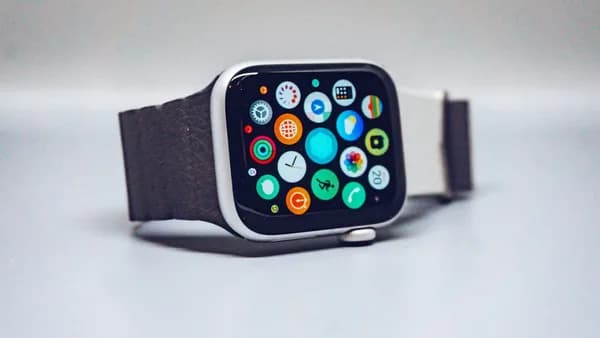
- Apple Watch Liquid Glass: Give users the appearance toggle Hall wants, especially for notifications.
This is also a different conversation from maintenance updates like iOS 26.5.1 Signals Apple’s Pre-WWDC iPhone Patch Rush. Patches keep the machine stable. OS 27 should make the machine feel complete.
Can Apple talk about AI without turning WWDC into theater?
The strongest counterargument is obvious: WWDC is a developer conference. Apple will be judged on APIs, platform direction, and AI. It cannot walk onstage on June 8 and talk only about app parity.
Fair. The keynote will unveil iOS 27, macOS 27, and more, per 9to5Mac. Apple also operates in a market where every major platform vendor is under pressure to show credible AI progress. Ignoring that would look evasive.
But AI should be embedded into useful OS repairs, not bolted on as a separate fireworks show.
If Apple wants intelligence to matter, put it where users already feel friction: Journal suggestions that are consistent on Mac, Health views that help users understand their own data, Shortcuts-style automation that actually fits daily routines, and Continuity features that know which device should take over without making the user babysit the handoff.
That is the version of AI worth caring about. MLXIO has made a similar distinction in coverage such as Apple Accessibility AI Turns Silent Videos Into Captions: the compelling part is not the label “AI,” but the specific task it improves.
Will OS 27 make every Apple screen feel equally capable?
The best WWDC 2026 promise would be simple: stop making users ask which Apple device is allowed to do the job.
Health should not be bigger only on iPad. Wallet should not be a full app only on iPhone. Journal should not feel more complete on one screen than another. iPad windowing should not get close to Mac behavior and then flinch. Apple Watch design should offer enough control that notifications do not feel visually wrong to users who notice.
Apple does not need OS 27 to be louder. It needs OS 27 to feel finished.
That is the bar to watch on June 8: not how many new features Apple names, but how many old gaps it finally closes.
Key Takeaways
- The article argues Apple’s next software cycle should prioritize finishing ecosystem gaps over chasing keynote spectacle.
- Bringing core apps like Health and Wallet to more devices would make Apple’s hardware feel more cohesive.
- The biggest opportunity for OS 27 may be improving everyday workflows across iPhone, iPad, Mac, and Apple Watch.