On Tuesday, June 30, 2026, American Express made Membership Rewards spendable inside Apple Pay checkout, turning points from an account-management asset into something cardholders can burn at the moment of purchase.
The feature is live “starting today,” according to 9to5Mac , and it matters because the redemption prompt now appears where the payment decision happens. Not in a separate rewards portal. Not after the transaction. Inside the Apple Pay flow.
June 30 puts Amex points directly inside Apple Pay checkout
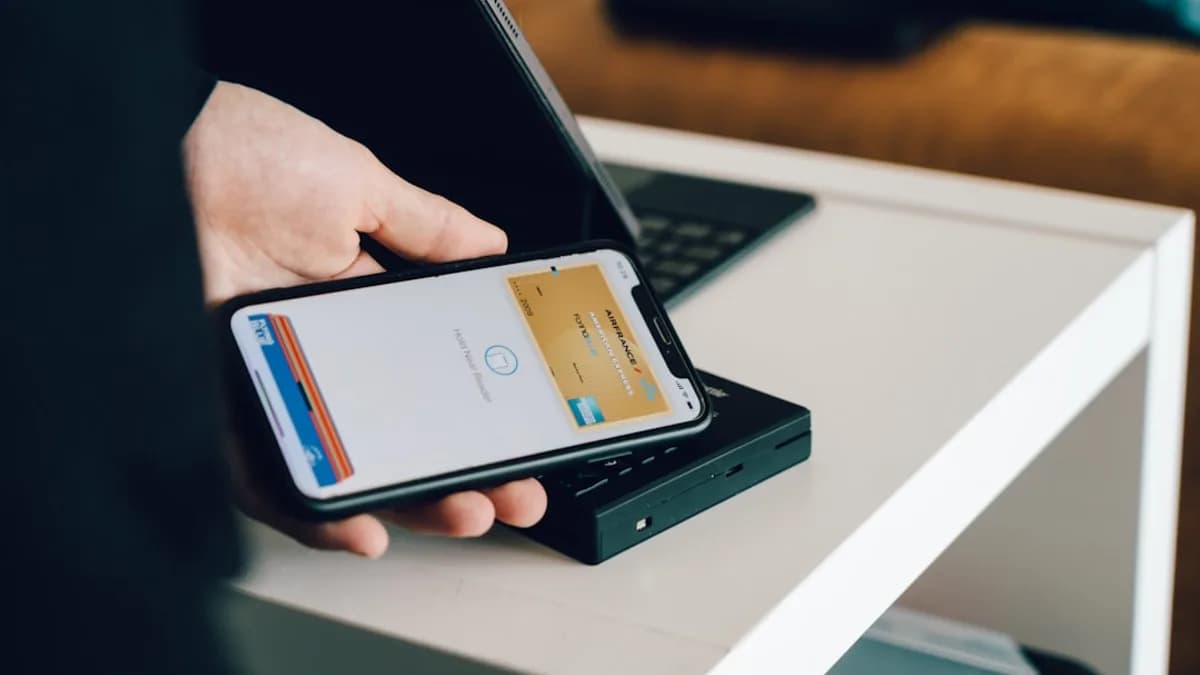
Eligible American Express Membership Rewards cardholders can now select “Use Rewards” when checking out with Apple Pay. The source material describes the process for shopping online or in apps on iPhone or iPad: choose Apple Pay, select an eligible Amex Membership Rewards card, tap Use Rewards, enter the amount to apply, then complete the transaction.
American Express framed the change as a friction cut:
“Eligible Card Members can apply Membership Rewards points directly within the existing online or in apps Apple Pay payment experience — without needing to leave checkout, open another app or complete additional redemption steps.”
The key product shift is not that Amex invented a new rewards currency. It is that it moved redemption closer to the payment button. That changes the user’s mental model. Points stop being something checked later and become an immediate discount-like option before the charge lands.
There is also a privacy detail in the 9to5Mac report: when a user redeems Membership Rewards points through Apple Pay, Apple does not retain any transaction information linked to the user. That line is important because the integration gives Apple Pay more utility without, based on the source, giving Apple linked transaction data from those point redemptions.
The checkout math starts with 0.7 cents per point
The convenience is clear. The value trade-off is just as clear.
The Points Guy reports that American Express values Membership Rewards points redeemed through Apple Pay at 0.7 cents apiece, meaning 10,000 points can be redeemed for $70 according to The Points Guy. TPG also states that its June 2026 valuations peg Membership Rewards at 2 cents each when transferred to airline and hotel partners.
That makes Apple Pay redemption a liquidity feature, not a maximum-value strategy.
Using the reported 0.7 cents per point rate, the implied point cost looks like this:
| Apple Pay purchase amount | Points needed at 0.7 cents each |
|---|---|
| $25 | About 3,572 points |
| $50 | About 7,143 points |
| $100 | About 14,286 points |
Those are derived figures, not separate Amex disclosures. The source material does not provide a minimum redemption threshold. It also does not list all eligible purchases or merchants. The disclosed flow says eligible cardholders can apply points toward all or part of an eligible purchase.
Eligible cards listed by The Points Guy include:
- American Express® Business Gold Card
- American Express® Gold Card
- American Express Green Card®
- American Express Platinum Card®
- The Blue Business® Plus Credit Card from American Express
- Business Green Rewards Card from American Express
- The Business Platinum Card® from American Express
For cardholders who treat Membership Rewards as a travel-transfer currency, Apple Pay is likely the lower-value path. For cardholders who want instant cash-flow relief on a purchase, the math may still be acceptable.
Amex’s immediate win is visibility before the transaction closes
MLXIO analysis: the strategic value for American Express is placement. A rewards balance that appears during checkout is more actionable than one buried in an app or statement. The user does not have to remember the balance, open another product, or plan a redemption later.
That matters because payments are often decided in seconds. If a cardholder sees points available inside Apple Pay, the eligible Amex card becomes more than a funding source. It becomes the card with an embedded offset.
The sources do not quantify whether this will increase Amex transaction volume, reduce unused rewards balances, or change cardholder behavior. Those claims would require data Amex has not provided in the supplied material. But the design points in that direction: fewer steps usually means more usage, and the prompt appears exactly when the user is choosing how to pay.
This is also why the feature should not be read as a pure consumer perk. It is a checkout-positioning move. Amex gets a more visible role inside Apple Pay; Apple Pay gets a new reason for Amex users to keep transacting through its interface.
Apple Pay gains utility without becoming the rewards issuer
For Apple Pay, the integration adds another function to the checkout layer without forcing Apple to run the rewards program itself. American Express owns the points. Apple supplies the payment interface. The user sees one flow.
9to5Mac notes that Apple Pay UI changes are coming in iOS 27 to make it easier to update payment methods. That detail gives the timing extra weight. If the wallet interface is becoming easier to manage, then payment choice inside Apple Pay becomes more competitive. Rewards visibility can influence which card gets selected.
This is different from an Apple discount or hardware promotion. MLXIO has covered purchase-price dynamics elsewhere, including $350 iPad Air Cut Turns Apple Deals Into a Clock Game and Apple Deals Slash AirPods 4 to $99, M5 iPad Pro $350 Off. The Amex feature works on the payment side instead. It does not change the sticker price. It changes how a cardholder can fund the transaction.
The distinction matters. Discounts compete at the product level. Pay-with-points competes at the checkout level.
Cardholders get speed, but not necessarily the strongest redemption
For cardholders, the upside is simple: fewer steps and immediate application of points. The feature supports partial redemptions, so a user can apply points to a portion of a purchase rather than emptying a balance.
The trade-off is value. At 0.7 cents per point, Apple Pay redemptions trail TPG’s 2-cent valuation for partner transfers. A user redeeming 10,000 points through Apple Pay gets $70. TPG’s valuation implies those same points may be worth more through airline or hotel transfers, depending on the redemption.
For merchants, the supplied sources do not provide evidence of lower abandonment, higher conversion, or changed basket sizes. It is reasonable to say the checkout experience becomes more flexible for eligible Amex users, especially online and in apps, but the sources do not prove merchant-level effects.
For Apple and Amex, the gains are clearer at the interface level. Apple Pay becomes more useful. Amex makes Membership Rewards easier to spend. Neither source says whether Apple receives new economics from this specific feature, so that part remains unknown.
The next test is whether convenience beats cents-per-point discipline
The next decision point sits with users, not regulators or merchants: whether they treat Use Rewards as a convenience button or a default redemption habit.
Evidence that would strengthen the strategic case for Amex and Apple would include broader eligible-card coverage, clearer in-checkout disclosure of redemption value, more visible point balances in Apple Pay, or similar integrations from other rewards issuers. Evidence that would weaken it would be low user adoption or cardholders rejecting the 0.7 cents per point rate in favor of transfer partners.
For now, the practical read is blunt: Apple Pay with Amex points is useful when speed matters more than optimization. If the goal is maximum Membership Rewards value, compare the redemption before tapping points at checkout.
Disclaimer: This MLXIO analysis is for informational and educational purposes only. It is not financial, investment, legal, tax, or professional advice. It does not provide buy, sell, hold, price-target, portfolio, or personalized recommendations. Verify information independently and consult qualified professionals before making decisions.
Why It Matters
- Amex cardholders can now use Membership Rewards points at the exact moment they decide to pay.
- Embedding rewards inside Apple Pay reduces checkout friction and may increase point redemptions.
- Apple Pay gains more utility while Apple reportedly does not retain transaction information linked to the user.