Apple’s passport-based Digital ID was expected to be a TSA convenience first. It is now starting to matter inside the iPhone itself.
The feature, launched in Apple Wallet last fall, can now be used to confirm that a user is an adult when creating a new Apple Account or using certain Apple services, according to 9to5Mac. That shifts Digital ID from “show it at the airport” toward something more consequential: proving eligibility without handing another service a full scan of your passport or driver’s license.
Apple promised travel ID first, but age checks arrived next
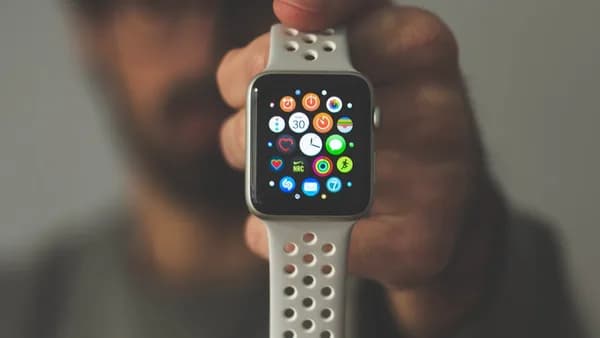
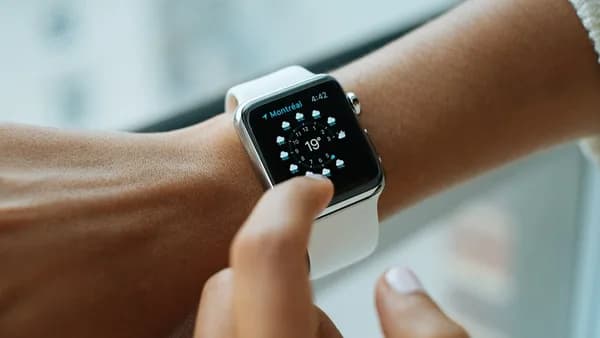
Apple’s original pitch was narrow and practical. Digital ID lets users create an ID in Apple Wallet using information from a U.S. passport, then present it with an iPhone or Apple Watch.
At launch, Apple said acceptance would roll out first in beta at TSA checkpoints at more than 250 airports in the U.S. for domestic travel, according to Apple. Apple also warned that Digital ID is not a replacement for a physical passport and cannot be used for international travel or border crossings instead of a U.S. passport.
The new piece is Apple’s own age-verification flow. A recent Apple support document cited by 9to5Mac says users may be asked to confirm they are an adult when:
- Creating a new Apple Account
- Updating device software
- Changing certain safety settings
- Downloading or purchasing apps with an 18+ age rating
The key line is blunt:
“Regardless of your country or region, Digital ID in Apple Wallet created using a U.S. passport can also be used to confirm that you’re an adult.”
That does not mean Digital ID suddenly works everywhere. It means Apple now officially accepts it for select Apple Account and Apple services age checks.
Passport-based Digital ID fills the gap left by slow state ID rollouts
Apple Wallet has supported driver’s licenses and state IDs for years, but that model depends on individual jurisdictions joining in. Apple said the ability to add a driver’s license or state ID to Wallet is live in 12 states and Puerto Rico.
Digital ID works differently. Instead of waiting for a user’s state to support Wallet IDs, Apple lets eligible users create a Wallet credential from a U.S. passport.
That matters because the two Wallet ID models solve different bottlenecks:
| Wallet credential | Source document | Main limitation from the supplied sources | Current noted uses |
|---|---|---|---|
| Driver’s license or state ID in Wallet | Participating state or territory ID | Depends on state or territory support | TSA checkpoints and participating locations |
| Digital ID | U.S. passport | Not a passport replacement; no international travel or border crossing use | TSA at more than 250 U.S. airports in beta; select Apple Account/services adult confirmation |
The practical distinction is simple. A state Wallet ID expands only as states participate. Digital ID can reach passport holders even when their state has not enabled Wallet IDs.
That does not make it universal. It makes it a workaround for one of Apple Wallet’s biggest identity adoption constraints.
For iPhone users tracking Apple’s broader software changes, this sits in the same practical category as smaller iOS shifts we have covered, including iOS 26.6 exposing Apple’s blocked contacts cap and iOS 26.6 beta signaling Apple’s quiet pivot to iOS 27: not flashy hardware, but rules and defaults that change how the device behaves in sensitive moments.
Age verification is useful only if Wallet shares less than the full ID
The real value of Digital ID is not that it digitizes a document. It is that Apple says the user can review the specific information being requested before sharing it.
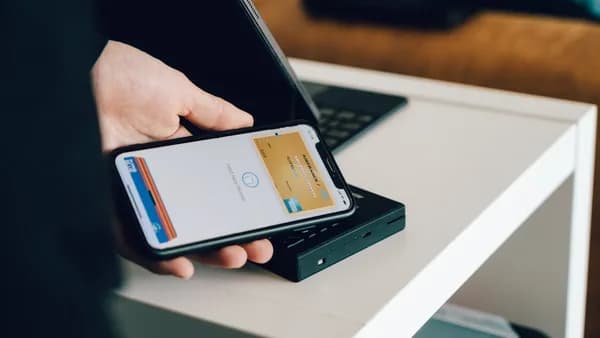
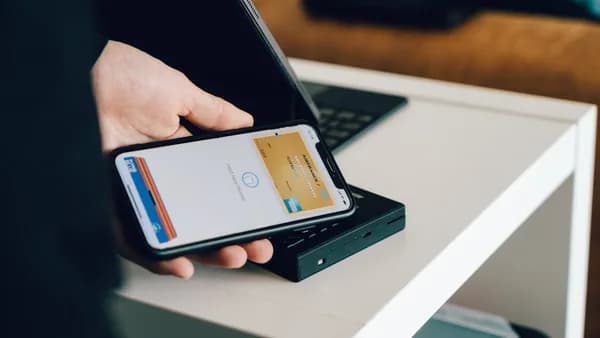
Apple’s setup and presentation model works like this for in-person Digital ID use: the user selects the credential in Wallet, holds the iPhone or Apple Watch near an identity reader, reviews what information is requested, then authenticates with Face ID or Touch ID.
For age checks, the privacy logic is obvious. In many situations, the requester does not need a home address, full document number, or full passport data. It needs to know whether the user meets an age threshold.
That creates a sharp before-and-after:
- Before: A user may have to show or upload a broader identity document, depending on the service and verification method.
- After: Where Apple supports the flow, a user can confirm adult status through Digital ID in Wallet.
- Still true: Digital ID does not eliminate data sharing. The user still has to review the prompt and decide whether to approve it.
- Still limited: The current confirmed expansion is Apple Account and Apple services age verification, not every app, website, venue, or purchase.
This is where the feature becomes more than a travel shortcut. A Digital ID age check can reduce the amount of sensitive information exposed during routine eligibility checks — but only when the requester accepts Apple’s method and asks for a narrow attribute.
Apple’s current expansion is narrower than the phrase “age verification” sounds
The phrase “age verification” can make this sound broader than it is. The supplied source does not show that every age-restricted app, website, retailer, or venue can now accept Apple Wallet Digital ID.
The confirmed expansion is inside Apple’s own account and service flows. Apple may ask users to confirm adult status when creating an Apple Account, updating software, changing certain safety settings, or downloading or purchasing 18+ apps. Digital ID created from a U.S. passport is now one supported method for that confirmation.
Apple previously said future Digital ID use cases would include identity and age verification “in person, in apps, and online” at additional select businesses and organizations. That future expansion is still the bigger prize. It is also the part readers should not assume has already arrived.
The gap exists because identity acceptance is not just a Wallet feature. It requires a relying party — Apple, TSA, a business, an app, or another organization — to support the credential and the verification flow.
A realistic iPhone use case: Apple asks, Wallet confirms
The safest concrete example today is Apple’s own flow.
A user tries to create a new Apple Account or download an app with an 18+ age rating. Apple asks the user to confirm adult status. If the user has a Digital ID in Apple Wallet created from a U.S. passport, that credential can serve as the age verification method.
That is meaningfully different from the older document-heavy pattern many users know elsewhere: upload a photo of an ID, wait for review, and trust another party to secure or delete the image later.
Apple’s model does not mean the user shares nothing. It means the approval happens through Wallet, with the user reviewing what is requested and authenticating through Face ID or Touch ID.
For businesses and apps, the future version of this could reduce direct handling of sensitive document images. For users, the benefit is narrower but immediate: where Apple supports it, Digital ID becomes another way to clear an adult-status prompt without offering a separate form of ID.
The next break point is acceptance, not technology
Digital ID’s limits are still the story.
Users need an eligible setup path. Apple’s Digital ID is created using a U.S. passport. During setup, Apple says users scan the passport photo page, read the chip embedded on the back of the passport, take a selfie, and complete facial and head movements for verification. Once verified, the credential is added to Wallet.
Acceptance remains fragmented. TSA support at more than 250 U.S. airports does not make Digital ID a substitute for carrying physical documents. Apple says it is not valid for international travel or border crossings in place of a U.S. passport. The same caution applies to age checks: Apple Account and Apple services support does not mean universal acceptance.
The practical guidance is simple:
- Keep a physical ID available, especially when traveling.
- Read every Wallet prompt before approving what gets shared.
- Assume Digital ID works only where explicitly supported.
- Treat it as a convenience layer, not a full identity replacement.
The next meaningful signal will be whether Apple expands Digital ID age verification beyond its own account and services flows into the “in person, in apps, and online” use cases it previously described. Until then, the feature is useful — but still bounded by where Apple and its partners choose to accept it.
What This Means For You
- Apple is turning Digital ID from a travel convenience into a broader identity layer inside its ecosystem.
- Age verification through Wallet could reduce the need to share full identity documents with services.
- The expansion may make Digital ID more relevant even for users who rarely use it at airports.