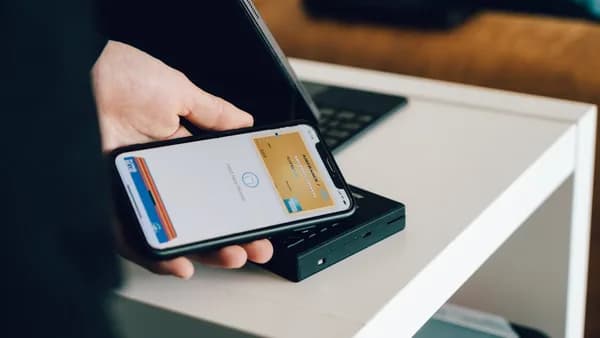
On Tuesday, Apple previewed a new wave of accessibility features that pushes on-device AI processing deeper into iPhone, iPad, Mac, Apple TV and Apple Vision Pro — including automatic subtitles for videos that do not already have captions.
The features are coming later this year and focus on VoiceOver, Magnifier, Voice Control and Accessibility Reader, according to The Verge. The most immediate shift: Apple will use on-device speech recognition to generate subtitles for uncaptioned video across iPhone, iPad, Mac, Apple TV and Apple Vision Pro.
May 19: Apple moves accessibility AI into system-level tools
Apple’s update is not framed around a standalone chatbot. It is built into features people already use to navigate screens, read documents, identify images, control devices and understand video.
That matters because accessibility tools carry a different burden than novelty AI features. A wrong image description, missed spoken phrase or misread interface element can block a user from doing something basic.
Apple said in its own May 19 announcement that the updates are powered by Apple Intelligence and are “coming later this year.” The company also emphasized privacy, saying generated subtitles will use on-device speech recognition rather than sending audio to the cloud for processing.
“Now, with Apple Intelligence, we are bringing powerful new capabilities into our accessibility features while maintaining our foundational commitment to privacy by design,” Apple CEO Tim Cook said in the company’s announcement.
The generated subtitles feature will apply when captions or subtitles are not already provided. Apple says it can work for clips recorded on iPhone, videos received from friends and family, and streamed online content. Users will be able to customize subtitle appearance in the playback menu or Settings.
For readers tracking Apple’s wider platform cycle, this accessibility preview sits alongside separate MLXIO coverage of WWDC 2026 OS fixes, iOS 26.5.1 and Apple’s pre-WWDC iPhone patch rush and watchOS 27 Apple Watch sensors. It also intersects with the hardware side of Apple’s device strategy, which MLXIO has covered through reports like All-Screen iPhone Could Make iPhone 18 Pro a $1,000 Trap and Dark Cherry iPhone 18 Pro.
VoiceOver, Magnifier and Reader get more Apple Intelligence processing
The biggest AI expansion inside VoiceOver is coming to Image Explorer, which will use Apple Intelligence to produce more detailed descriptions of images across the system. Apple says this can include photographs, scanned bills, personal records and other visual material.
The caveat is important. The Verge notes Apple includes a warning that AI-generated image descriptions should not be relied on in risky or potentially dangerous situations. That warning cuts to the core reliability issue around AI accessibility tools: the output may be useful, but it cannot be treated as guaranteed truth in high-stakes contexts.
Apple is also updating Live Recognition so VoiceOver users can press the Action button on iPhone to ask a question about what appears in the camera viewfinder. Follow-up questions can be asked in natural language.
Magnifier gets a similar assistive exploration layer, with visual description in a high-contrast interface designed for users with low vision. Apple says users will also be able to control Magnifier with spoken requests such as “zoom in” or “turn on flashlight.”
| Feature | New AI-powered capability | Platform or device details from Apple |
|---|---|---|
| Generated subtitles | On-device speech recognition for uncaptioned video | iPhone, iPad, Mac, Apple TV, Apple Vision Pro |
| VoiceOver Image Explorer | More detailed image descriptions | Systemwide image exploration |
| Live Recognition | Ask questions about the camera view | Action button on iPhone |
| Voice Control | Natural language navigation | iPhone and iPad |
| Accessibility Reader | Summaries, translation and support for complex layouts | Scientific articles, columns, images and tables |
Voice Control is getting natural language navigation. Instead of memorizing exact labels or numbers, users will be able to describe onscreen buttons and controls in their own words. Apple gives examples such as “tap the guide about best restaurants” or “tap the purple folder.”
That change could be especially useful when apps have visual layouts or poorly labeled interface elements. Apple specifically names Apple Maps and Files as examples of apps where natural language navigation may help.
Accessibility Reader is also expanding. Apple says it will handle more complex source material, including scientific articles with multiple columns, images and tables. The feature will add on-demand summaries and built-in translation while retaining custom formatting, font and colors.
Vision Pro becomes a bigger accessibility test bed
Apple’s accessibility update gives Vision Pro a prominent role, beyond generated subtitles.
The headset will be able to connect its eye-tracking system to compatible power wheelchair drive systems, including Tolt and LUCI in the US. Apple says connections can work via Bluetooth or through a hardwired setup using the Developer Strap.
That is one of the more consequential Vision Pro updates in this batch. Eye tracking is already central to how the headset works. Extending it to wheelchair control moves the device from interface hardware into mobility support, where reliability and compatibility will matter as much as interface design.
Apple is also adding Vehicle Motion Cues to Vision Pro. The feature is meant to reduce motion sickness when someone uses Apple’s $3,499 headset in a moving vehicle.
Not every update is AI-driven. Apple is making the MagSafe-compatible Hikawa Grip & Stand available worldwide through the Apple Store starting Tuesday in three colors. Apple also flagged Larger Text support on tvOS and a new API for bringing sign language interpreters into FaceTime calls.
Later this year, the hard questions move from demos to daily use
The rollout now turns on details Apple has not fully spelled out in the supplied material: supported device lists, language availability, regional timing and whether older hardware will receive the full set of AI-powered accessibility features.
Those details will shape how useful this announcement becomes outside Apple’s preview materials. On-device processing can mean faster responses and stronger privacy, but it can also create hardware boundaries if certain models lack the needed processing headroom.
The reliability test is sharper here than in many AI launches. Users may depend on these tools to understand images, navigate apps, read dense documents, follow videos or interact with physical environments. Apple’s own warning around AI image descriptions signals that the company knows accuracy limits must be visible, not buried.
The practical watch item: when these features arrive later this year, Apple will need to show where Apple Intelligence materially improves access — and where users should still treat AI output as an aid, not an authority.
Why It Matters
- Apple is embedding AI into core accessibility tools rather than treating it as a separate chatbot feature.
- On-device subtitle generation could make uncaptioned videos more usable while limiting audio data sent to the cloud.
- Because accessibility features affect basic device use, Apple’s accuracy and privacy choices carry higher stakes for users.