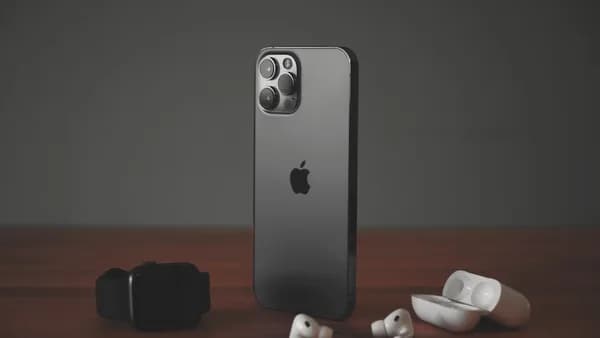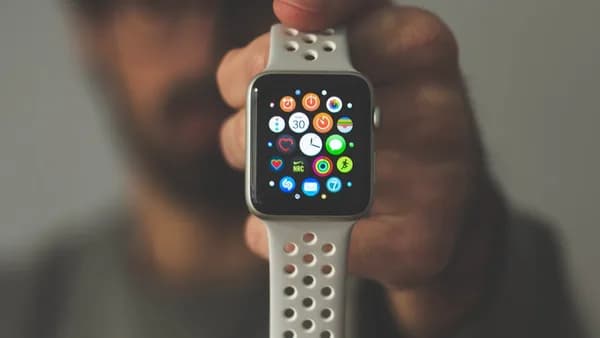
Apple did not simply rename the iPhone Upgrade Program; it widened the upgrade habit from one product line to nearly every major Apple device category.
Apple Upgrade replaces one iPhone plan with a wider leasing relationship
Apple Upgrade is now available in the US as a leasing program for eligible iPhone, iPad, Mac, and Apple Watch models, replacing the decade-old iPhone Upgrade Program, according to Notebookcheck. The shift matters because the old program was built around iPhone installment financing. The new one turns more of Apple’s hardware lineup into a managed lease with upgrade, buyout, or return options at the end.
Apple’s own marketing line captures the direction plainly:
“Love it. Lease it. Upgrade it.”
That is not subtle. The expected move was a refreshed iPhone financing plan. The reality is broader: Apple is applying the upgrade-program logic to tablets, laptops, watches, and phones at once.
The before-and-after is sharp:
- Before: iPhone Upgrade Program, limited to iPhone, tied to a 24-month agreement, with AppleCare+ included.
- After: Apple Upgrade, covering eligible iPhone, iPad, Mac, and Apple Watch models, backed by Klarna, with AppleCare+ sold separately.
- Before: Installment financing.
- After: Leasing, with return, upgrade, or one-time purchase options at the end.
- Before: New enrollments accepted.
- After: Apple has stopped accepting new iPhone Upgrade Program enrollments.
Existing iPhone Upgrade Program members are not forced out immediately. They can keep using their current Citizens Bank agreement until they become eligible for another device. Their existing AppleCare coverage stays active until the original 24-month agreement expires.
The pricing makes Apple Upgrade an affordability pitch, not just an upgrade pitch
The headline number is low by Apple standards: monthly lease prices start at $11.99. Notebookcheck reports starting prices of $17.99 for iPhone, $11.99 for Apple Watch and iPad, and $24.99 for Mac lease options. TechCrunch separately reports the same starting points for iPhone, Apple Watch, and Mac, while listing iPad from $11.99 per month.
The lease terms vary by device:
| Product category | Apple Upgrade lease terms | Starting monthly payment |
|---|---|---|
| iPhone | 12 or 24 months | $17.99 |
| Apple Watch | 12 or 24 months | $11.99 |
| iPad | 24 or 36 months | $11.99 per Notebookcheck / TechCrunch |
| Mac | 24 or 36 months | $24.99 |
The strategic signal is not hard to read. Apple is making the monthly payment the first comparison point. A buyer who hesitates at a full device price may react differently to a lease number that starts near a streaming-service bill. That does not make the device cheaper in total. It changes the decision frame.
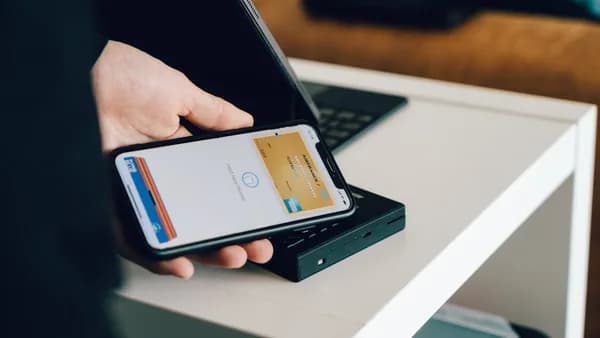
Customers can also trade in an eligible device before starting a lease to lower monthly payments. 9to5Mac reports that Apple Upgrade is integrated into Apple’s checkout flow and that trade-ins can include Apple devices and Android phones.
This is where the consumer math gets more demanding. The sources confirm the starting prices, lease terms, trade-in option, and end-of-lease choices. They do not give every buyer’s total cost across configurations, return condition rules, or residual-value assumptions. For anyone comparing Apple Upgrade with paying in full, Apple Card Monthly Installments, carrier financing, or another option, the key number is not only the monthly payment. It is the total cost to keep, upgrade, or walk away.
Klarna moves Apple’s hardware checkout deeper into consumer credit
Klarna backs Apple Upgrade and manages payments and billing through the Klarna app. Customers complete a soft credit check before choosing an eligible device and lease term. 9to5Mac says the soft check does not affect the customer’s credit score.
That arrangement puts a fintech layer inside Apple’s hardware purchase path. Apple still controls the retail surface: its website, app, and stores. Klarna handles the payment schedule, approvals, due dates, and related lease details.
The distinction matters. A lease is not ownership unless the customer later buys the device. At the end of the lease, users can:
- Upgrade: Move to a newer eligible device.
- Buy: Purchase the leased product with a one-time payment.
- Return: Give the device back and exit the program.
9to5Mac adds that customers can buy out the device by paying the difference between payments already made and the list price. It also reports there are no other fees or interest of any type, and that missed payments roll into the next month without late fees, though missing three consecutive payments ends the lease agreement and requires paying the full outstanding balance.
MLXIO analysis: the Klarna partnership lets Apple present leasing as a native Apple checkout option while shifting the visible account-management layer into a consumer-credit app. That can make the transaction feel simple. It also makes lease comprehension more important. Buyers need to know whether they are renting access, building toward ownership, or planning to return the product.
AppleCare+ is no longer baked into the monthly price
One of the biggest practical changes is easy to miss: AppleCare+ is no longer included in the monthly Apple Upgrade payment. Under the old iPhone Upgrade Program, AppleCare+ was part of the package. Under Apple Upgrade, customers who want accidental damage protection or extended coverage must add it separately when starting the lease.
That changes the comparison with the old plan. A lower advertised monthly lease can look cleaner, but protection becomes an add-on decision. For buyers who assume upgrade programs include coverage, this is the detail to check before signing.
This also connects to Apple’s broader movement toward packaging device ownership costs in separate monthly layers. MLXIO recently covered how £16.99 AppleCare One locks UK devices into one bill, and Apple’s device economics also show up in smaller purchase decisions, such as the storage trade-offs discussed in $52 SANDISK Phone Drive Exposes Apple’s Storage Trap. Those are separate products and markets, but they point to the same buyer reality: the sticker price is no longer the only Apple cost people have to compare.
The winners and risks split sharply across Apple, Klarna, customers, and carriers
For customers, the upside is clear: lower upfront cost, predictable payments, trade-in support, and a defined path to upgrade or return. The trade-off is equally clear. Unless they make the one-time purchase at the end, they do not own the device.
For Apple, the benefit is control. Apple Upgrade appears in Apple’s own checkout flow alongside other payment options. When the lease ends, the customer is presented with Apple-defined choices: upgrade, buy, or return. That keeps the next device decision close to Apple’s retail channel.
For Klarna, Apple Upgrade brings payment volume tied to high-profile hardware purchases. The risk side is also visible in the structure: Klarna manages payments and credit approvals, so repayment behavior and lease servicing are central to the model.
For carriers, the picture is narrower but important. 9to5Mac reports that iPhone leases require connecting to AT&T, T-Mobile, or Verizon, with no prepaid plans, while the iPhone is unlocked and users can switch anytime. That means carriers remain part of the activation path, but Apple is offering a direct leasing route that sits beside carrier financing rather than behind it.
The next test is whether buyers treat leasing as convenience or default behavior
Apple Upgrade is currently available only in the US, and Apple has not announced plans to expand it to other markets. That makes the first phase a controlled test of customer appetite, credit performance, lease returns, and upgrade behavior.
The evidence that would strengthen the thesis is straightforward: Apple keeps the program prominent in checkout, expands eligible devices, or adds more markets. Evidence that would weaken it would be equally clear: limited device eligibility, quiet placement in checkout, or no expansion beyond the US.
For now, Apple has made the strategic question harder for buyers and more useful for itself: do you want to own the device, or do you want to keep paying for the next one?
The Bottom Line
- Apple is expanding upgrade-style payments beyond iPhone to nearly its full hardware lineup.
- The shift from financing to leasing changes how customers own, return, or buy out Apple devices.
- Separating AppleCare+ from the plan could affect the total cost for frequent upgraders.