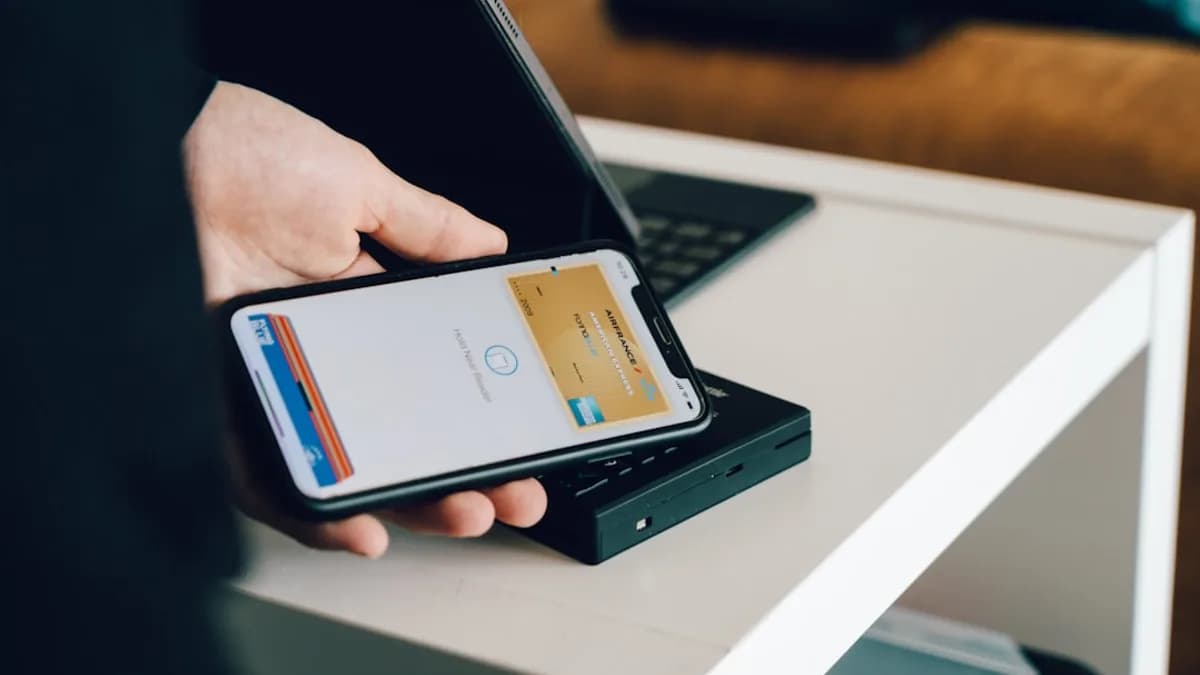
Apple did not announce the end of Apple Card Monthly Installments, but Apple Upgrade already makes the old installment pitch look exposed.
The tension is simple: ACMI still exists, yet Apple’s new leasing program now offers monthly payments across many Apple products, keeps the 3% Daily Cash benefit when paid with Apple Card, and gives customers a path to return, upgrade, or buy the device later, according to 9to5Mac. That overlap raises the real question beneath the product launch: if Apple can sell the monthly-payment experience through a lease, how much does it still need a separate 0% installment feature tied to Apple Card?
Apple Upgrade makes Apple Card installments look suddenly redundant
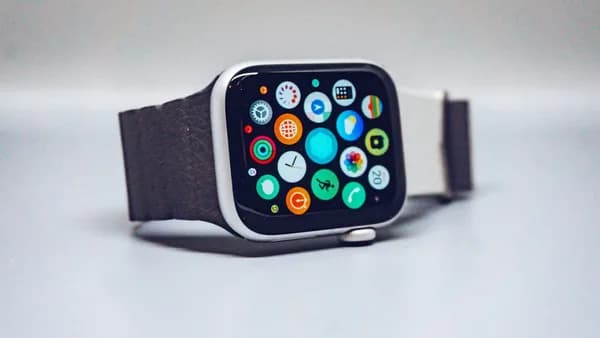
Apple Upgrade replaces the iPhone Upgrade Program entirely and expands the concept beyond the iPhone. TidBITS reports that the new Klarna-backed program lets US customers lease certain models of the iPhone, iPad, Apple Watch, or Mac for a monthly fee, while the 0% APR Apple Card Monthly Installments option remains available.
That last part matters. Apple has not said ACMI is going away. In fact, Apple’s issuer transition page says:
“Apple Card users can continue to purchase Apple products with Apple Card Monthly Installments when they choose to check out with ACMI at Apple Store locations, apple.com, and the Apple Store app.”
The phrase “can continue” is doing a lot of work. It confirms no immediate change. It does not clearly promise permanence after the Apple Card moves from Goldman Sachs to JPMorgan Chase, a transition Apple has said will not take place until early 2028.
For a closer look at the mechanics of the new program, see MLXIO’s related guide to Apple Upgrade turning iPhones, Macs and iPads into leases.
The monthly math now favors leasing for some buyers
The strongest case for ACMI has always been clean: buy an Apple product, split the full price over time, pay 0% APR, and own the device once it is paid off. Apple Upgrade changes that comparison because it reframes the payment as usage first, ownership later.
TidBITS lists the basic lease options:
| Product category | Apple Upgrade lease term |
|---|---|
| iPhone | 12 or 24 months |
| Apple Watch | 12 or 24 months |
| Mac | 24 or 36 months |
| iPad | 24 or 36 months |
Monthly prices range from $11.99 for a basic Apple Watch Series 11 to over $325 for a loaded Mac Studio, according to TidBITS. Longer leases reduce the monthly payment but increase total cost.
The overlap with ACMI is clearest in rewards. Apple Upgrade still earns 3% cash back when paid with Apple Card, matching one of ACMI’s core attractions for Apple loyalists.
The buyout structure also softens the usual lease objection. Apple says customers who want to own the device at the end can purchase it by paying the remaining difference between lease payments already made and list price, adjusted for remaining discounts or trade-in credit. TidBITS quotes Apple’s formula this way:
“the purchase option fee is the list price minus any lease payments you’ve made minus any remaining discounts or trade-in credit.”
That does not make Apple Upgrade identical to ownership financing. It is still a lease. Klarna owns the device during the term. But it means the program is not a pure rental with no ownership path.
Apple moved from financing iPhones to controlling more of the device cycle
The old iPhone Upgrade Program was built around one product and one behavior: regular iPhone upgrades. Digital Trends notes it launched in 2015 alongside the iPhone 6s and iPhone 6s Plus. It used a loan structure through Citizens One, and after 24 payments, customers owned the phone.
Apple Upgrade is different under the hood. It is a lease through Klarna, and it reaches more categories.
The before-and-after is sharper than the branding suggests:
- Before: iPhone Upgrade Program covered iPhone, bundled AppleCare, and ended in ownership after full payment.
- Now: Apple Upgrade covers selected iPhone, iPad, Apple Watch, and Mac models, does not include AppleCare by default, and ends with return, upgrade, or buyout.
- Still available: Apple Card Monthly Installments remains a 0% APR purchase-financing option.
MLXIO analysis: the factual shift is not just “more products.” Apple is creating a broader hardware-payment lane that can handle trade-ins, device returns, upgrades, and end-of-term decisions inside Apple’s retail flow. That does not prove Apple wants leasing to become the default. It does show Apple now has a more flexible alternative sitting beside ACMI.
Apple Card’s best hardware perk now has an internal rival
ACMI gave Apple Card a practical reason to exist beyond rewards. If a customer planned to buy an iPhone, Mac, or iPad from Apple, the card unlocked interest-free monthly payments. That was sticky.
Apple Upgrade weakens that exclusivity. A customer can still use Apple Card, still get 3% Daily Cash, and may see a lower monthly payment depending on the lease term and product. For shoppers who care more about monthly cash flow than immediate ownership, ACMI loses some pull.
The bank-partner angle is more delicate. 9to5Mac’s Michael Burkhardt argues that the Klarna partnership raises an obvious question: if Chase is becoming the Apple Card partner, why is Klarna backing Apple Upgrade? His interpretation is that there may not be much financial upside for a major bank in no-interest financing with no late fees, and that Goldman Sachs “learned this lesson the hard way.”
That is speculation, and it should be treated as such. The grounded fact is narrower: Apple Card is moving from Goldman Sachs to JPMorgan Chase, Apple Upgrade is backed by Klarna, and Apple’s public ACMI language is less definitive than its wording around some other Apple Card features.
Apple’s finance-adjacent products also keep spreading across Wallet and payments surfaces. Separate from this Apple Card question, MLXIO has tracked Apple Wallet identity expansion in Oklahoma’s driver’s license rollout and Utah and Virginia’s Wallet driver’s license push.
Customers, Apple, banks, and carriers will read the same program differently
For customers, Apple Upgrade may feel cleaner than a normal lease because it preserves options: return, upgrade, or buy. But the fine print matters. TidBITS reports that if customers terminate early and return the device, Klarna will charge “substantial fees.” If they do nothing at the end of the lease, it converts to a month-to-month lease for up to 6 months, possibly at higher monthly payments; after that, Klarna charges the purchase fee.
AppleCare is another swing factor. The iPhone Upgrade Program included it. Apple Upgrade does not. Buyers can add it, but that raises the monthly cost.
For Apple, the advantage is not hard to see. MLXIO analysis: Apple Upgrade gives the company a structured way to keep more hardware decisions inside Apple’s own checkout and support channels. But the source material does not establish whether Apple will use returned devices for refurbished inventory, even though TidBITS suggests lower resale value may explain some exclusions.
Those exclusions are important. TidBITS says Apple Upgrade does not cover the iPhone 16, iPhone 16 Plus, Apple Watch SE 3, MacBook Neo, Mac mini, iPad (A16), or Studio Display. It is also not available for Education, Government, Veterans and Military Purchase Programs, Apple at Work, corporate Employee Purchase Programs, or the Apple Employee Purchase Plan.
Carriers remain in the loop for iPhone leases. Customers must choose AT&T, T-Mobile, or Verizon, and cannot use a prepaid carrier plan. TidBITS says the leased iPhones are unlocked, so customers can switch among eligible carriers.
Buying decisions now hinge on ownership, not just monthly price
The smartest choice depends on what the buyer actually wants.
If the goal is ownership with a simple payoff path, ACMI still has a clear role. If the goal is lower monthly friction and optionality at the end, Apple Upgrade becomes harder to ignore. If the buyer keeps devices for years, lease terms, buyout cost, AppleCare, and early termination rules matter more than the advertised monthly payment.
The practical checklist is short:
- Ownership: Do you want the device paid off and yours from the start?
- Upgrade habit: Do you replace hardware near the end of each cycle?
- Protection cost: Does adding AppleCare erase the lease’s monthly advantage?
- Carrier limits: Are AT&T, T-Mobile, or Verizon acceptable?
- Exit terms: Are you comfortable with Klarna’s fees and end-of-lease rules?
The next signal will come from Apple’s checkout flow and Apple Card transition language. If ACMI remains equally prominent through the Chase migration, the two products can coexist. If Apple starts steering more hardware buyers toward Apple Upgrade while ACMI language stays temporary, the message will be clear: Apple Card Monthly Installments may survive, but it will no longer be Apple’s most important monthly-payment story.
The Bottom Line
- Apple Upgrade could make Apple Card Monthly Installments feel less essential by offering a broader monthly-payment option.
- Customers may face a clearer choice between leasing devices and using 0% APR installment financing.
- The Apple Card move from Goldman Sachs to JPMorgan Chase in early 2028 leaves uncertainty around ACMI’s long-term future.