Why the US Naval Escort in the Strait of Hormuz Signals Rising Geopolitical Risks
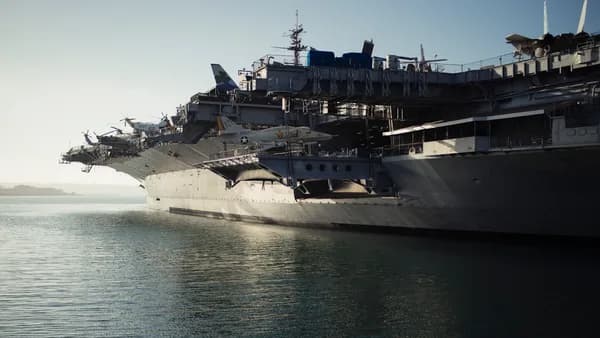
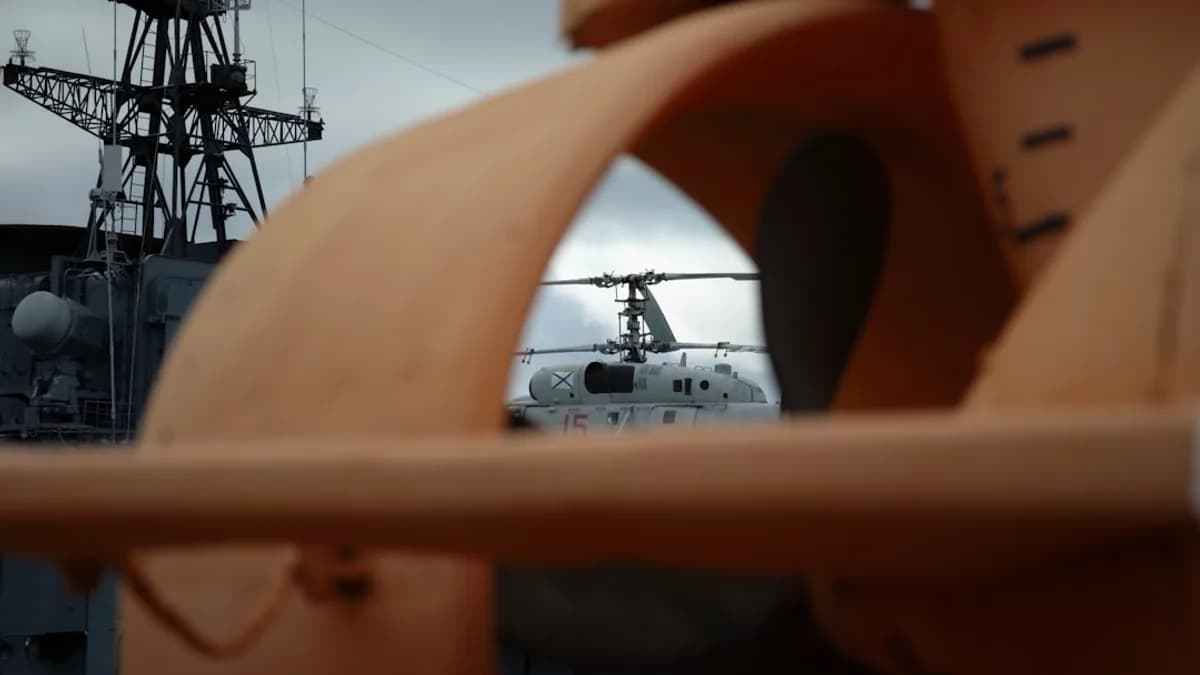
The Pentagon isn’t just guiding ships through the Strait of Hormuz; it’s flashing a warning sign for the global economy. When the US Navy starts escorting commercial vessels in this 21-mile-wide corridor, it means risk calculations have changed — and not in the market’s favor. The Strait is the jugular vein of global oil flows: roughly one-fifth of the world’s petroleum transits these waters daily. Any disruption here is instantly felt from Rotterdam to Singapore.
The trigger? A sharp escalation in Iran-US tensions. Tehran’s recent threats against shipping, coupled with US intelligence of possible attacks or seizures, have forced Washington’s hand. According to CryptoBriefing, this military escort program is a direct response to mounting security concerns, not just routine posturing.
Such moves rarely de-escalate the situation. Military escorts in the Strait are inherently provocative: they signal a willingness to intervene, raising the stakes for Iran and its proxies. Every US warship in the Gulf narrows Tehran’s options — but also increases the risk of miscalculation. In the past, similar deployments have sparked tit-for-tat actions, including attacks on tankers and threats to close the Strait entirely. The net effect: a region on edge, global oil buyers jittery, and traders bracing for volatility. This is reminiscent of the Trump Sparks Naval Clash in Hormuz, Iran Threatens Retaliation episode that intensified tensions in the area.
Quantifying the Impact: Shipping Volumes and Oil Price Fluctuations Linked to Strait of Hormuz Security
Numbers tell the real story. The Strait of Hormuz handles about 21 million barrels per day of oil shipments — nearly 21% of global consumption, based on recent International Energy Agency estimates. LNG flows are also significant, with Qatar exporting roughly 80 million tonnes annually via the Strait, representing almost a quarter of global supply.
Security incidents here don’t just rattle nerves; they spike prices. In June 2019, after two tankers were attacked near the Strait, Brent crude surged 4.5% in a single day. Last year, the threat of Iranian drone strikes pushed oil prices briefly above $90/barrel, despite otherwise bearish fundamentals. Each time military tension flares, volatility expands: average daily price swings for Brent typically double during crisis weeks, according to Bloomberg data. This pattern aligns with the analysis in Strait of Hormuz Crisis Sparks 7% Oil Price Surge.
The US naval escort may temporarily calm the waters, but history suggests the effect is fleeting. Shipping insurers hike premiums, operators reroute vessels, and some cargoes get delayed. In the 2019 tanker attacks, insurance costs for voyages through the Strait jumped from $30,000 to over $185,000 per trip within days. Freight rates for VLCCs (very large crude carriers) spiked 50% as risk-averse shipowners hesitated to enter the Gulf.
The current US move could limit immediate disruptions — fewer seizures, more regular sailings. But it won’t erase the underlying risk premium in oil markets. As long as the region remains tense, traders will price in the possibility of a sudden supply shock, keeping volatility elevated and Brent above its historical average.
Diverse Stakeholder Perspectives on US Naval Escorts in the Strait of Hormuz
The US government frames its intervention as protecting freedom of navigation and safeguarding energy security. Washington argues that uninterrupted transit through the Strait is vital not just for American interests, but for global stability. White House officials cite international law and past UN Security Council resolutions supporting the right of passage — but their message is clear: the US will not tolerate threats to commercial shipping.
Iran sees things differently. Tehran regards the US presence as illegitimate and provocative, accusing Washington of militarizing the Gulf. Iranian officials warn that foreign naval deployments make the region less secure, not more, and often threaten to retaliate if their sovereignty feels infringed. These are not empty threats: in recent years, Iran has seized tankers, harassed vessels, and staged naval drills to signal its capabilities. The economic impact of such confrontations is detailed in US Naval Blockade Costs Iran $435M Daily, Crippling Economy.
Global oil importers — China, India, Japan, South Korea — watch nervously. They depend on stable flows from the Gulf, and every disruption translates into higher costs and supply uncertainty. Their governments urge restraint, often pushing for diplomatic solutions rather than military escalation. Shipping companies face a tougher calculus: security brings higher costs, from insurance premiums to rerouting, and uncertainty about crew safety. For some operators, the risk outweighs potential profits.
Among stakeholders, only the US and Gulf allies see the escorts as stabilizing. For Iran and many Asian buyers, the move is a potential flashpoint, not a solution.
Historical Patterns of Military Involvement in the Strait of Hormuz and Their Economic Consequences
History rarely repeats, but it rhymes loudly in the Persian Gulf. The “Tanker War” of the late 1980s saw Iran and Iraq attack merchant vessels in the Strait, prompting the US to launch Operation Earnest Will — reflagging Kuwaiti tankers and escorting them with warships. Oil prices spiked, and shipping insurers imposed war risk premiums that persisted for months. The lesson: military involvement can prevent worst-case disruptions, but it rarely brings lasting calm.
Fast-forward to May-June 2019. Iranian-backed forces struck multiple tankers, prompting the US and UK to dispatch naval escorts. Insurance rates soared, shipping volumes dipped briefly, and Brent crude saw its largest weekly gains in months. Yet markets adjusted: after initial spikes, prices settled as traders priced in new risks and routes.
The current episode echoes these past crises. Each time military escorts enter the Strait, markets react quickly — but rarely return to pre-crisis normal. Risk premiums linger, operational costs rise, and diplomatic efforts struggle to keep pace with events on the water. The takeaway: military intervention can limit immediate chaos, but the economic consequences — higher prices, insurance, and volatility — outlast the headlines. This ongoing dynamic is explored further in Iran Declares Strait of Hormuz Will Never Return to Normal.
What Persistent Strait of Hormuz Tensions Mean for Global Energy Markets and Shipping Industries
Ongoing tensions in the Strait of Hormuz threaten more than price spikes; they reshape the calculus for global energy markets and shipping firms. Persistent risk means oil prices stay elevated, even when supply is steady. Analysts at Goldman Sachs estimate that geopolitical premiums add $5-10/barrel during periods of heightened tension — a cost absorbed by refiners and passed to consumers.
Operational challenges multiply. Shipping companies must invest in security protocols, pay higher insurance, and sometimes reroute vessels via the Cape of Good Hope, adding weeks and 30-40% to voyage costs. Crew safety becomes a top concern; many operators now refuse to transit the Gulf without armed escorts or robust contingency plans.
For global energy security, the stakes are higher. The Strait’s vulnerability exposes supply chains to sudden shocks — not just oil, but LNG, chemicals, and refined products. Countries reliant on Gulf energy imports must weigh diversification strategies: building reserves, securing alternative routes, or investing in domestic production. Any escalation risks broader supply chain disruptions, from plastics to aviation fuel.
Persistent instability here doesn’t just affect oil traders; it ripples through manufacturing, transport, and consumer goods worldwide.
Forecasting the Future: How Evolving Iran-US Relations Could Shape Strait of Hormuz Security and Oil Markets
Three scenarios loom. First, a negotiated de-escalation: US-Iran talks, regional mediation, and confidence-building measures could restore some predictability. In this case, oil prices might retreat, and shipping costs normalize — but risk premiums would linger until trust is rebuilt. This hopeful scenario is reflected in Trump Signals Easing Strait of Hormuz Blockade After Iran Talks.
Second, a status quo of low-level tension. The US maintains escorts, Iran harasses but doesn’t escalate, and markets remain jumpy. Expect Brent to stay above $85/barrel, insurance rates elevated, and shipping companies investing in security.
Third, a sharp escalation. Direct conflict or a surprise attack could choke the Strait, drive oil above $120/barrel, and force global importers into emergency measures. The fallout: rerouted flows, supply rationing, and a renewed push for energy diversification.
Diplomatic efforts matter, but sanctions and military deployments shape the real calculus. Long-term, expect Gulf exporters to invest in bypass pipelines (like Saudi Arabia’s East-West route), buyers to diversify away from the region, and shipping companies to build resilience into their operations.
The Strait of Hormuz isn’t just a passage; it’s a barometer for global energy stability. As US-Iran tensions ebb and flow, traders, shippers, and governments will need to adapt — or pay the price.
Impact Analysis
- The US military escort signals heightened geopolitical risks that could disrupt vital global oil flows.
- Escalating Iran-US tensions threaten stability in a region responsible for one-fifth of the world's petroleum shipments.
- Any disruption in the Strait of Hormuz could lead to oil price spikes and economic volatility worldwide.