US Navy Reduces Escort Operations in Strait of Hormuz Amid Rising Iran Tensions
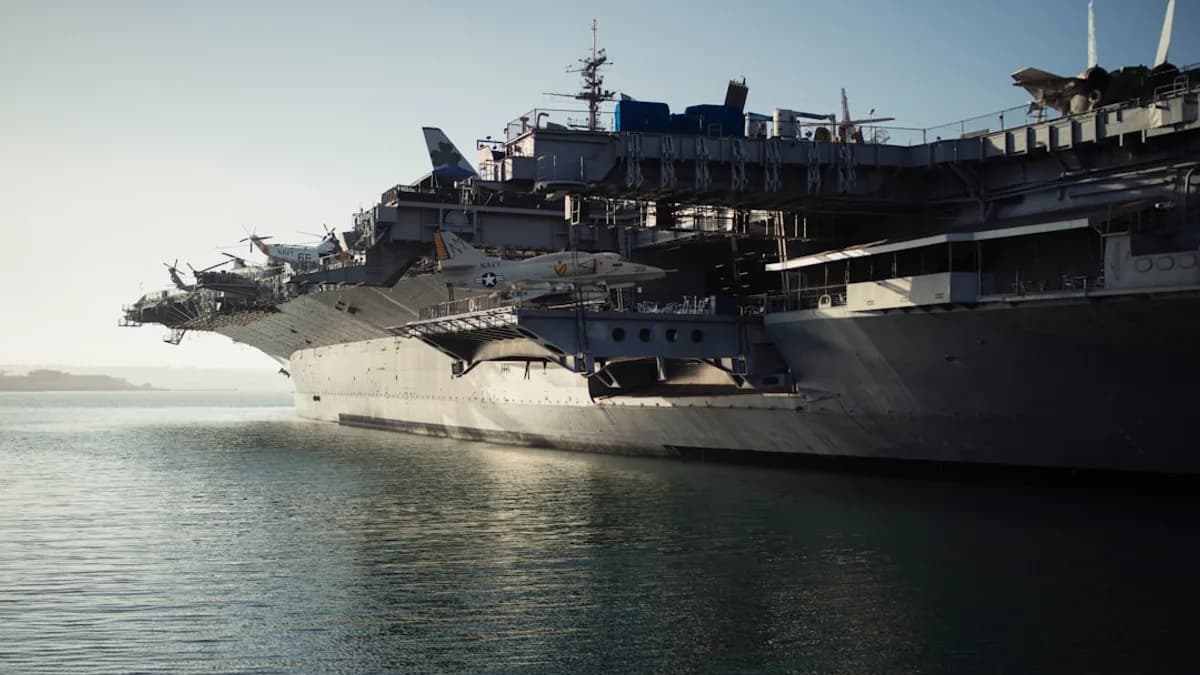
The U.S. Navy has pulled back on escort operations for commercial ships through the Strait of Hormuz, raising the stakes for oil flows as tensions with Iran intensify, according to CryptoBriefing. The shift leaves a critical chokepoint—responsible for nearly 20% of global oil shipments—more exposed to disruption at a time when Tehran has repeatedly threatened to close or restrict passage.
Recent weeks saw several close calls: Iranian naval forces intercepted two oil tankers in April, and U.S. officials confirmed that at least one drone harassment incident forced a rerouting of a commercial carrier. The Pentagon has not specified how many escorts it will now provide, but sources say the reduction is significant compared to the regular convoys seen during the 2019-2020 flare-up, when the U.S. and U.K. led coordinated maritime security patrols after a series of tanker seizures.
The Strait of Hormuz has always been a pressure valve for the region’s power struggles. Roughly 21 million barrels of crude and refined products flow through its 21-mile-wide passage every day, linking the oil fields of Saudi Arabia, Iraq, and the UAE with global markets. Any sign of U.S. retrenchment signals risk to both oil majors and the insurance underwriters who price cargoes passing through these waters.
Potential Consequences for Regional Stability and Global Oil Markets
Scaling back U.S. naval escorts isn’t just a tactical move—it directly shifts the calculus for Iran and its proxies. Without a visible American deterrent, Iranian Revolutionary Guard units have more freedom to flex, whether through direct interdiction or asymmetric attacks like drone swarms and mines. These aren’t hypotheticals: in 2019, six tankers were damaged by explosions in the Gulf of Oman, and insurance premiums for ships in the region jumped as much as 300% overnight.
This time, the threat could drag on longer. Unlike the rapid escalations of the past, the current U.S. posture signals uncertainty to regional players. Gulf states like Saudi Arabia and the UAE now face greater pressure to bolster their own naval patrols, but neither has the reach or firepower to fully replace American muscle. That gap matters for global oil supply security—especially with OPEC+ already tightening output and inventories at multi-year lows.
Market reaction is already visible. Brent crude futures spiked over $3/barrel in the first 24 hours after the U.S. announcement, and analysts at JPMorgan flagged a potential $10-15/barrel risk premium if shipping disruptions persist. For major importers—China, India, Japan—any prolonged volatility threatens both economic recovery and inflation targets. Insurance and shipping companies are already tacking on “war risk” surcharges, which can add hundreds of thousands of dollars in cost for a single supertanker voyage.
Diplomatically, the U.S. move puts Washington’s Gulf relationships under strain. Partners who rely on American security guarantees are now openly questioning whether the U.S. is prepared to defend vital shipping lanes. Iran, meanwhile, is leveraging the moment to demand sanctions relief and greater freedom to export its own oil, betting that prolonged instability will force Western concessions. The risk: a tit-for-tat cycle where diplomatic channels erode and the probability of a miscalculation rises.
What to Watch Next: US Strategic Moves and International Responses
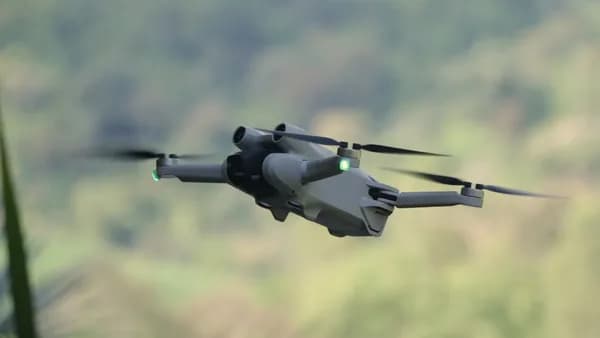
The Pentagon hasn’t ruled out resuming escorts if Iran escalates, but any increase would require redeploying ships from other theaters—a move that could leave gaps in U.S. commitments elsewhere, from the South China Sea to the Red Sea. In the short term, the U.S. is leaning on surveillance drones, satellite tracking, and signals intelligence to monitor Iranian deployments, but these tools are no substitute for a visible naval presence when deterrence is the objective.
Allied nations are weighing their options. The U.K. has already signaled readiness to revive its own escort missions if attacks resume, while France and the EU are in talks to expand the EMASoH maritime surveillance mission. China, a top buyer of Gulf oil, has quietly urged restraint on both sides but stopped short of offering military support. Multilateral forums like the International Maritime Organization are likely to see renewed calls for collective security frameworks—but past efforts have struggled to translate into real-time protection.
Investors and policy analysts are tracking several early warning signals: sudden surges in insurance rates, unexplained ship rerouting, spikes in spot oil prices, and increased military flights in the region. A single high-profile incident—a seized tanker, a missile strike—could force a rapid U.S. policy pivot. Conversely, successful backchannel talks or third-party mediation could cool the waters, restoring some degree of stability.
For now, the balance tilts toward protracted uncertainty. Energy traders, shipping firms, and governments will need to price in a wider range of outcomes as the Strait of Hormuz becomes a live flashpoint once again.
Impact Analysis
- Reduced US Navy escorts increase risk of oil shipment disruptions and higher shipping costs.
- Iran may feel emboldened to further threaten or block maritime traffic, destabilizing regional security.
- Global energy markets face heightened volatility, affecting both oil prices and supply reliability.