Trump Launches Naval Mission in Strait of Hormuz Amid Rising Tensions
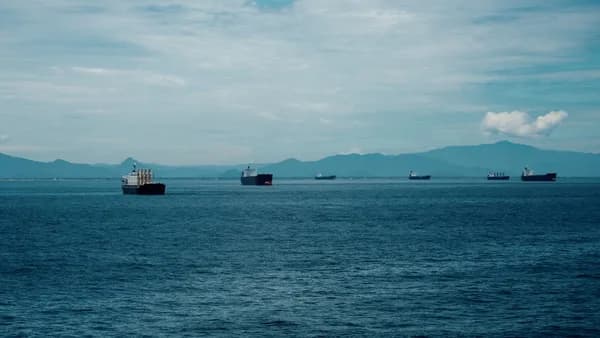
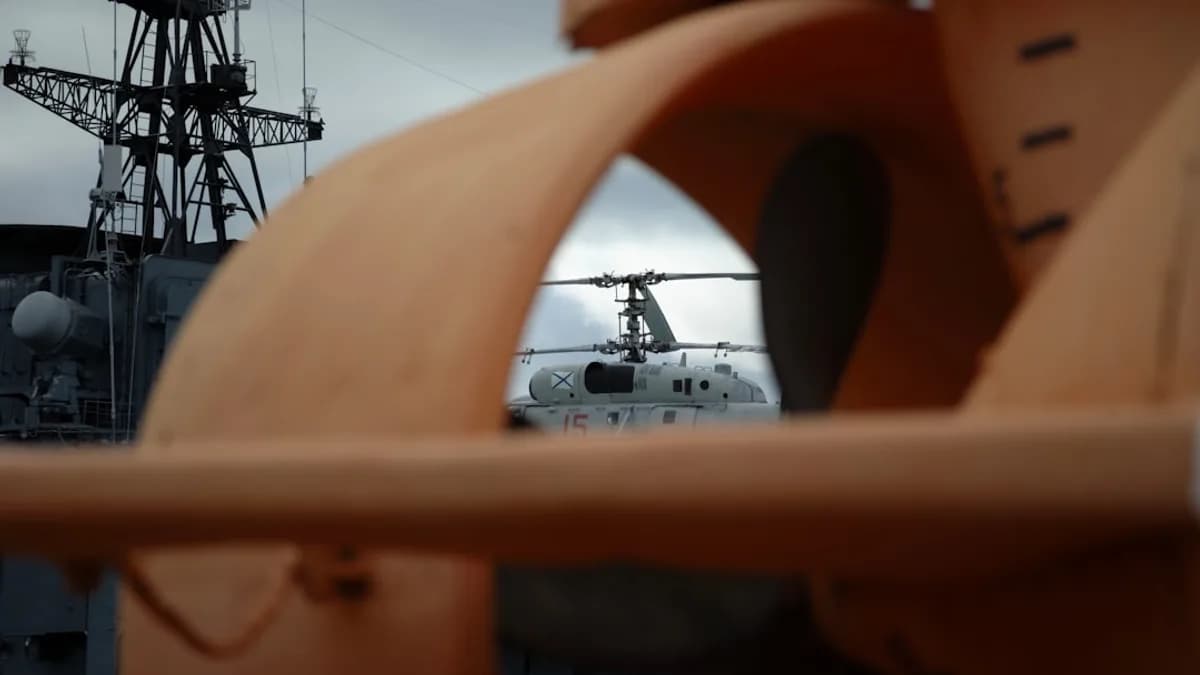
U.S. President Donald Trump ordered a new naval deployment to the Strait of Hormuz, throwing fuel on already smoldering tensions with Iran and rattling energy markets overnight. The White House said the mission aims to “guarantee navigational freedom” through the world’s most vital oil chokepoint, with warships set to arrive within 48 hours, according to CryptoBriefing.
The timing is pointed. The announcement follows weeks of tit-for-tat accusations and drone encounters since a tentative ceasefire paused open hostilities earlier this year. The Strait of Hormuz funnels about 21 million barrels of oil per day—roughly a fifth of global consumption. Any disruption here can spike crude prices in hours. Trump’s team claims the operation is defensive, citing “credible threats” to commercial shipping after several recent sabotage attempts blamed on Iranian proxies.
Iran’s response was immediate and sharp. Tehran’s foreign ministry called the move a “hostile provocation” and accused Washington of “sabotaging the ceasefire framework.” The country’s Revolutionary Guard warned U.S. forces to “expect consequences” if they impede Iranian vessels.
This marks the most assertive U.S. military posture in the Gulf since the tanker seizures of 2019. Back then, brief price spikes of 4-6% on Brent crude mirrored today’s market jitters, as traders braced for any hint of supply disruption. The new deployment signals Washington is done with mere rhetoric—and Tehran knows it.
Iran’s Warning Signals Risk of Ceasefire Breakdown and Regional Instability
Iran’s official statement categorically denounced the U.S. mission as a “flagrant breach” of the delicate ceasefire, warning that any interference in its territorial waters would be met with “immediate and proportional response.” The foreign ministry’s communique accuses the U.S. of “seeking to collapse the current diplomatic process” and casts the move as a deliberate attempt to undermine backchannel peace efforts.
The ceasefire—brokered with European and Omani mediation just four months ago—has been hanging by a thread. Both sides have accused each other of minor violations, but until now, neither had crossed the line into overt military escalation. Analysts warn that the deployment could trigger a spiral: even a single skirmish or miscalculation could unravel months of fragile diplomacy and reignite proxy clashes from Yemen to Iraq.
Regional security alliances are already recalculating. Saudi and Emirati officials expressed “grave concern” in closed-door briefings, worried the U.S.-Iran standoff could pull Gulf states into a wider confrontation. Israel quietly raised its alert level along northern borders, wary that Iranian-backed militias might use the chaos as cover for new attacks.
Markets wasted no time reacting. Crude futures jumped over 3% in early Asian trading, with shipping insurance premiums for Gulf transits climbing nearly 20% overnight. Defense stocks for U.S. and European contractors saw a modest bump, signaling investors see a prolonged period of uncertainty.
Diplomats in Brussels and New York scrambled to revive talks, but with both sides doubling down, the odds of a quick de-escalation look slim. The next 72 hours will test whether the ceasefire can survive the latest shock.
Global Watch: What to Expect Next in US-Iran Maritime Conflict
The immediate risk: a close encounter or accident in the strait that triggers live fire. U.S. carrier groups and Iranian patrol boats have operated here for years, but new rules of engagement raise the chance of miscalculation. American officials privately admit they’re bracing for “gray zone” tactics—swarm boats, GPS jamming, or sabotage—rather than open naval battle.
If Iran follows through on threats to restrict commercial shipping, expect a logjam. Even a temporary halt could trap dozens of tankers and send Brent crude above $90 per barrel. Asia, dependent on Gulf oil, would be first to feel the pinch. Last time tensions peaked, Japanese refiners and South Korean shipping lines rerouted vessels at steep cost, and some insurers even suspended coverage for the entire transit corridor.
Mediation efforts are already underway. The EU revived its joint maritime deconfliction task force, inviting both U.S. and Iranian representatives to emergency talks in Vienna. China and India, as top oil importers, have urged restraint and signaled willingness to broker a compromise. The wildcard: Russia, which could exploit chaos in Hormuz to boost its own oil exports—potentially undermining Western sanctions pressure.
Key indicators to watch: unplanned ship detentions, new U.S. or Iranian sanctions, and any spike in insurance claims from Gulf transits. Also keep an eye on satellite tracking for unusual naval maneuvers or sudden “dark” periods when ships switch off transponders—a harbinger of covert operations.
Bottom line: The Hormuz chessboard is in motion, and investors, shippers, and governments are all recalculating. If either side blinks, volatility could subside fast. If not, the world’s energy arteries—and risk models—just got a whole lot more fragile.
Impact Analysis
- The Strait of Hormuz is critical to global oil supply, and disruptions here can rapidly impact energy prices worldwide.
- Escalating U.S.-Iran tensions risk undermining a fragile ceasefire and increasing regional instability.
- A military incident could trigger broader geopolitical and economic consequences, affecting markets and international relations.