Why the Strait of Hormuz’s Status Quo Is Permanently Altered by US-Israel Actions
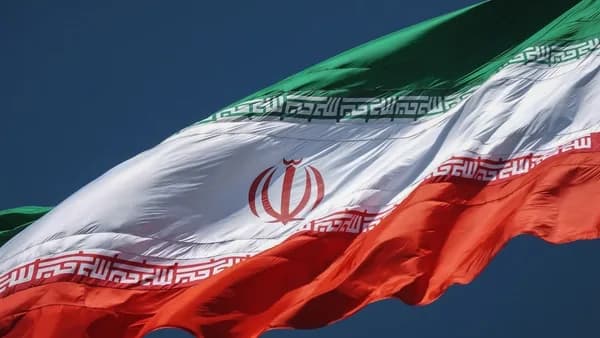
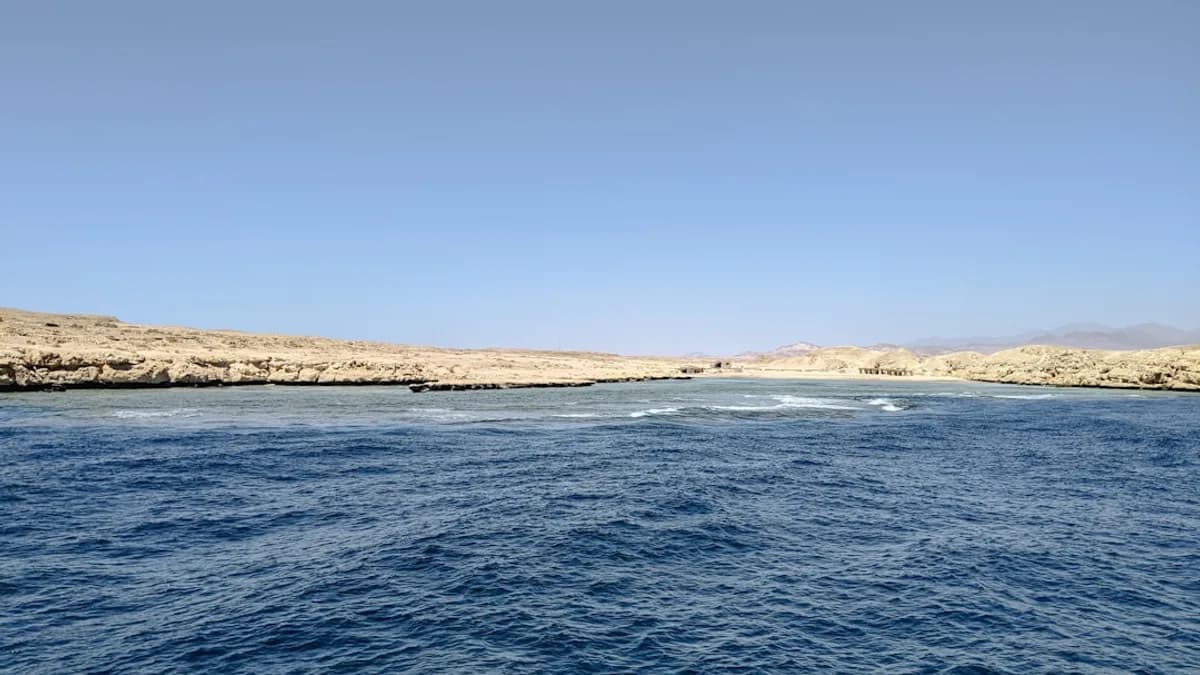
The Strait of Hormuz will not return to business as usual—no matter how the latest Middle East war plays out. That’s not speculation; it’s Iran’s official position, delivered by a senior lawmaker with the regime’s blessing, in direct response to US-Israeli military action against Tehran. The Persian Gulf’s strategic chokepoint—responsible for roughly 20% of global oil flows—now sits on a knife’s edge, and the consequences are irreversible according to Al Jazeera.
This isn’t just another round of saber-rattling. The US-Israel confrontation with Iran has upended the security assumptions that underpinned decades of relatively stable (if tense) passage through the Strait. Tehran’s declaration signals a shift from containment to active deterrence, with the regime wielding its geographic leverage more aggressively than ever. Oil markets are already twitchy: Brent crude futures, previously hovering around $80 a barrel, spiked to $94 at the height of recent tensions. The old “status quo” is dead, and global supply chains—especially energy—must adapt to a new era of uncertainty.
How Iran’s New Posture in the Strait Challenges Global Maritime Security
Iran has wasted no time turning words into action. Over the past year, the Islamic Revolutionary Guard Corps (IRGC) has escalated naval patrols, seized foreign-flagged tankers, and staged live-fire drills within sight of international shipping lanes. In April, Iranian forces intercepted the Marshall Islands-flagged Advantage Sweet, a move that sent insurance premiums for Gulf-bound vessels soaring by as much as 30%. Every ship that enters the Strait now operates under a heightened threat of interdiction or harassment.
This matters because the Strait is not just narrow—it’s indispensable. Some 18 million barrels of oil pass through daily, alongside a third of the world’s LNG exports. Even a brief shutdown, as seen during the 2019 tanker attacks, can add $10–15 to the price of a barrel practically overnight. But the economic fallout doesn’t stop at the pumps: rerouting tankers around Africa adds weeks and millions in costs per voyage, hitting everything from Asian manufacturing to European inflation. Meanwhile, the specter of a direct US-Iran naval clash has forced global shipping giants like Maersk and MSC to consider contingency plans—or avoid the Strait altogether.
Iran’s new rules of engagement challenge the long-held principle of “freedom of navigation.” Where US naval escorts once deterred interference, today’s multipolar reality means no single power can guarantee safe passage. The risks of miscalculation or escalation are now baked into every transit, raising insurance costs, slowing supply chains, and amplifying volatility in energy and shipping markets.
The Broader Geopolitical Consequences of a Transformed Strait of Hormuz
No regional actor can ignore these new realities. The US, which once enforced a tacit “red line” against disruptions in the Strait, now faces a dilemma: risk open conflict with Iran or accept diminished influence over a critical global artery. Israel, after years of shadow warfare, is now openly targeting Iranian interests—inviting retaliation not just in Syria or Lebanon, but at the Strait itself. Gulf monarchies, especially Saudi Arabia and the UAE, must now choose between deepening ties with Washington for protection, or hedging with de-escalation deals and direct talks with Tehran.
The possibility of escalation is real. Even before the latest hostilities, the 2019 Abqaiq–Khurais attacks knocked out half of Saudi oil output in hours—proof that bottlenecks can inflict global pain with limited means. Now, with Iran’s posture hardened and its proxies emboldened, the risk of a miscalculation triggering a wider conflict has only grown.
Sanctions and international diplomacy remain wildcards, but their effectiveness is questionable. US sanctions have squeezed Iran for years, yet failed to dislodge its grip on the Strait. China and India, hungry for secure energy supplies, are quietly negotiating side deals and alternative payment channels with Iran, undermining Western efforts at isolation. Multilateral naval patrols may deter piracy, but they’re ill-suited for a state actor willing to play chicken with the world’s energy supply.
Addressing the Argument That Stability Can Be Restored in the Strait
The optimists will argue that cooler heads and deft diplomacy can restore the Strait of Hormuz to its old rhythms. Proponents point to past US-Iran “deconfliction” hotlines, EU-brokered talks, and the basic economic self-interest of all parties in keeping oil flowing. In theory, a mutually agreed security framework or maritime code of conduct could lower tensions and reassure markets.
In practice, that’s wishful thinking. Tehran’s public statements are not just bluff—they’re matched by on-the-ground moves: the IRGC’s new anti-ship missile batteries, expanded naval bases on Qeshm and Abu Musa islands, and a hardening of “red lines” that make compromise costlier than confrontation. The war with Israel has cemented the Iranian elite’s worldview: maximum pressure from the West will be met with maximum resistance in the Strait.
Diplomatic mechanisms can dampen, but not erase, the risk. The pre-war status quo relied on a mix of tacit understandings, deterrence, and the assumption that no one wanted to pay the price of serious disruption. That assumption no longer holds. The Strait of Hormuz has become both a bargaining chip and a battlefield.
Why Global Stakeholders Must Adapt to the New Reality of the Strait of Hormuz
Pretending the clock can be turned back is strategic malpractice. Energy importers, shipping giants, and policymakers need to adjust to the reality that the Strait is now a permanent flashpoint, not a stable corridor. That means building redundancy into supply chains, diversifying energy sources, and investing in both maritime security and regional diplomacy.
First, insurers and shippers should price in higher risk premiums and develop real-time intelligence capabilities, not just contingency plans filed away for a rainy day. Major economies, especially in Asia, must accelerate alternative import routes—reviving stalled projects like Iraq-Saudi pipelines or expanding LNG terminal capacity. The US and its allies should prioritize direct channels with Iran for crisis management, even if broader détente remains off the table.
Most important: global leaders need to recognize that the Strait of Hormuz is no longer a pressure valve, but a live wire. The cost of misreading the room—be it military brinksmanship, sanctions overreach, or diplomatic drift—will not be confined to the Gulf. The new normal demands constant vigilance, creative diplomacy, and a willingness to pay for resilience up front, rather than in the aftermath of the next shipping crisis.
Impact Analysis
- Iran's shift in policy means lasting instability for a critical global oil transit route.
- Rising risks in the Strait of Hormuz are driving up energy prices and shipping costs worldwide.
- Global supply chains and maritime security protocols must adapt to an era of permanent uncertainty.