How Drone Warfare is Redefining the Russia-Ukraine Conflict Dynamics
Two hundred seventy drones intercepted in a single escalation cycle: that figure isn’t just a tactical win for Russia, it’s a signpost for how warfare is shifting in Eastern Europe. Drone warfare isn’t just a sideshow to artillery and tanks anymore; it’s now central to the playbook for both sides. The sheer volume of intercepted Ukrainian drones — reported by CryptoBriefing — speaks to a fundamental change: the battlefield is increasingly automated, decentralized, and data-driven.
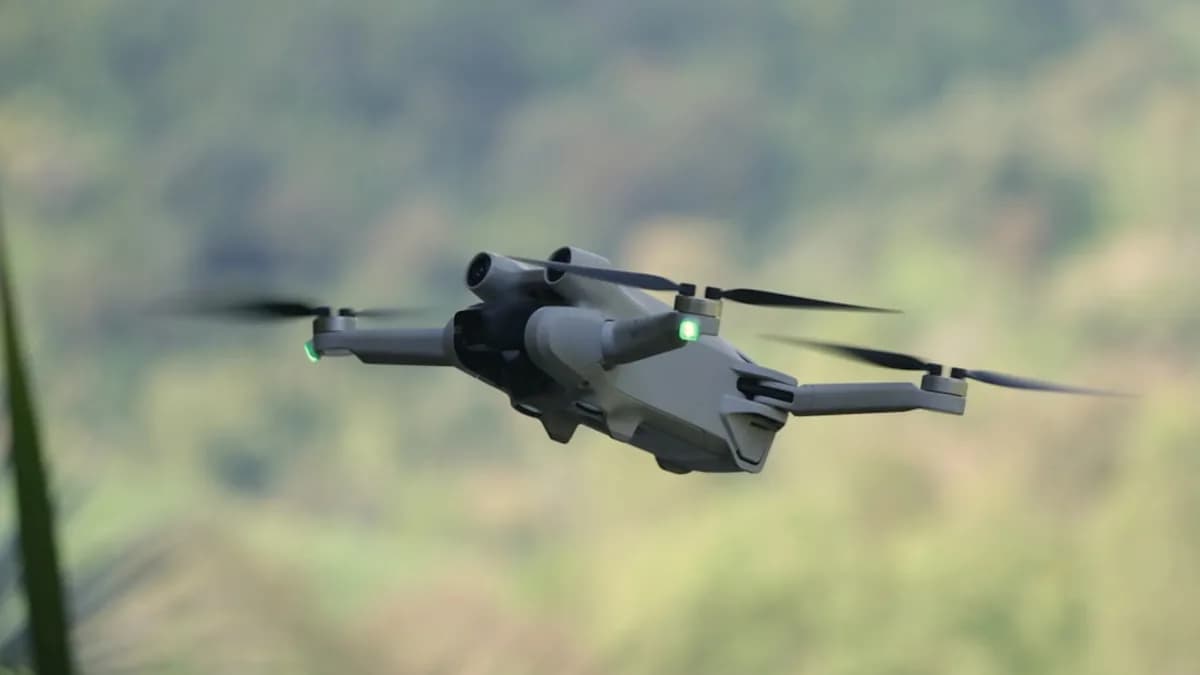
Traditional maneuvers like armored advances and infantry pushes are getting sidelined for swarms of low-cost drones. These drones serve as both reconnaissance and strike platforms, offering real-time intelligence and precision targeting at a fraction of the cost of conventional assets. Russia’s response — intercepting nearly 270 drones in a single phase — is more than just countermeasure; it’s a shift from reactive defense to proactive electronic warfare. The interception count isn’t a random tally; it signals a ramp-up in anti-drone tech and doctrine.
Drone warfare also forces new priorities. Commanders now juggle electromagnetic spectrum management and cybersecurity alongside logistics and troop movements. The emphasis on drone interception shows that control of the airspace — even on a micro scale — is becoming as critical as terrain. This shift isn’t just a matter of tactics; it’s altering the strategic calculus for ceasefire negotiations and battlefield dominance.
Quantifying the Surge: Data on Drone Interceptions and Deployment Trends
Russia’s claim of intercepting nearly 270 Ukrainian drones marks a sharp spike compared to previous months, when interception figures rarely breached triple digits. In early 2023, Russian defense sources reported intercepting an average of 50-80 drones per month. This new wave — nearly triple those numbers in a concentrated escalation — underscores how both sides are scaling up drone operations.
Ukraine has ramped up its reliance on commercial and military-grade drones since mid-2022. Industry estimates suggest Ukraine deployed between 5,000 and 7,000 drones across the front in 2023, with a monthly loss rate of up to 20% due to Russian countermeasures. Russia’s interception capabilities have kept pace, with deployments of advanced electronic warfare systems like Krasukha-4, which can jam, spoof, and disable incoming UAVs within a range of up to 300 km.
Technological shifts are accelerating this arms race. Ukrainian forces increasingly use swarm tactics and AI-driven flight paths, complicating Russian air defense algorithms. Russia, in turn, has pivoted to more networked radar systems and signal intelligence platforms. The intercepted drones aren’t just casualties; they’re evidence of an ongoing contest in software, hardware, and tactical innovation. This surge, with its unprecedented numbers, signals both sides are betting heavily on unmanned systems to tip the balance.
Diverse Stakeholder Perspectives: Military, Political, and Civilian Views on Drone Escalation
For the Russian military, intercepting 270 drones is a propaganda coup. The Ministry of Defense frames these operations as proof of technological superiority and battlefield control. Officials highlight the interceptions as evidence that Western-supplied Ukrainian drones — including those using Starlink communications — can be detected and neutralized, boosting domestic morale and signaling to NATO that Russia’s electronic warfare is formidable.
Ukrainian commanders see the drone surge as essential, not optional. Drones provide vital ISR (intelligence, surveillance, reconnaissance) for artillery strikes and sabotage missions behind enemy lines. The loss rate is high, but the cost-benefit ratio favors continued deployment. Ukraine’s messaging focuses on resilience and adaptability, painting drone warfare as the only means to offset Russia’s artillery and air advantage.
Civilian perspectives are fractured. On the ground in Ukraine, drone warfare brings both hope and anxiety: drones help spot and avoid Russian shelling, but also draw retaliatory fire and risk collateral damage. In Russia, intercepting Ukrainian drones is used to reassure populations near the border and downplay vulnerabilities. International observers, especially in NATO capitals, see the escalation as a troubling sign that peace talks are further out of reach. Human rights groups warn that increased drone warfare raises the risk of civilian casualties and infrastructure damage, complicating post-war recovery.
Tracing the Evolution: Historical Comparisons of Drone Use in Modern Conflicts
The Ukraine conflict isn’t the first to feature drones, but it’s the first where drones define the tempo. In the 2020 Nagorno-Karabakh war, Azerbaijan’s use of Turkish Bayraktar TB2 drones shifted the balance decisively, destroying Armenian armor and fortifications. That campaign saw about 100-150 confirmed drone strikes in six weeks, but the scale was smaller than what’s unfolding in Ukraine.
In Syria, the Russian military and its proxies deployed drones for targeted strikes and ISR, but never at this volume. US operations in Iraq and Afghanistan relied on large, expensive platforms like MQ-9 Reapers, focusing on surgical strikes rather than mass deployment. Ukraine’s approach — thousands of relatively cheap drones deployed simultaneously — is closer to China’s “drone swarm” doctrine, tested in recent military exercises but not yet seen in live conflict.
The lesson: drone warfare is evolving from elite, high-cost platforms to mass, disposable assets. In Ukraine, the sheer volume of interceptions and deployments dwarfs earlier conflicts, making this a proving ground for next-gen tactics. Historical precedents suggest that whoever adapts fastest to drone-centric warfare will shape not just battlefield outcomes, but also the terms of peace — or lack thereof.
What the Drone Escalation Signals for Ceasefire Prospects and Diplomatic Solutions
Drone warfare is poison for ceasefire prospects. Every spike in drone activity signals distrust and a willingness to escalate, not negotiate. Russia’s interception of nearly 270 drones — a clear message that Ukrainian attacks are intensifying — makes it harder for either side to frame the conflict as stable enough for talks. Diplomatic channels, already strained, are now overshadowed by drone strike headlines.
Negotiators face a new dilemma: drones are easy to deploy, hard to track, and nearly impossible to regulate in real-time. Previous ceasefires in Ukraine broke down over artillery exchanges; today, it’s drone incursions and airspace violations. The surge in interceptions is fueling skepticism among Western diplomats, who increasingly doubt that either side will pause long enough for meaningful talks.
This technological escalation is forcing a rethink of negotiation tactics. Traditional arms control — based on counting tanks and missiles — can’t keep pace with disposable drones. Verification and compliance mechanisms are outdated. The drone surge isn’t just a military development; it’s an obstacle to diplomacy, with the risk that future negotiations will require entirely new frameworks for unmanned systems.
Future Trajectories: Predicting the Role of Drone Warfare in the Russia-Ukraine Conflict
If current trends hold, drone warfare is set to expand, not taper off. Russian and Ukrainian engineers are racing to develop smarter, stealthier, and more resilient drones. AI-driven autonomous targeting, encrypted communications, and anti-jamming tech are all likely to shape the next phase. On the Russian side, expect deeper integration of electronic warfare with air defense, possibly extending interception ranges and automating response protocols.
Ukraine, facing resource constraints, is likely to double down on crowd-sourced drone innovation and foreign partnerships. Western suppliers are already rolling out modular drone kits designed for rapid replacement and adaptation. The next six months could see even higher interception rates, with both sides shifting from quantity to quality — more specialized drones for sabotage, electronic attack, and decoy missions.
Globally, Ukraine’s drone surge is sparking doctrinal shifts in NATO and Asian militaries. War games increasingly feature swarm tactics and counter-swarm operations, while procurement budgets tilt toward unmanned systems. The Russia-Ukraine conflict is not just a regional struggle; it’s a laboratory for how future wars will be fought. The most likely scenario: drones will continue to escalate the conflict’s intensity and duration, with ceasefire prospects receding until new, tech-driven negotiation models emerge.
The bottom line: any hope for a diplomatic reset will hinge not on traditional weapons, but on the ability to monitor, manage, and mitigate drone warfare at scale. Until then, the interception numbers will keep climbing, and the battlefield will keep evolving.
Impact Analysis
- The sharp increase in drone interceptions signals a major shift in military strategy and technology.
- Automated drone warfare is forcing both sides to invest in new electronic and cybersecurity defenses.
- Control over airspace and data-driven tactics are redefining battlefield dominance and negotiation dynamics.