How the US Naval Blockade in the Strait of Hormuz Amplifies Economic Pressure on Iran
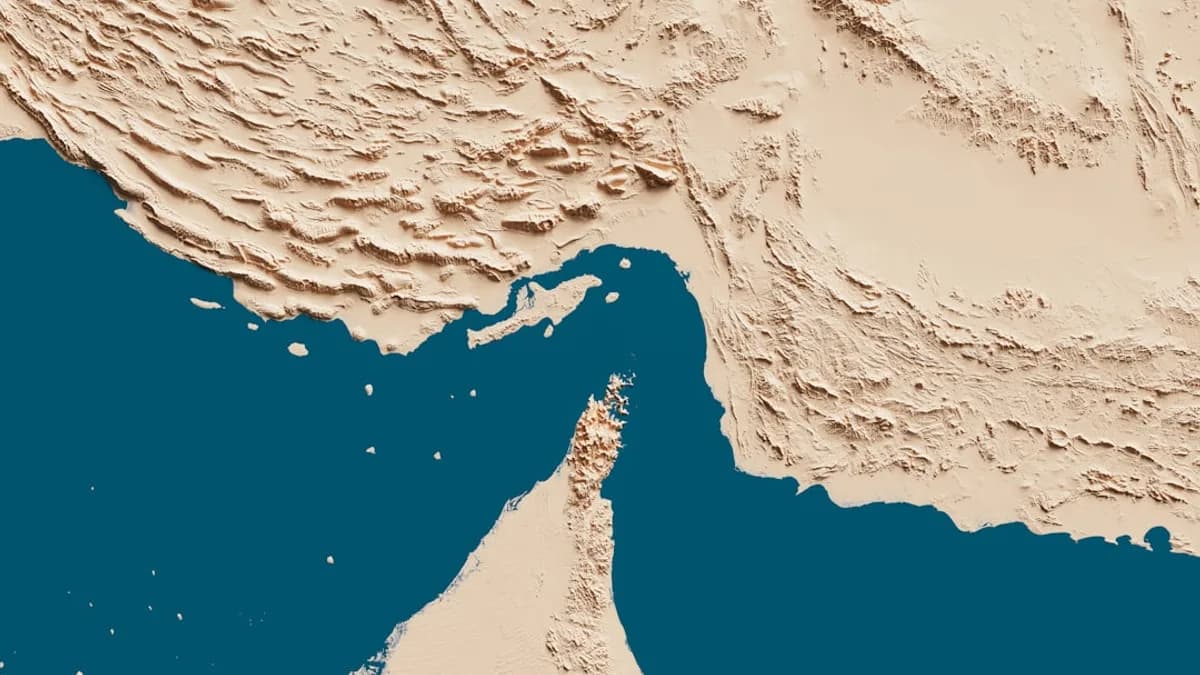
A blockade of the Strait of Hormuz doesn’t just throttle Iran’s oil exports—it surgically targets the regime’s financial lifeline and exposes the country’s economic fragility. The Strait handles nearly 20% of global oil flows, but for Iran, it’s existential: about 90% of its oil exports, which comprised nearly 60% of government revenue last year, move through this narrow corridor. When US warships choke off these routes, Iran’s export pipelines collapse overnight, triggering a cash flow crisis that ripples through every sector of its economy.
According to CryptoBriefing, the blockade is costing Tehran an estimated $435 million every day. That’s not just lost oil sales—it’s a direct hit to the government’s ability to fund subsidies, pay public sector salaries, and stabilize the tumbling rial. With international payments and trade routes disrupted, Iranian ports are seeing a surge in idle tankers, while exporters scramble for alternative (often costlier) overland routes through Iraq or Turkey.
The domestic fallout is swift and severe. Prices for imported goods spike as supply chains break down; inflation, already running above 40% annually, surges even higher. The rial, battered by sanctions since 2018, now faces added downward pressure, sparking panic buying of dollars and gold. Consumer confidence plummets. Businesses cut payrolls or shutter entirely, especially those dependent on foreign inputs and markets. The blockade doesn’t just squeeze Iran’s current account—it threatens the regime’s ability to keep basic services running.
Quantifying the Economic Fallout: Data-Driven Insights into Iran’s Financial Strain
$435 million in daily losses translates to nearly $160 billion annually—roughly a third of Iran’s pre-blockade GDP. In 2023, Iran exported about 1.2 million barrels of crude per day, with oil revenue accounting for close to $70 billion. Post-blockade, exports have dropped by at least 60%, with oil shipments now below 500,000 barrels daily. This sudden contraction dwarfs the impact of previous sanctions, which cut exports but rarely halted them entirely.
Key economic indicators point to rapid deterioration. The rial has lost over 15% of its value in weeks since the blockade began, hitting historic lows against the dollar and euro. Inflation, previously hovering near 40%, is on track to breach 50% as food and fuel prices jump. Unemployment, officially around 9%, is likely understated; informal labor markets report layoffs in logistics, manufacturing, and retail. Foreign investment, already tepid due to legal and sanctions risks, is vanishing—major Asian and European partners have suspended new projects, and portfolio inflows have collapsed.
Secondary impacts are mounting. The government has started rationing fuel domestically as refined products are diverted to compensate for lost exports. Social unrest is brewing: protests over job losses and price hikes are spreading from port cities to Tehran. The central bank, caught in a currency spiral, is burning through reserves to defend the rial, but those reserves are finite. Each day the blockade persists, Iran’s fiscal and monetary options shrink.
Diverse Stakeholder Perspectives on the Strait of Hormuz Blockade and Its Ramifications
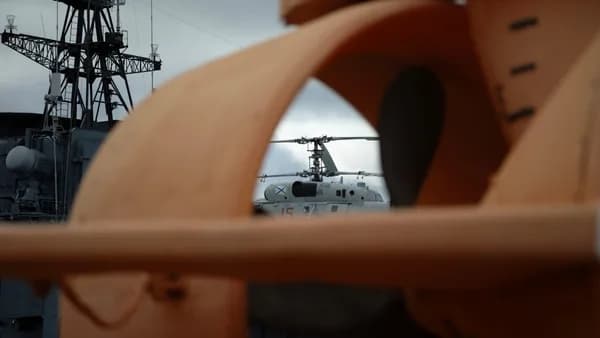
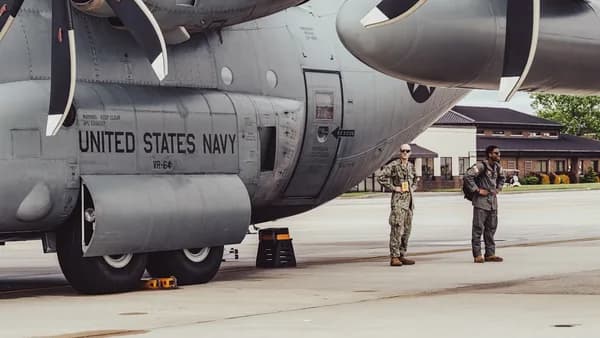
The US government frames the naval blockade as a preemptive security move, citing intelligence on Iranian arms transfers and threats to shipping. Washington’s calculus is clear: by tightening pressure on Tehran, it aims to force concessions on nuclear and regional policy without risking direct military escalation. Pentagon officials argue that the blockade is “targeted,” only intercepting Iranian vessels and not impeding broader Gulf trade—though the reality for shippers is less binary.
Iranian leaders denounce the blockade as “economic warfare,” vowing to retaliate with asymmetric tactics, including harassment of US and allied vessels and potential sabotage of rival oil infrastructure. Hardliners in the regime view the crisis as an opportunity to rally domestic support and justify crackdowns on dissent, while moderates scramble for diplomatic openings via Qatar or Oman.
Regional actors are walking a tightrope. Gulf states like Saudi Arabia and the UAE, which export through the Strait, are anxious: a prolonged blockade risks disrupting their own energy shipments and inflating oil prices. Some are quietly lobbying Washington for restraint, while others hedge by expanding overland pipelines to bypass Hormuz. China and India, major consumers of Gulf oil, are pressuring both sides for de-escalation, fearing supply shocks and insurance premiums that could add billions annually to import costs.
Global energy and shipping markets are reacting fast. Spot crude prices have jumped 12% since the blockade started, with Brent trading above $95 per barrel. Shipping insurers have raised rates for Hormuz transits by 40%, and rerouting cargo through alternate passages is adding days and millions in extra costs. Multinational oil firms are rebalancing inventories, and traders are betting on volatility.
Historical Parallels: Comparing Past Strait of Hormuz Disruptions and Their Outcomes
This isn’t the first time the Strait of Hormuz has been a geopolitical flashpoint. In the 1980s, during the Iran-Iraq “Tanker War,” attacks on vessels triggered a 30% surge in oil prices and forced the US Navy to escort commercial ships. But even then, the strait was never completely closed—most disruptions lasted weeks, not months, and global energy markets adapted through increased output from Saudi Arabia and strategic reserves.
In 2012, Iran threatened to block Hormuz in response to EU sanctions, sparking market jitters but little lasting disruption. Oil prices rose 10%, and shippers rerouted some traffic, but diplomatic mediation prevented escalation. The lesson: threats alone rarely produce sustained economic pain without actual physical blockade.
The present US blockade is more surgical and sustained, making historical analogies imperfect. Unlike past incidents driven by regional war or threats, this is a deliberate policy tool. The scale of economic damage is larger, given Iran’s heavier reliance on oil exports and lack of diversified trade partners. Past crises resolved when global powers brokered deals—either compensation for losses or phased withdrawal of military forces. But the current standoff is complicated by Iran’s weakened negotiating position and fractured international alliances.
Patterns suggest that protracted blockades ratchet up both regional instability and global price volatility, until outside actors—usually the US, EU, or China—force a diplomatic exit ramp. But each iteration leaves Iran’s economy weaker and more exposed.
Implications for Global Energy Security and International Trade Amid Strait of Hormuz Tensions
The blockade’s threat to global energy security is immediate and non-trivial. With nearly 20 million barrels of oil per day transiting Hormuz, even a partial disruption sends shockwaves through supply chains. Brent crude’s climb past $95 per barrel could soon break $100 if the blockade persists, pushing up inflation worldwide and forcing central banks to rethink rate cuts.
Shipping insurance costs for Hormuz routes are now up 40%, and some carriers are refusing to transit altogether. Rerouting via the Red Sea or Turkish pipelines adds days to delivery times and exposes cargo to new risks—piracy, political instability, and higher fees. International trade in non-oil goods also suffers as ports in the Gulf region become bottlenecked and container traffic drops.
A prolonged blockade could force multinational oil firms to tap strategic reserves, cut production, or accelerate investments in alternate energy sources. Governments in Asia and Europe are scrambling to diversify import sources, but few can replace Gulf volumes overnight. If disruptions continue, global growth projections could slip by 0.5-1%—a haircut with real consequences for jobs, investment, and consumer spending.
The incident is also reshaping risk management: commodity traders are pricing in higher volatility, insurers are rewriting contracts, and supply chain managers are revisiting contingency plans. Expect new investments in pipeline infrastructure, LNG terminals, and digital tracking systems as firms seek to insulate against future Hormuz shocks.
Forecasting the Future: Potential Scenarios and Long-Term Consequences of the Strait of Hormuz Blockade
If the blockade drags beyond several months, Iran’s economy faces a structural crisis. Oil revenue could fall below $20 billion annually, forcing the regime to slash spending, cut subsidies, and risk widespread unrest. Currency reserves will dwindle, and inflation could breach 60%. The potential for civil protests or elite defections rises, destabilizing the political order.
Escalation is a real risk: Iran may harass commercial shipping or sabotage Gulf energy infrastructure, prompting US or allied military responses. That scenario would spike oil prices and threaten global recession. Alternatively, backchannel negotiations—likely via Oman, Qatar, or European intermediaries—could broker a phased relaxation, with Iran offering concessions on nuclear or regional policy in exchange for partial reopening.
Regional alliances are shifting. Gulf states, wary of US unpredictability, are investing in pipeline routes to the Mediterranean and Red Sea, hedging against future Hormuz crises. China and India may push for a diplomatic solution, leveraging their economic clout and energy needs. Russia could exploit instability to boost its own energy exports.
Technology and alternative energy will shape the long-term fallout. As supply chains adapt, investments in renewables, battery storage, and LNG infrastructure will accelerate. If the blockade persists, it may catalyze a faster shift away from oil dependency—especially in Europe and Asia, where energy security has become a top priority.
The likeliest scenario: short-term pain, followed by a negotiated settlement. But the episode leaves lasting scars—on Iran’s economy, global energy markets, and the calculus of risk in the Persian Gulf. Investors and policymakers would be wise to treat Hormuz not as a one-off, but as a recurring flashpoint demanding permanent contingency planning.
Impact Analysis
- The blockade cuts off Iran’s main oil export route, causing immediate financial strain.
- Daily losses of $435 million threaten Iran’s ability to fund basic government services.
- Rising inflation and currency instability directly affect Iranian consumers and businesses.