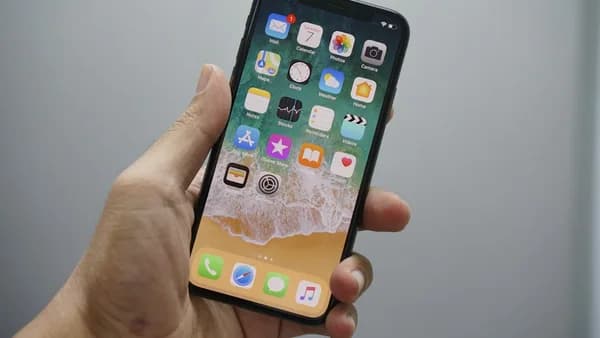
A stolen unlocked iPhone is dangerous because the thief does not need to break in — the door is already open.
Apple is working on an iPhone anti-snatch lock that would automatically lock an iPhone when the system detects that it has been snatched from a user’s hand, according to 9to5Mac . Apple has not announced when such a feature would ship.
That makes this more than another privacy setting. MLXIO analysis: Apple appears to be targeting the most dangerous few seconds in phone theft: the gap between the grab and the first lock. If the iPhone stays unlocked during that window, a thief may still reach apps such as WhatsApp on iPhone, RCS chats, messages, settings, Apple ID controls, passwords, or financial services before the owner can react.
Apple’s iPhone Anti-Snatching Lock Turns Street Theft Into a Software Problem
Apple already has several anti-theft layers, including Find My, Activation Lock, and Stolen Device Protection. The problem is that many protections weaken when the phone is taken while already unlocked.
That is the real target here. The new feature would attempt to lock the iPhone automatically when it detects a snatching event. The supplied source does not detail the detection method, the sensor list, or the exact signals Apple may use.
The timing matters. Remote locking after a theft can help. Security delays can slow account takeover. But an instant lock during the theft could block access before the thief gets a meaningful session with the device.
Apple’s challenge is obvious: the phone has to act fast without panicking. A false positive while running, commuting, taking a photo, or handing the device to someone would create friction. A missed detection could leave the user exposed at the exact moment the feature is meant to help.
How an iPhone Could Detect a Snatch Using Motion, Context, and On-Device Intelligence
The only supported public detail in the supplied source is the outcome: the iPhone would automatically lock when it detects that it has been snatched from the user’s hand. Apple has not publicly described which sensors, contextual checks, or on-device models would make that judgment.
That uncertainty matters. A hard movement event alone would not be enough for a reliable consumer feature. Phones fall. People sprint for trains. Cyclists hit bumps. Parents hand devices to children. A phone can move violently without being stolen.
MLXIO analysis: any successful version would likely need context, not just speed. The system would have to separate hostile removal from ordinary motion, while still acting quickly enough to cut off the thief’s unlocked session. That is a difficult line to draw.
Apple has not disclosed whether the system uses motion sensors, paired-device proximity, network context, location familiarity, touch state, screen activity, or device orientation. Those remain unknown. The key design question is not whether Apple can detect movement. It is whether it can distinguish hostile removal from normal life with enough confidence to justify taking control away from the user for a moment.
The Hard Numbers Behind Apple’s Theft Response Are Delays and iOS Versions
The supplied source material does not include law-enforcement theft rates, insurance data, or claims figures. So the strongest numeric evidence here comes from Apple’s existing security design.
Stolen Device Protection is available on iOS 17.3 or later, according to Apple Support. Apple describes it as adding extra checks when the iPhone is away from familiar locations, and it can require a one-hour delay before some sensitive changes, such as changing the Apple Account password.
That model is clear: slow the thief down after the device is gone. The anti-snatching feature would move the intervention earlier.
The financial stakes are not only the hardware. The larger risk is session access. An unlocked phone can expose banking apps, email, messages, saved credentials, photos, and identity workflows. That is why this feature belongs in the same conversation as Apple’s identity and wallet push, including MLXIO’s coverage of Apple Wallet Digital ID Escapes TSA for Age Checks.
From Find My iPhone to Stolen Device Protection: Apple’s Long Campaign to Devalue Stolen Devices
Apple’s theft protections have moved through stages.
| Apple security layer | Main timing | General role |
|---|---|---|
| Find My | After loss or theft | Helps users locate or manage a missing device |
| Activation Lock | After loss or theft | Helps make a lost or stolen device harder to reuse without the owner’s account |
| Stolen Device Protection | After theft risk is detected by location context | Adds biometric checks and security delays away from familiar places |
| Anti-snatching lock | During the theft event | Would automatically lock when snatching is detected |
The shift is clear. Earlier tools focused on recovery and post-theft containment. Stolen Device Protection tightened access to high-value settings and account controls. The anti-snatching feature would try to interrupt the attack before the thief can exploit the unlocked state.
Apple has not said whether the new lock would also trigger Stolen Device Protection-style restrictions, add new account safeguards, or simply return the iPhone to a locked state. That distinction will matter. A basic screen lock would be useful. A deeper lock tied to account-protection logic could be more meaningful during the physical theft moment.
Users, Police, Insurers, and Thieves Will Read Apple’s Anti-Snatching Feature Differently
Users will likely judge this feature by one measure: whether it saves them during a real theft without ruining ordinary use. The best version is nearly invisible until it matters. The worst version locks during exercise, travel, photography, or crowded commuting.
Public safety agencies would likely see automatic locking as a deterrent, but not a substitute for reporting or personal safety. The source material does not say Apple is working with police, insurers, or carriers. Any claims about those groups’ responses would be speculation.
Thieves, though, respond to incentives. MLXIO analysis: if automatic locking works reliably, a simple grab of an unlocked iPhone becomes less valuable. Attackers may adapt by seeking passcodes through observation, coercion, or social engineering instead of relying on the brief unlocked window. Apple’s existing one-hour delay under Stolen Device Protection already reflects that threat model: a thief who knows the passcode should still face barriers.
There is also a repair and resale angle, but the supplied material does not provide claims data or resale figures. The supported point is narrower: Apple is trying to make possession of a stolen iPhone less useful when the thief catches the owner mid-session.
What Automatic Theft Locking Means for iPhone Owners, App Makers, and Mobile Banking
For iPhone owners, the practical benefit is clearest in public use. Maps, camera, rideshare apps, messaging, and payments often require the device to be active in the hand. That is exactly when a snatch can leave the device unlocked.
Banks, wallet providers, password managers, and enterprise apps should care about the same timing. If the OS locks faster, unauthorized access risk may fall. But app makers also need clean recovery flows. A user whose phone locks after a false alarm should be able to re-authenticate without confusion, while a thief should not get a softer fallback path.
Apple’s broader Stolen Device Protection model is designed around stronger checks for sensitive actions. If the new theft lock inherits that posture, it could harden the most sensitive areas even when the thief knows the passcode.
For adjacent Apple software coverage, see MLXIO’s report on iOS 26.6 Exposes Apple’s Hidden Blocked Contacts Cap, which shows how small iOS behavior changes can matter when users depend on system-level controls.
Apple’s Next Security Battle Is Predictive Protection Before the iPhone Leaves Your Hand
The open questions are now more important than the headline.
Apple has not said when the feature will be announced. The supplied source only says Apple is working on a feature that can automatically lock an iPhone when it detects that the device has been snatched from the user’s hand. Apple also has not detailed the full detection approach, sensitivity controls, override behavior, or whether the feature will arrive as part of a future iOS release.
The watch item is accuracy. Evidence that would strengthen the thesis: Apple ships the feature with clear settings, low false-positive rates, understandable recovery prompts, and direct integration with existing theft protections. Evidence that would weaken it: frequent accidental locks, unclear recovery prompts, or broad exceptions that leave the unlocked-theft window mostly intact.
If Apple gets the balance right, automatic theft locking could become a baseline expectation for smartphones. Not because it stops theft by itself, but because it attacks the most valuable part of the theft: access before the owner can react.
Impact Analysis
- The feature targets the brief window when a stolen unlocked iPhone is most vulnerable.
- Instant locking could reduce access to messages, passwords, Apple ID controls, and financial apps.
- Apple must balance fast theft detection with avoiding false locks during normal use.