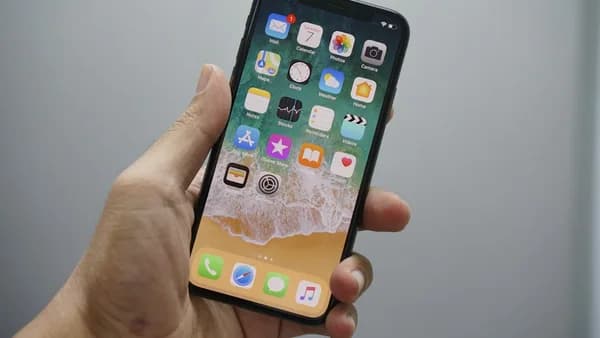
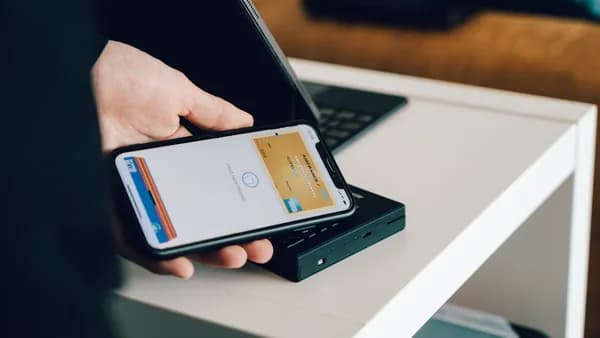
Apple is reportedly building an iPhone anti-snatching lock that would shut down access when a device is grabbed while unlocked — the precise moment existing lost-phone tools are weakest.
That shift matters because the attack is not remote. It is physical, fast, and aimed at the few seconds when the phone is already open. Smartphone theft has “risen steadily for years,” with phone snatching increasing in particular, according to Notebookcheck, which cites new findings in iOS code from 9to5Mac.
Apple Is Targeting the Moment After the Grab, Not the Hours After the Loss
The reported feature would bring the iPhone closer to Android’s Theft Detection Lock, a system designed to detect when a phone has been ripped from a user’s hand and lock it automatically.
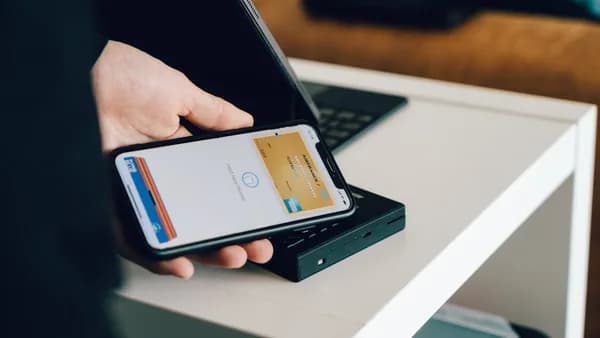
That is a different security problem from a misplaced phone. If a thief snatches an unlocked device, they may already have access to sensitive apps and data like Apple Wallet digital IDs. Notebookcheck specifically flags one high-risk pathway: codes sent by text message or email during two-factor authentication.
“Apple is reportedly working on a feature that will automatically lock an iPhone if it is stolen from the user’s hands.”
That line, echoed in related reporting, captures the strategic change. The phone is no longer just defending against someone who finds it later. It is trying to react during the theft itself.
MLXIO analysis: this is Apple moving from account protection toward real-world crime interruption. The target is not just the stolen hardware. It is the unlocked session.
The Likely System: Motion Signals, Watch Distance, and Familiar Places
The core detection method appears to be sensor-driven. Notebookcheck says Apple would use data from several sensors, “especially the accelerometer,” to recognize the movement pattern of a snatched iPhone.
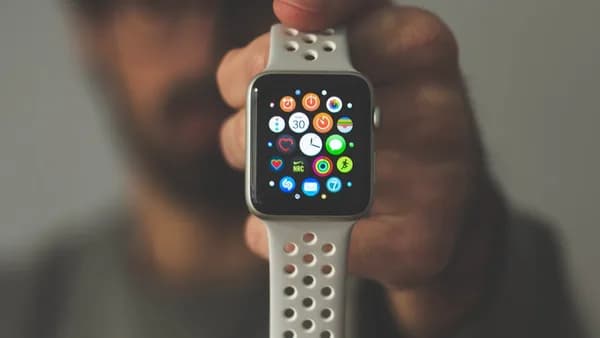
If the user is wearing an Apple Watch, Apple may also estimate the distance between the watch and the phone using Bluetooth signal strength. That gives the system another clue: did the phone suddenly move away from the owner?
A simplified comparison shows where Apple appears to be heading:
| Protection layer | Android model cited in reports | Reported Apple direction |
|---|---|---|
| Snatch detection | Theft Detection Lock detects sudden theft-like movement | iPhone feature reportedly uses accelerometer and other sensor data |
| Owner proximity | Android uses a combination of signals | Apple may use Apple Watch Bluetooth distance as an added clue |
| Location context | Familiar/unfamiliar context can affect protections | Apple may check known Wi-Fi networks and stored places like home or work |
| Result | Automatic lock to block access | Automatic lock plus tighter restrictions on sensitive settings |
The important part is not the sensor list. It is the decision chain. A sudden movement alone could create false locks. A sudden movement plus separation from an Apple Watch plus an unfamiliar location is a stronger signal.
That helps explain why Apple may tie the feature to existing Stolen Device Protection rules. If theft is detected away from known Wi-Fi networks or stored locations, Notebookcheck says extra locks would make it harder to access sensitive data and especially to change passwords.
This follows the same logic we covered in iPhone Anti-Snatching Lock Steals Thieves’ Golden Seconds: in a snatch-and-run theft, the first seconds decide whether the thief gets an unlocked device or a sealed one.
Android Got There First, and Apple Appears to Be Closing the Gap
Android 15 already includes Theft Detection Lock, according to the related reports. Android Authority describes it as using AI and motion sensors to detect movements associated with someone grabbing a phone and moving away quickly, whether running, biking, or driving.
Apple’s reported version sounds similar, but not identical. The Apple Watch link could be a meaningful differentiator if it reduces accidental locks. The familiar-location logic also matters because a phone moving quickly inside a known place is not the same risk as a phone suddenly moving away on a street.
MLXIO analysis: Apple is not just copying a feature label. It is trying to fit theft detection into the iPhone’s broader trust model: sensors, nearby devices, location context, and restricted access to account-changing actions.
That design choice reflects the central tension. Lock too slowly, and the thief gets the opening. Lock too aggressively, and users start fighting their own phones during ordinary movement.
The Hard Data Is Thin, but the Direction Is Clear
The source material does not provide theft counts, city-level law-enforcement data, insurance loss figures, or fraud totals. That limits how far the financial analysis can go.
The available factual markers are still useful:
- Trend: Notebookcheck says smartphone thefts have risen steadily for years.
- Attack type: Phone snatching is specifically described as being on the rise.
- Comparable feature: Android already offers Theft Detection Lock.
- Apple target: 9to5Mac reportedly found clues in iOS code.
- Possible release window: Notebookcheck says a launch as part of iOS 27 in September is conceivable, but not confirmed.
- Possible device context: The report references devices such as the iPhone 17.
The absence of hard theft numbers should keep expectations grounded. This is not yet an Apple announcement. It is code-level evidence and reporting around active development.
Still, the security logic is clear. A locked stolen phone and an unlocked stolen phone are different assets. The latter can expose accounts before the owner has time to react.
The Winners Are Users Who Lose Seconds; the Risk Is False Locking
For users, the upside is obvious: automatic locking can cut off access during the most dangerous moment. The thief wants an open screen. The feature’s job is to remove it.
For Apple, the benefit is also strategic. It gives the company a stronger answer to a theft pattern that Find My and Stolen Device Protection only partly address, based on the supplied reports. Find My helps after loss. Stolen Device Protection restricts certain sensitive settings away from familiar places. A snatch-detection lock acts earlier.
But there are trade-offs.
A phone can move abruptly for legitimate reasons. Someone may run for transit, cycle with the phone in hand, stumble in a crowd, or pass the device to another person. The reports do not say how Apple will tune sensitivity, whether users can disable the feature, or how quickly the lock would trigger.
MLXIO analysis: the Apple Watch signal may be Apple’s answer to that problem. If the phone moves sharply but stays near the wearer, that looks less like theft. If it moves sharply and Bluetooth signal strength suggests separation, the risk score changes.
This security push also lands as Apple keeps expanding the iPhone’s role in identity and credentials, a theme visible in Apple Wallet Digital ID Escapes TSA for Age Checks. The more sensitive the phone becomes, the more damaging an unlocked theft can be.
Developers May Need to Treat “Recently Snatched” as a Security State
The supplied reports do not say Apple will expose a new developer API. They do not say banking, messaging, crypto, or email apps will receive a specific signal from iOS.
But if Apple builds a meaningful theft-detection layer, app developers should watch closely. Sensitive apps already make choices about when to require authentication. A system-level anti-snatching state could eventually influence those choices, if Apple allows it.
For now, the only confirmed direction is OS-level restriction: lock the phone, block access to sensitive data, and make password changes harder when the theft appears to happen away from familiar locations.
That is enough to shift the burden. Instead of every app guessing whether it should challenge the user again, the operating system can react to the physical event.
September Is the Earliest Plausible Checkpoint, Not a Promise
Notebookcheck says it is not yet known when the new anti-theft features will arrive. Because 9to5Mac reportedly found clues in iOS code, a launch with iOS 27 in September is described as conceivable.
The watch items are narrow:
- Release timing: Does Apple announce the feature with iOS 27, delay it, or keep it internal?
- Trigger design: Does it rely mainly on accelerometer data, or combine motion with Apple Watch distance and familiar-location checks?
- User control: Can users tune or disable it?
- Lock depth: Does it only lock the screen, or does it also activate the reported extra restrictions on sensitive settings?
- False positives: Does Apple prevent accidental locks during ordinary movement?
The thesis will strengthen if Apple ships a system that locks fast, uses multiple signals, and limits password changes after suspicious movement away from familiar places. It will weaken if the feature proves too sensitive, too slow, or too buried in settings to matter during an actual snatch.
The next iPhone security battle is not about finding the phone after it disappears. It is about killing the thief’s access before the stolen unlocked screen becomes the real prize.
Key Takeaways
- The feature targets the dangerous moment when a stolen phone is still unlocked.
- It could reduce exposure of sensitive apps, messages, and two-factor authentication codes.
- Apple appears to be shifting iPhone security toward real-time physical theft response.