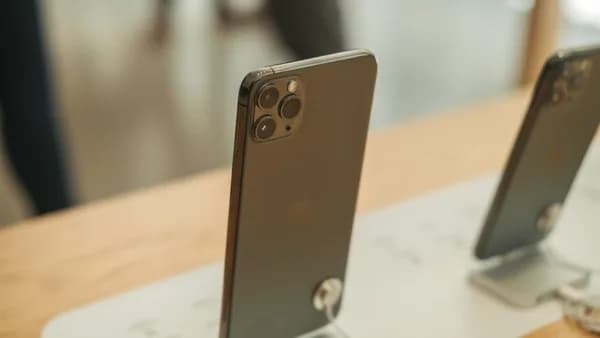
Apple’s rumored iPhone 18 calendar shift signals something larger than a delayed base model: flagship phones may be moving into a Pro-first era, and Android brands appear ready to follow. The leak covered by Notebookcheck says Apple is expected to launch the iPhone 18 Pro, iPhone 18 Pro Max, and a foldable iPhone Ultra in September 2026, while pushing the standard iPhone 18 into spring 2027.
That would be a real break from the familiar annual flagship rhythm. The more important twist is not just Apple’s timing. It is the claim that Android phone-makers may copy the strategy, with Xiaomi reportedly first in line through a split Xiaomi 18 release.
If the leak holds, the industry’s main launch season could stop being about full lineups. It could become a premium showcase first, followed months later by standard models designed to reopen the sales cycle.
Apple’s iPhone 18 split-launch gamble could turn Android’s calendar upside down
The thesis: Apple may be turning launch timing into another form of product segmentation. Instead of using one big event to introduce every major model, Apple would reportedly put its most expensive and technically ambitious phones first: the iPhone 18 Pro, iPhone 18 Pro Max, and foldable iPhone Ultra.
Notebookcheck says the latest information points to the 2nm A20 silicon as a likely reason for the delayed standard iPhone 18. That matters because this is not framed only as a marketing experiment. If the chip transition is creating complexity, Apple may be prioritizing the models where the new silicon can support the strongest positioning.
The counterpoint is simple: this is still a leak. Apple has not confirmed the iPhone 18 schedule, and the standard iPhone 18 delay could change before 2026. But the Android reaction described in the report makes the leak more consequential. If rivals start planning around Apple’s rumored calendar before Apple confirms it, the market shift begins before the first product ships.
MLXIO analysis: Xiaomi moving first would signal that Apple’s playbook is being copied at the level of release strategy, not just design cues. That is a deeper form of imitation.
The reported 2026 launch map puts Pro and Ultra models first
The rumored sequence is now fairly clear, even if unconfirmed.
| Brand | First wave expected | Delayed or later wave | Timing described in sources |
|---|---|---|---|
| Apple | iPhone 18 Pro, iPhone 18 Pro Max, foldable iPhone Ultra | Vanilla iPhone 18 | Pro models in September 2026, base model in spring 2027 |
| Xiaomi | Xiaomi 18 Pro, Xiaomi 18 Ultra | Standard Xiaomi 18 variants implied as later | Split release rumored; Pro/Ultra first |
| Xiaomi 17T | Mid-year refresh | Not applicable | Officially confirmed for May 28, moved up by almost four months |
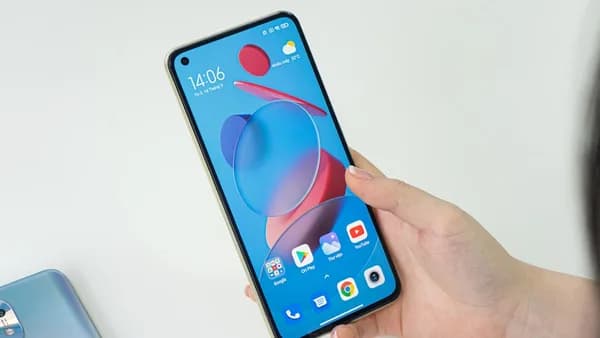
The Xiaomi detail is the sharpest Android signal. Notebookcheck says another leak suggests the Xiaomi 18 Pro and Xiaomi 18 Ultra would arrive first to compete directly with Apple’s Pro-tier iPhones. That would place Xiaomi’s strongest models against Apple’s highest-profile phones, rather than treating the whole Xiaomi 18 family as one synchronized launch.
This differs from the more familiar approach where standard, Pro, Pro Max, and Ultra models appear together or within a tight window. A split release turns the standard phone into a later-cycle product. It may still matter commercially, but it no longer owns the first burst of attention.
The strongest caveat: the Xiaomi 18 plan is also leak-based. Xiaomi has confirmed the May 28 debut of the Xiaomi 17T series, but not a Xiaomi 18 split launch.
The Pro-first math is about attention, complexity, and silicon risk
There are no verified shipment forecasts or model-by-model sales figures in the supplied material, so any financial read has to stay disciplined. Still, the logic behind a Pro-first strategy is visible.
Pro, Pro Max, and Ultra models are the phones companies use to showcase the best cameras, displays, chips, and industrial design. A launch that features only those devices gives the premium tier more oxygen. It removes the immediate comparison with cheaper standard models from the same family.
The reported 2nm A20 issue adds a supply-chain angle. If a new chip creates production complexity, launching fewer models at once can reduce pressure. It can also let Apple allocate early silicon to the devices where the new platform is most central to the sales pitch.
MLXIO analysis: the split-release model also creates two media moments instead of one. The risk is that buyers notice the choreography. If standard iPhone or Xiaomi buyers feel they are being pushed toward pricier models in late 2026, some may simply wait for 2027.
That is the tension. A split launch can concentrate demand. It can also train customers to delay decisions.
Android’s imitation pattern is already visible in colors and launch timing
Notebookcheck points to a recent example of Android brands reacting quickly to Apple: “dozens of orange Android phones” reportedly followed the Cosmic Orange iPhone 17 Pro. The report also says red Android flagships are already in the works to compete with Apple’s rumored Dark Cherry colorway for the iPhone 18 Pro.
That color rumor tracks with our earlier coverage of how Dark Cherry grabbed the iPhone 18 Pro color spotlight. Colors are a surface-level signal, but launch timing is more structural. Copying a finish is cheap. Rebuilding a release calendar affects product planning, marketing, and channel timing.
The industry has already become more tiered in the language used by brands: Pro, Ultra, foldables, and special editions now carry the marketing load. The Notebookcheck leak suggests the calendar may now reflect that hierarchy more explicitly.
Apple’s software roadmap is a separate track, and it should not be blurred with this hardware leak. For readers following that side of Apple’s 2026 story, our analysis of WWDC 2026 and Apple’s OS pressure points covers a different set of questions. The iPhone 18 report is about product timing.
Xiaomi could gain focus, but standard-phone buyers may lose clarity
If Xiaomi copies Apple’s iPhone 18 release playbook, the winners are likely the models at the top of the stack. The Xiaomi 18 Pro and Xiaomi 18 Ultra would get a cleaner stage, with less risk of being framed as merely expensive versions of the standard Xiaomi 18.
Consumers get a mixed deal. Enthusiasts may see the most advanced devices earlier. Buyers who prefer standard flagship models may face a longer wait or a more awkward decision: buy the Pro now, wait for the base model later, or choose from another brand’s lineup.
Retailers and carriers are not detailed in the source material, so any channel impact is inference. But split launches would logically create two promotional windows rather than one. That can help sustain attention, yet it can also make lineups harder to explain.
Competitors are named only broadly in the supplied material, with Notebookcheck suggesting Chinese OEMs and “maybe even Google and Samsung” could follow a gradual flagship cycle. That wording matters. It is not evidence that Samsung or Google has decided to copy Apple. It is a signal that tipsters expect the pressure to spread.
A delayed standard iPhone 18 could make 2027 part of the 2026 launch cycle
For buyers, the practical implication is timing. If the standard iPhone 18 lands in spring 2027, then the iPhone 18 generation would no longer be a single-season event. The same could apply to Xiaomi 18 if its standard variants arrive after the Pro and Ultra models.
That blurs generational branding. A buyer comparing phones in early 2027 could be looking at a standard iPhone 18 launched months after the iPhone 18 Pro, plus Android models that followed a similar split. The model number says one generation. The release dates say two.
MLXIO analysis: this is where split launches can either strengthen premium strategy or create confusion. If the first wave feels meaningfully more advanced, Pro-first works. If the later standard model feels late rather than deliberate, the strategy weakens.
The 2026 test is whether Pro-first launches create demand or delay it
The key watch item is not whether every Android brand immediately copies Apple. The source does not support that. The sharper question is whether Xiaomi validates the split-launch template quickly enough for others to test it.
Evidence that would support the thesis:
- Confirmed timing: Apple launches Pro-tier iPhone 18 models in 2026 and standard iPhone 18 in 2027.
- Xiaomi confirmation: Xiaomi separates Xiaomi 18 Pro/Ultra from standard Xiaomi 18 models.
- Broader imitation: More Android OEMs move Pro and Ultra models into the first wave while holding standard models for later.
- Clear differentiation: First-wave phones reserve the strongest chips, cameras, foldable hardware, or AI features.
Evidence that would weaken it is just as important: Apple keeps the iPhone 18 family together, Xiaomi launches the full Xiaomi 18 series at once, or buyers reject the split by waiting for standard models.
For now, the leak points to a plausible 2026 shift: premium phones become the main launch event, and standard flagships become mid-cycle weapons. That would not just copy Apple’s next iPhone. It would copy Apple’s control over the calendar.
The Bottom Line
- Flagship phone launches may shift from full-lineup events to premium-first rollouts.
- Android brands could follow Apple’s timing strategy, changing the competitive launch calendar.
- Consumers may see standard models arrive months after Pro and foldable devices.