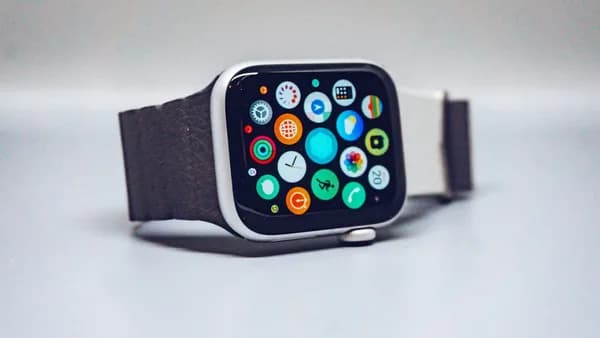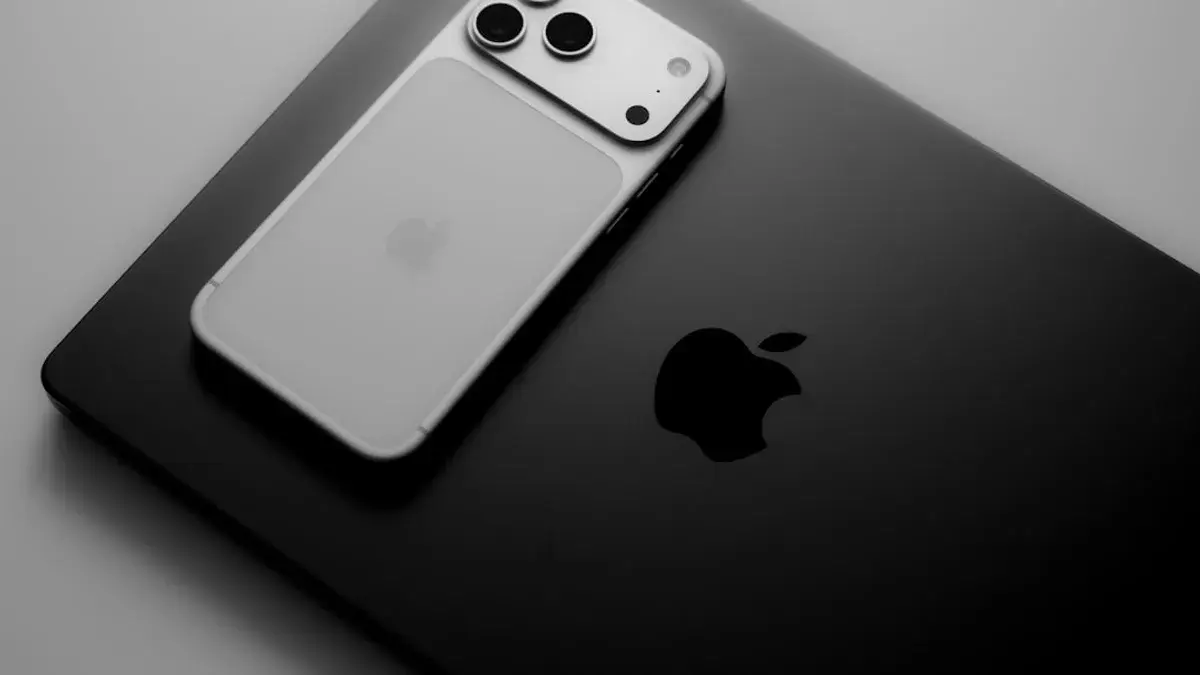
On July 2, 2026, the most revealing Apple rumor was not a single new device. It was the timing: Apple may be stacking the iPad Pro, a redesigned 14-inch MacBook Pro, the iPhone 18, iPhone 18e, and iPhone Air 2 into the first half of 2027.
That points to a launch calendar under pressure, not just a routine refresh cycle. The next iPad Pro is expected in spring 2027, with the same 11-inch and 13-inch sizes but faster internals, according to Notebookcheck, citing Bloomberg.
July 2 Report Signals a Crowded Spring 2027 Apple Calendar
The reported plan would make spring 2027 unusually dense for Apple hardware. Notebookcheck says the period could include a new 14-inch MacBook Pro with an Apple M7 chip and a design aligned with the high-end Apple MacBook Ultra, plus the next iPad Pro and several iPhone models.
The iPhone timing is the most disruptive piece. Apple is reportedly postponing the standard iPhone 18 until early 2027 so it can focus its September lineup on the iPhone 18 Pro Max and iPhone Ultra. The iPhone 18e and successor to the iPhone Air are also expected in the same spring window.
That creates a product-attention problem. A faster iPad Pro would normally command a clean launch narrative. In this reported calendar, it may have to compete with a redesigned MacBook Pro and multiple iPhones.
MLXIO analysis: The deeper signal is that Apple may be trying to spread high-profile launches beyond the traditional fall iPhone window. That could give each category more room — but only if Apple avoids turning spring into a second fall.
Spring 2027 iPad Pro Looks Like a Performance Reset, Not a Redesign
The next iPad Pro is not expected to change much on the outside. Notebookcheck says it should keep the current design and the same 11-inch or 13-inch display options. The real change is expected inside.
The open question is silicon. The tablet could use either Apple M6 or Apple M7. MacRumors reports that both chips are expected to use Apple’s new 2-nanometer process, while the M7 would add AI optimizations that the M6 does not include.
That distinction matters. If Apple ships the iPad Pro with M7, the device becomes part of a broader AI-performance transition. If it ships with M6, the upgrade may still be meaningful, but less clearly positioned around Apple’s next AI silicon step.
Apple has also reportedly tested vapor chamber cooling for the iPad Pro. Bloomberg has not said Apple made a final decision on that system, and Notebookcheck says the cooling choice remains unresolved.
“The updates will largely focus on internal improvements, including faster chips. Apple has previously tested a vapor chamber cooling system for the tablets, to improve sustained performance and reduce overheating,” Bloomberg reported, according to 9to5Mac.
The bigger issue is not raw speed alone. MLXIO analysis: A faster iPad Pro only becomes strategically interesting if Apple can show why that power changes real workflows. Otherwise, the product risks repeating a familiar pattern: premium tablet hardware waiting for software and use cases to catch up.
For readers tracking how the iPad is being pulled closer to Mac-style workflows, MLXIO has also covered 120fps Mac Streaming Lands on iPad With Mirage App. On the software-support side, see Apple Axes 16 Devices, Spares Every iPhone on iOS 27.
The Numbers Behind the 2027 Timing Are Small but Telling
There are not many hard numbers in the report, but the ones available shape the story.
| Product | Reported timing | Reported change |
|---|---|---|
| iPad Pro | Spring 2027 | Same 11-inch and 13-inch sizes; faster internals |
| MacBook Pro | As early as first half of 2027 | New 14-inch design; possible M7 |
| iPhone 18 | Early 2027 | Reportedly shifted from September focus |
| iPhone Air 2 | Spring 2027 | A20 Pro, ultra-wide camera, longer battery life |
9to5Mac adds that Apple is testing four new iPad Pro models, still tied to the current 11-inch and 13-inch sizes. It also says Apple last updated the iPad Pro lineup in October 2025 with the M5 chip.
Pricing is another pressure point. 9to5Mac says Apple raised the starting price of the 11-inch iPad Pro from $999 to $1,199, while the 13-inch model increased from $1,299 to $1,499.
MLXIO analysis: Those prices raise the bar for the next upgrade. If the 2027 iPad Pro keeps the same design, Apple will need performance, battery life, cooling, or AI capability to carry the sales pitch.
M7 Timing Could Tie the iPad Pro and MacBook Pro Together
The rumored M7 schedule is the hinge. 9to5Mac says Bloomberg reports Apple is aiming to debut the M7 processor “as early as the first half of 2027,” with the transition from M6 reportedly accelerated to better support demanding AI workloads.
That creates a possible split outcome:
- If M7 is ready: the 2027 iPad Pro could launch as a more future-facing AI device.
- If M7 slips: Apple could use M6 instead, making the update more conventional.
- If vapor chamber cooling ships: Apple can frame sustained performance as part of the upgrade.
- If cooling is dropped: the performance story depends more heavily on the chip alone.
The redesigned 14-inch MacBook Pro adds another wrinkle. Bloomberg reportedly says Apple has a revamped entry-level MacBook Pro, code-named K104, planned for as early as the first half of 2027. 9to5Mac also says Apple had already finished work months ago on a refreshed model code-named J804 with the current design and a new base M6 chip.
That suggests Apple may have more than one MacBook Pro path in motion. One is a nearer-term M6 refresh. The other is a larger 2027 redesign.
Investors, Developers, and Pro Users Will Not Read This Roadmap the Same Way
For investors, the appeal of a dense spring launch calendar is obvious in theory: more hardware catalysts outside the fall quarter. But the source material also flags risk. iClarified says Bloomberg noted that memory and silicon shortages could still pressure Apple’s roadmap.
For developers, the key variable is not the product count. It is whether the reported M7 and A20 Pro upgrades arrive with enough AI capability to justify app optimization work. The iPhone Air 2 is rumored to receive the Apple A20 Pro ARM chip, an ultra-wide camera, and longer battery life. Notebookcheck says it is unclear whether that battery improvement would come from more efficient hardware, a larger battery, or both.
For pro users, the decision could become harder. A same-design iPad Pro with stronger silicon may appeal to users who already prefer tablet workflows. A redesigned MacBook Pro could pull attention from buyers who want a more traditional machine with a new chassis.
MLXIO analysis: The risk is product overlap. If Apple launches a high-end iPad Pro and a redesigned MacBook Pro too close together, some buyers may pause rather than upgrade immediately. The products do not need to be substitutes for that hesitation to matter.
Spring 2027 Could Make Apple Buying Decisions More Complicated
Anyone considering a premium Apple device over the next 12 to 24 months now has a more complicated calendar to weigh.
A current iPad Pro buyer may be looking at a device that was last updated in October 2025, with a successor reportedly planned for spring 2027. A MacBook Pro buyer may have to choose between a current-design M6 refresh and a later redesigned model. A premium iPhone buyer may see the standard iPhone 18 move into spring while the iPhone 18 Pro (Max) and iPhone Ultra remain tied to September focus.
That does not mean buyers should freeze. It means the category matters.
- iPad Pro buyers: the reported 2027 upgrade looks performance-first, not design-first.
- MacBook Pro buyers: the redesign may be the bigger reason to wait, if the report holds.
- iPhone buyers: Apple’s reported split between September and spring could make model timing more important than usual.
For broader Apple context, MLXIO has tracked the company’s hardware momentum in Apple Grabs Record Market Share as Rivals Crack, while our iPhone Ultra launch timing coverage is relevant to the reported September focus for Apple’s highest-end iPhone.
The Next Decision Point Is Apple’s Chip Choice
The 2027 iPad Pro story will turn on three decisions: M6 or M7, vapor chamber or no vapor chamber, and whether Apple gives the device software reasons to justify another premium upgrade.
The strongest version of the reported roadmap is clear. Apple ships M7 across key devices, emphasizes AI performance and battery efficiency, and staggers spring announcements enough that the iPad Pro, MacBook Pro, and iPhones each get their own narrative.
The weaker version is also clear. Apple ships impressive hardware into an overcrowded window, but buyers struggle to see which premium device fits their needs.
For now, the evidence supports a narrower thesis: Apple’s early 2027 hardware calendar is shaping up around internal performance gains and product-timing changes, not a dramatic iPad redesign. The next confirmation point will be whether Bloomberg’s reported M7 schedule holds — and whether the iPad Pro gets that chip or settles for M6.
The Bottom Line
- Apple may be shifting major launches beyond its traditional September iPhone cycle.
- A crowded spring 2027 lineup could make it harder for the iPad Pro to stand out.
- The timing suggests Apple is managing product attention as much as hardware upgrades.