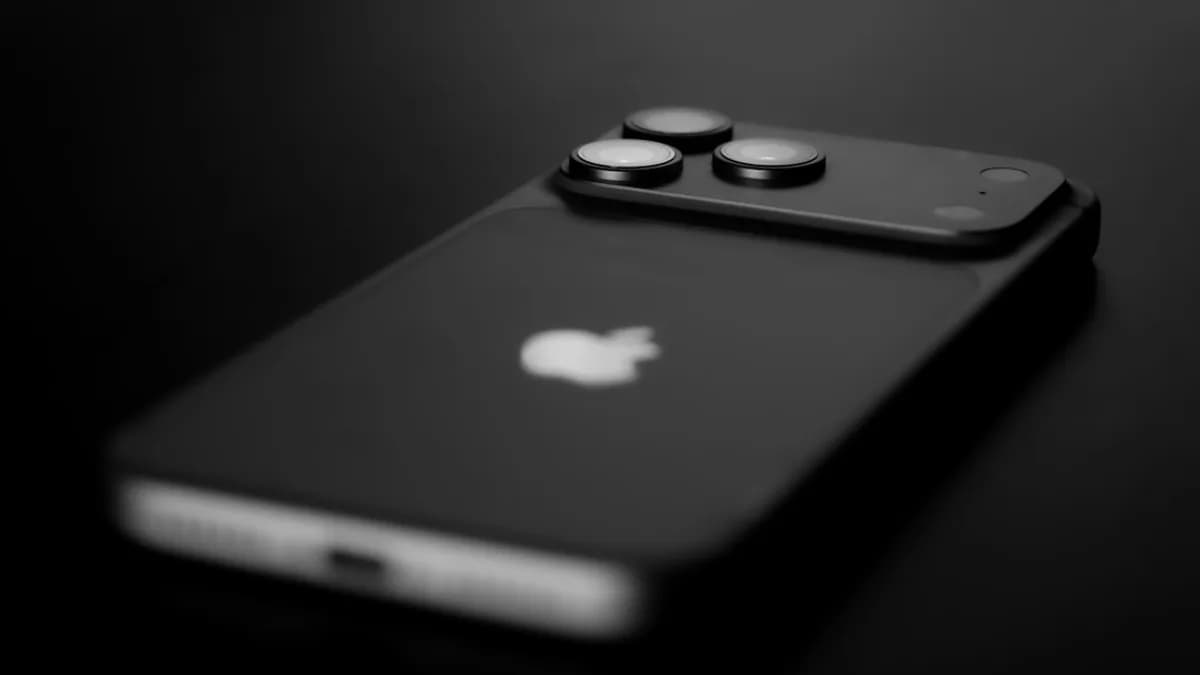
Apple has not announced the iPhone 18, yet the June 30 Apple news cycle is already treating the 2026 lineup as the next pressure test for the company’s hardware strategy.
That tension sits at the center of the latest 9to5Mac Daily episode, which recaps the day’s Apple headlines around “iPhone 18 and Ultra rumors,” according to 9to5Mac . The original post is a podcast entry, not a full written leak report, so the useful read is not “Apple confirmed X.” It is that iPhone 18 and a possible iPhone Ultra have become the connective tissue for Apple speculation well before any official launch.
The gap matters. A daily recap format compresses scattered reporting into a single Apple briefing. That can clarify the signal. It can also make early rumors feel firmer than they are.
June 30 Apple Daily Recap Turns a Future iPhone Into Today’s Main Story
The expected rhythm would be simple: Apple announces products, then the market reacts. The reality is messier. Apple’s next iPhone cycle is already being shaped by rumor threads, podcast recaps, beta-code discoveries, supply-chain notes, and analyst calls.
9to5Mac Daily positions the June 30 conversation around two related but distinct ideas:
- iPhone 18: the next core flagship cycle.
- iPhone Ultra: a rumored higher-end device that could sit above the familiar iPhone tiers.
That distinction is important. Treating “iPhone 18” and “Ultra” as one story flattens the stakes. The standard iPhone rumor cycle is about annual iteration. The Ultra rumor is about whether Apple creates a new top-end category with a different form factor, price band, and compromise set.
The original 9to5Mac post also makes clear this is an audio recap. It points listeners to Apple Podcasts, iTunes, Stitcher, TuneIn, Google Play, and an RSS feed for podcast players such as Overcast. That format rewards speed, but it also makes sourcing discipline more important.
iPhone 18 Chatter Is Broad, but the Confirmed Details Are Thin
The assumption around a future iPhone cycle is that the usual categories will dominate: design, display, chip roadmap, cameras, battery efficiency, and lineup changes. The June 30 recap flags iPhone 18 rumors as part of the day’s Apple conversation, but the provided 9to5Mac source does not spell out specific iPhone 18 hardware claims.
That is the first constraint readers should keep in mind. The headline tells us the subject. It does not verify a spec sheet.
MLXIO analysis: The signal here is editorial prioritization. When a daily Apple briefing elevates iPhone 18 chatter this early, it shows that the next cycle is already absorbing attention that would otherwise sit with current products, Apple iWork updates, software betas, or Apple Arcade’s latest games. That does not make any individual claim true. It does make the rumor track worth watching.
A practical way to read this stage of the cycle:
- Before: iPhone 18 is a future product label with no public Apple confirmation.
- Now: daily Apple coverage is bundling it into the active news flow.
- Risk: listeners may mistake repeated discussion for confirmation.
- Useful takeaway: separate the existence of a rumor thread from the accuracy of each rumored feature.
This is also where software clues can pull hardware speculation forward. For related context on how Apple software cycles feed the daily news loop, see MLXIO’s coverage of iOS 27 Hype Turns 9to5Mac Daily Into Apple News Radio and iOS 27 Apps Grab Spotlight as Beats Firmware Fix Lands.
The Ultra Rumor Is a Different Bet Than a Normal Flagship Refresh
The iPhone Ultra rumor carries a different strategic weight because it points to a possible device above the normal iPhone range, not just another annual upgrade.
Related reporting from Macworld says Apple’s rumored foldable iPhone Ultra may launch in September 2026, with a book-style design, a 7.7–7.8-inch internal display, and a 5.3–5.5-inch external display. Macworld also reports expected pricing of $1,999–$2,399, while CNET cites analyst expectations that the device could cost between $2,000 and $2,500.
That is not a rounding error. If those ranges prove accurate, the rumored Ultra would sit in a price class that forces clearer differentiation from the Pro models.
Macworld also points to iOS 27 code references as one of the stronger signals that Apple is developing foldable functionality. The reported variables are specific:
“foldState” and “angleDegrees”
Those labels matter because they suggest software awareness of whether a device is folded and at what angle. Macworld says it independently confirmed the findings. Still, code references are not launch guarantees. They are evidence of development work, not a retail commitment.
| Rumor track | Reported signal | Strategic meaning | Main caveat |
|---|---|---|---|
| iPhone 18 | Mentioned in the June 30 9to5Mac Daily recap | Keeps Apple’s next standard flagship cycle in the news flow | No detailed specs in the supplied 9to5Mac source |
| iPhone Ultra | Macworld reports foldable design, September 2026 target, and iOS 27 code clues | Could create a more expensive top tier | Apple has not confirmed the product |
| Foldable design | Macworld and CNET describe a book-style format | Could blur iPhone and small-tablet use cases | Reported trade-offs include possible camera and biometric compromises |
The rumored compromises are as telling as the headline features. Macworld says the foldable design may lack Face ID, relying instead on Touch ID in the side button, and may drop the telephoto camera because of space constraints. For a device rumored to cost above $1,999, those would be sharp trade-offs.
Apple’s Rumor Machine Now Runs Between Launch Events
The old assumption was that Apple attention peaked around keynote season. The current reality is more continuous. Daily shows, beta-code discoveries, and supply-chain reporting keep the next hardware cycle alive long before Apple speaks.
MLXIO analysis: Different audiences use these signals differently, but none should treat them as equal to confirmation.
- Consumers may use recurring rumors to decide whether to hold an upgrade.
- Developers may watch for display, input, and device-state clues that affect app behavior.
- Accessory makers may care about form factor rumors, hinge designs, and charging changes.
- Investors may track whether Apple is preparing a higher-priced tier that could affect mix.
Those are reasonable use cases for early reporting. They are not proof that any one rumor will ship.
The tension is rumor fatigue. Macworld itself warns that foldable iPhone rumors have circulated for years, with prior expectations sliding from 2020 to later dates and now 2026. That history argues for caution even when the details become more specific.
For readers tracking the software side of this, MLXIO’s iOS 27 Indexing Stuck? Your Mac Reveals the Truth is useful context: beta-era Apple clues can be meaningful, but they often require careful interpretation.
Daily Podcast Briefings Turn Speculation Into a Faster Apple News Loop
The 9to5Mac Daily format changes how these rumors land. A written leak report asks readers to sit with sourcing and caveats. A daily audio recap packages the headline flow into something listeners can absorb quickly.
That distribution matters. The June 30 episode is available through Apple Podcasts, iTunes, Stitcher, TuneIn, Google Play, and a dedicated RSS feed. In other words, the rumor cycle does not wait for readers to open a long article. It follows them into podcast queues.
The post also includes a sponsor note from Backblaze:
“Backup you can rely on. Save 20% with code 9to5daily.”
That sponsorship is not the editorial story. But it reinforces the structure of the product: a recurring Apple briefing built for habit, not a one-off deep dive.
The benefit is speed. The risk is compression. When a recap bundles iPhone 18, Ultra, and other headlines into one feed item, listeners get the shape of the day quickly, but they still need to separate confirmed facts from directional reporting.
The bigger picture
The June 30 Apple roundup signals a larger shift in the 2026 iPhone conversation: the next cycle is not only about the iPhone 18. It is about whether Apple adds a more expensive, more experimental top tier around a rumored iPhone Ultra.
CNET frames Apple as late to foldables relative to other major smartphone makers and cites expectations that a foldable iPhone could arrive as early as September 2026. It also notes that leaks point to a book-style design and possible pricing north of $2,000. Macworld’s reporting adds more shape: large inner display, smaller outer display, possible A20 chip, and iOS 27 references tied to fold states.
The practical read is narrower than the hype. Watch four things:
- Branding: whether “Ultra” sticks or remains rumor shorthand.
- Timing: whether September 2026 holds, or whether reported supply constraints push availability later.
- Trade-offs: whether Apple accepts missing Face ID or telephoto on a premium device.
- Software clues: whether iOS 27 continues to expose foldable-related behavior.
For now, the most important fact is not that Apple has a confirmed foldable iPhone. It does not. The important fact is that daily Apple coverage is already organizing the 2026 story around a split path: an expected iPhone 18 cycle on one side, and a potentially higher-priced iPhone Ultra bet on the other.
The Bottom Line
- Early iPhone 18 and Ultra rumors show how Apple’s future hardware strategy is already shaping investor and consumer expectations.
- A podcast recap can amplify scattered leaks, making speculation feel more concrete than confirmed reporting.
- The rumored iPhone Ultra would matter because it could push Apple into a new premium tier beyond the standard flagship lineup.