The iPhone 18 Pro Should Get Thicker If Apple Spends Every Millimeter Wisely
A rumored thicker iPhone 18 Pro Max may only move the battery from 5,088mAh in the iPhone 17 Pro Max to somewhere between 5,100 and 5,200mAh, with a reported 3g weight increase — and I’d still take that trade.
That is the design argument now facing Apple. The iPhone 18 Pro is expected this fall, and rumors point to a continuation of the thicker-and-heavier direction that began with the iPhone 17 Pro, according to 9to5Mac . The old instinct was to recoil. Mine was, too. Pro iPhones already felt dense enough.
But the case has changed. If Apple uses the added volume for battery life, sustained performance, better hardware packaging, and everyday reliability, a thicker Pro iPhone is not a retreat. It is the right kind of maturity.
Apple’s Thinness Obsession Has Stopped Being the iPhone’s Most Important Feature
The iPhone Air changes the argument. 9to5Mac’s Ryan Christoffel makes the cleanest version of the case: once Apple ships an ultra-thin model, the Pro line no longer has to pretend it serves the same customer.
“Because the iPhone Air exists, it makes perfect sense for Apple to push its Pro models further into ‘pro’ territory.”
That is the key split. The Air can carry the futuristic-thin banner. The Pro can carry the machine-that-lasts-all-day burden.
| Model direction | What it should optimize for |
|---|---|
| iPhone Air | Thinness, lightness, visual novelty |
| iPhone 18 Pro | Battery headroom, performance consistency, camera hardware, durability |
| iPhone 18 Pro Max | Maximum endurance and capability, even if weight rises |
This also connects to the broader iPhone 18 rumor map. For readers tracking Apple’s Pro-first design choices, MLXIO’s related pieces on iPhone 18 pushing Android into a Pro-first fight and the risk that an all-screen iPhone could make iPhone 18 Pro a $1,000 trap sit next to the same question: what should “Pro” actually buy?
A Thicker iPhone 18 Pro Could Finally Make Battery Life Feel Truly Pro
Battery life is the cleanest defense of a thicker iPhone. It is also the least theoretical. Forbes, citing prior leaks, reported that a thicker iPhone 18 Pro Max chassis could allow a battery between 5,100 and 5,200mAh, compared with 5,088mAh in the iPhone 17 Pro Max, with a possible 3g weight increase.
That is not a huge jump on paper. But Apple does not need to turn the iPhone into a brick to make the Pro feel more dependable. Even modest extra headroom matters when the device is handling navigation, hotspot use, video capture, gaming, and AI features across a long day.
The deeper point is aging. A phone that feels fine on day one can feel tighter after months of heavy use. More capacity gives Apple more room to absorb battery wear and the load from features that run throughout the day.
Apple already says its latest iPhone models are built for Apple Intelligence, with on-device models and Private Cloud Compute available for more complex requests. If that is the direction of the product, then battery margin stops being a luxury spec. It becomes the floor.
AI Raises the Bar for Cooling, Even if the Rumor Is About Thickness
The sources do not say Apple is making the iPhone 18 Pro thicker for thermal reasons. That matters. We should not turn a chassis rumor into a hidden engineering roadmap.
But as analysis, the pressure is obvious: Apple is selling the iPhone as a camera, a gaming device, a creative tool, and now an AI device. Its own iPhone materials say the A19 and A19 Pro chips include Neural Accelerators in the GPU and speed up AI workflows. Apple also says Apple Intelligence uses models that run entirely on the device for some tasks.
That means peak performance is the wrong metric to obsess over. The better question is whether the device can keep doing hard work without becoming unpleasant to hold or forcing visible compromises.
If added thickness helps Apple manage sustained workloads, users will feel it. If it only produces a slightly bigger number in a presentation, they will not.
The iPhone 17 Pro Design Trend Gives Apple Room to Treat the Camera Honestly
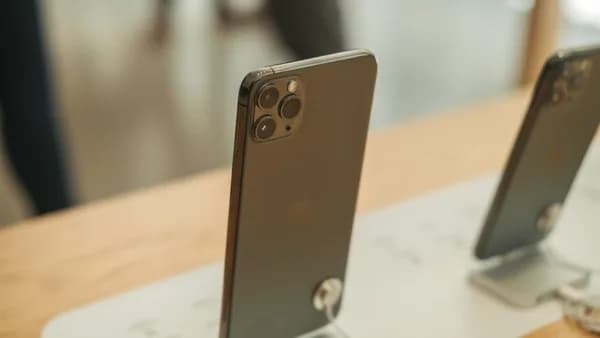
The camera is where Apple’s design tension is most visible. The iPhone 17 Pro introduced a wider rear “plateau,” and Forbes cites reporting that the iPhone 18 Pro may carry over that rectangular plateau while making “minor adjustments to the body materials and design details.”
That suggests Apple is refining, not ripping up, last year’s design. Good. The Pro iPhone should stop pretending advanced camera systems belong in a barely-there slab.
To be clear, the current source material does not prove that a thicker iPhone 18 Pro will improve camera performance. It does not confirm larger sensors, better stabilization, or any specific camera upgrade tied to thickness.
Still, the design logic holds. If Apple is going to keep expanding what the iPhone camera is expected to do, a slightly thicker body may be more honest than a giant bump attached to a thin shell. Balance matters. So does making the hardware feel intentional.
The Case Against a Thicker iPhone 18 Pro Still Deserves Respect
The counterargument is real: Pro iPhones can already feel heavy. Add a case, a MagSafe wallet, or a long reading session, and small changes become noticeable.
A thicker phone also narrows Apple’s margin for error. If the iPhone 18 Pro gains size and weight but users only see marginal battery gains, the move will feel like regression dressed up as engineering confidence.
That is why the iPhone Air matters so much. It gives Apple permission to specialize the lineup. But permission is not a blank check.
Apple has to prove the Pro model is heavier because it does more, not because the company ran out of elegance.
Apple Should Make the iPhone 18 Pro Thicker Only If Users Can Feel the Upgrade Every Day
The standard should be simple. If the iPhone 18 Pro gets thicker, users should feel the payoff before they ever read the spec sheet.
That means better endurance. Less anxiety late in the day. Strong performance during demanding work. A camera system that feels better integrated into the body. Durability claims that match the added physical confidence of the device.
Apple should not market the change as invisible. It should say what the extra millimeters buy. The Pro iPhone does not need to be the thinnest phone Apple can make anymore. The iPhone Air can own that job.
The next Pro iPhone should be judged by a harder standard: not how sleek it looks on a table, but whether it is the iPhone people can depend on when the day gets long.
Key Takeaways
- Apple may be shifting Pro iPhones away from thinness and toward battery life, performance, and durability.
- The iPhone Air could let Apple separate thin-and-light design from Pro-focused capability.
- A small battery gain and reported 3g weight increase raise the question of whether thicker phones deliver enough real-world benefit.