Iran’s Alleged Sea Mines: A Calculated Gamble That Could Upend Global Trade
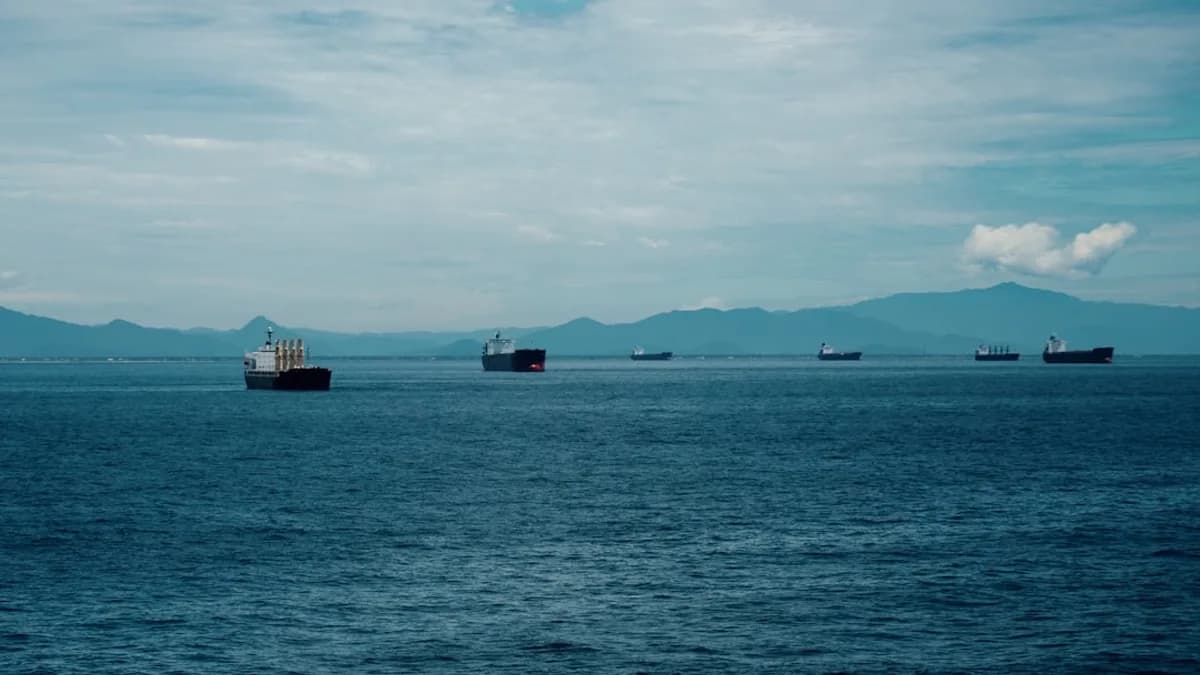
The US envoy’s accusation that Iran has deployed illegal sea mines in the Strait of Hormuz isn’t just saber-rattling; it signals a deliberate escalation that could redraw the map for global energy security. The Strait isn’t merely a shipping lane — it’s the world’s most vital oil artery, with about 20% of total global petroleum passing through daily. Any move to mine these waters, as reported by CryptoBriefing, directly threatens the lifeblood of international commerce.
Iran’s alleged use of sea mines isn’t novel but is particularly provocative now. Mines are notoriously hard to detect and remove, and their mere presence — confirmed or not — spooks insurers, operators, and governments. Risk premiums soar, rerouting becomes necessary, and military escorts multiply. Every ship captain knows: one blast in Hormuz can trigger a domino effect across global supply chains.
For Iran, mines are asymmetric warfare tools—a way to flex without firing missiles or risking direct confrontation. The US, meanwhile, has long treated Hormuz as a red line, stationing fleets nearby and running constant patrols. The stakes are higher than any single cargo: Hormuz is where geopolitics meets economics, and escalation here reverberates from Houston to Shanghai. This dynamic is highlighted in the ongoing US Naval Blockade Costs Iran $435M Daily, Crippling Economy.
Quantifying Hormuz’s Traffic: Disruption Could Cost Billions Overnight
On any given day, nearly 21 million barrels of oil traverse the 21-mile-wide Strait of Hormuz. That’s roughly $1.7 billion in crude shipments, assuming current Brent prices around $80 per barrel. LNG traffic isn’t trivial, either—about 25% of global liquefied natural gas flows through these waters, with Qatar as the dominant player.
History shows what happens when Hormuz is threatened. In 2019, after several tanker attacks attributed to Iran, insurance premiums for vessels surged by over 400%. Freight rates spiked by 50%, and global oil prices jumped 4% in just one week. The 1980s “Tanker War” saw dozens of ships mined or attacked, forcing US-led convoys and costing the industry billions in lost cargo, repairs, and rerouting.
If even a handful of mines are confirmed today, expect immediate delays. A single closure could force longer routes around Africa, adding 10-14 days to transit and $500,000–$1 million per ship in extra fuel and insurance costs. Multiply that by hundreds of vessels, and the global bill climbs fast. For oil traders, supply uncertainty means price spikes, volatility, and hedging chaos. This pattern is reminiscent of the Strait of Hormuz Crisis Sparks 7% Oil Price Surge.
Stakeholder Perspectives: Navigating a Tangle of Interests and Laws
The US government’s response is predictable: maintain “freedom of navigation” at all costs, backed by naval muscle and diplomatic pressure. Washington sees Hormuz as a vital interest, not just for US energy but for allies in Asia and Europe. The accusation of illegal mines serves as ammunition for sanctions, coalition-building, and possible escalation.
Iran’s calculus is more opaque. Tehran claims it’s defending its territorial waters against “hostile actors”—a familiar refrain—but sea mines are also a bargaining chip. By raising the threat level, Iran pressures Western negotiators and regional rivals, hoping to extract concessions or deter military action. The mines are messages as much as weapons. This stance connects to themes discussed in Iran Sparks Global Oil Crisis with Strait of Hormuz Control Law.
Gulf Cooperation Council states like Saudi Arabia and UAE are anxious. Their economies depend on uninterrupted shipping, and any disruption undermines their energy exports and fiscal stability. They push for de-escalation, but are wary of both Iranian aggression and potential US overreaction.
International maritime law is clear: deploying sea mines in peacetime in international waters is prohibited under the Hague Convention. If Iran is proven to violate this, it faces not only US wrath but possible global condemnation. The International Maritime Organization and UN Security Council could demand action, though enforcement remains tricky.
Hormuz Flashpoints: Lessons from Past Maritime Conflicts
Hormuz has been the flashpoint for naval confrontations since the Iran-Iraq War. The “Tanker War” of the late 1980s saw Iran mine the Strait to disrupt Iraqi exports. The US responded with Operation Earnest Will, escorting flagged ships and launching retaliatory strikes—culminating in the destruction of Iranian naval assets in 1988.
Each escalation brought short-term chaos, but eventually forced negotiated settlements. In 2012, Iran threatened to block Hormuz during sanctions pressure, sparking price rallies but ultimately backing down under international scrutiny. The pattern: Iran tests limits, US and allies respond, but full closure is avoided due to catastrophic costs on all sides.
Recurring tactics include mines, fast-attack boats, and drone surveillance. Diplomatic resolutions typically involve third-party mediation, back-channel talks, and partial concession from Iran. But the threat never fully disappears—it’s periodically revived as leverage. These flashpoints were also evident during the Trump Sparks Naval Clash in Hormuz, Iran Threatens Retaliation episode.
Energy Markets and Diplomacy: Why Every Oil Trader Is Watching Hormuz
If tensions continue to mount, expect oil futures to spike. The mere threat of disruption in Hormuz is enough to send Brent up several dollars per barrel—a reality traders watch like hawks. In 2019, following tanker attacks, oil prices rose despite no sustained closure, underscoring market sensitivity.
For energy importers (China, India, Japan, South Korea), even a minor incident can trigger panic buying, strategic reserve releases, and urgent diplomatic outreach. LNG buyers face similar headaches, as Qatar’s gas relies on Hormuz passage.
Diplomatically, rising Hormuz tensions reduce the odds of US-Iran talks. Trust evaporates as both sides posture militarily—a dynamic that torpedoes negotiations over nuclear programs, sanctions relief, and regional security. The Biden administration’s measured approach gives way to hawkish rhetoric when maritime threats escalate.
Broader US foreign policy faces a dilemma: ignore Hormuz and risk emboldening Iran, or overreact and spark wider conflict. Regional partners push for balance, but the margin for error is razor-thin.
Scenarios for Hormuz: Security, Diplomacy, and the Next Moves
Short-term, expect increased US naval presence, more coalition patrols, and expanded surveillance. If mines are confirmed, multinational mine-sweeping operations will likely begin, echoing past joint efforts. Insurance premiums will surge, and some shippers may reroute or delay cargo.
Long-term, several outcomes loom. If Iran doubles down, a limited military confrontation is possible—targeted strikes on Iranian assets, or expanded sanctions. If international actors intervene diplomatically, tensions could cool but only temporarily; the fundamental issues persist.
A worst-case scenario would see a mine strike disrupting oil flows, sparking immediate price surges, and prompting emergency talks at the UN. Energy firms, insurers, and logistics players should prepare for volatility—hedge positions, diversify routes, and monitor naval alerts.
For diplomats, the lesson is clear: Hormuz is a pressure point that Iran will use whenever leverage is needed. Expect cyclical flare-ups, but also periodic de-escalation when costs get too high. The Strait remains the world’s oil bottleneck—and every actor knows its closure is mutually assured economic destruction.
Practical takeaway: If you’re exposed to energy markets, regional shipping, or international security policy, keep Hormuz at the top of your risk radar. The mine accusation isn’t just noise—it’s a signal that the next energy shock could start in these waters.
Impact Analysis
- Disruptions in the Strait of Hormuz threaten the global supply of oil and LNG, impacting energy prices worldwide.
- The deployment of sea mines raises geopolitical tensions and increases risks for shipping companies and insurers.
- Escalating conflict in this region could trigger broader economic instability, affecting trade from the US to Asia.