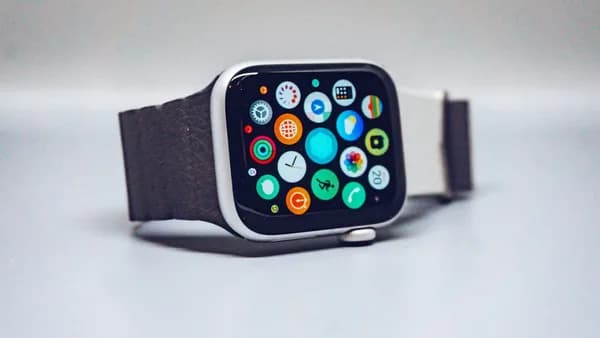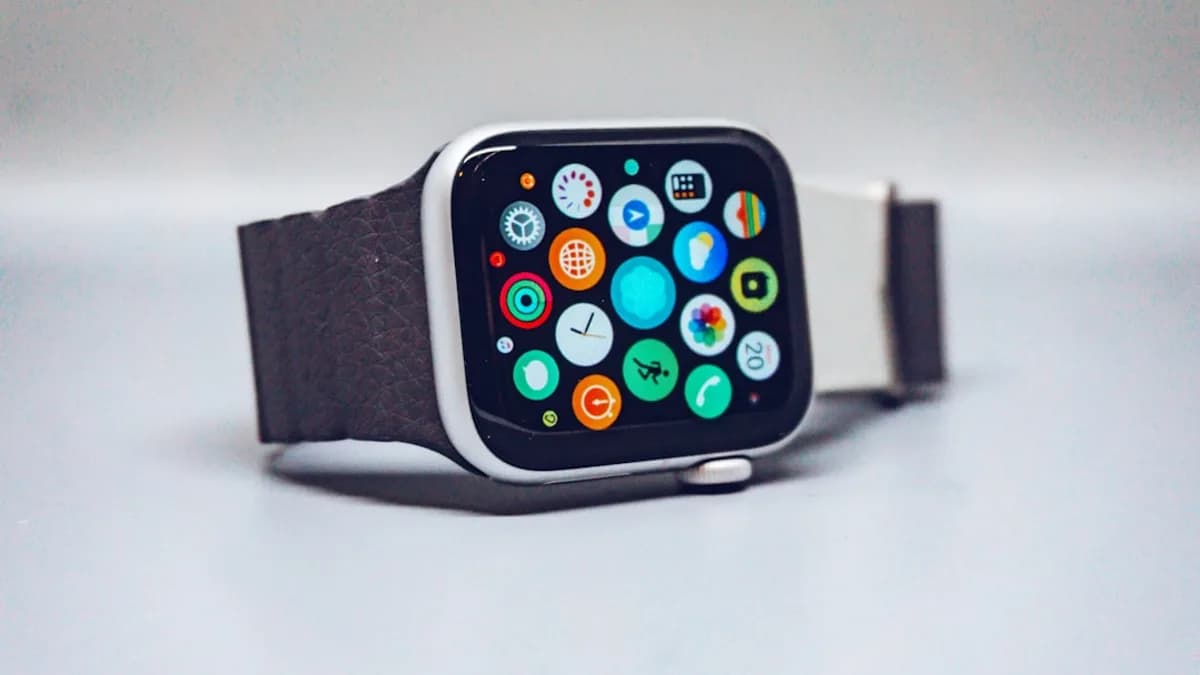
watchOS 27 is not just another Apple Watch update with a few models left behind; it draws a hard line between watches that can participate in Apple’s new Siri AI push and watches that will be kept alive mainly through security support.
Apple is dropping five Apple Watch models from watchOS 27 compatibility: Apple Watch Series 6, Series 7, Series 8, Apple Watch SE (2nd generation), and the first-generation Apple Watch Ultra, according to 9to5Mac. That is a sharp cut because it excludes not only older mainstream models, but also the original Ultra — a device many users likely still see as premium hardware.
The tension is simple. Apple says the cutoff protects experience quality. Owners of still-working watches may see something else: the moment when Siri AI, new gestures, and future-facing watchOS features become an upgrade trigger.
Apple expected continuity, watchOS 27 delivered a hardware filter
Apple’s official compatibility list for watchOS 27 is narrow:
- Apple Watch SE (3rd generation)
- Apple Watch Series 9
- Apple Watch Series 10
- Apple Watch Series 11
- Apple Watch Ultra 2
- Apple Watch Ultra 3
That means the supported baseline starts at Series 9 for the mainline Watch, Ultra 2 for the rugged model, and SE 3 for the lower-cost line. Apple’s own preview page also says watchOS 27 requires iPhone 11 or later or iPhone SE (2nd generation or later) running iOS 27.
Cait Dooley, Apple Watch and Health Product Marketing Manager, framed the decision around performance rather than age.
“With every software release across every single one of our platforms, we always want to ensure that you have the best experience, so we make power and performance a priority.”
She added:
“The great new features in watchOS, including the capabilities of SIri AI and the new tap gesture, work best with the processing power that is in Apple Watch Series 9 and later, Ultra 2 and later, and SE 3.”
That explanation matters because Apple is not saying the unsupported watches stop functioning. It is saying they no longer meet the bar for the version of watchOS Apple wants to ship.
The real cutoff is Siri AI, not the version number
The headline feature in watchOS 27 is Siri AI, which Apple describes as a more capable assistant powered by Apple Intelligence. Apple’s preview says users can ask open-ended questions, brainstorm workout routines, hold back-and-forth conversations, and search personal context such as saved notes or upcoming rental details.
That shifts the Apple Watch from a notification and health-tracking device toward a more active AI interface. For more on the feature strategy, see MLXIO’s earlier analysis, watchOS 27 Bets Apple Watch on Siri AI and Gestures.
Apple is also adding:
- Siri app: A dedicated place to revisit conversations and continue them across devices.
- Dynamic app grid: A redesigned grid that highlights Siri-suggested, popular, and recently used apps.
- Tap gesture: A one-hand gesture for selecting a Smart Stack widget.
- Workout Buddy updates: New insights based on fitness history, including pace, distance, and workout duration.
- Cycle Tracking updates: Perimenopause and menopause support in the Health app.
- Find My changes: Find Devices, Find People, and Find Items folded into a more map-centric Find My app.
MLXIO analysis: Apple’s cutoff is less about whether older watches could display parts of watchOS 27 and more about whether Apple wants to support a split experience where marquee features work poorly, partially, or not at all. The source material supports Apple’s performance rationale, but it does not disclose exact chip, memory, battery, or sensor thresholds behind the decision.
Five models lose the full update, but not all support
The affected-device list is unusually visible because it includes models across three Apple Watch families:
| Status under watchOS 27 | Apple Watch models |
|---|---|
| Lose watchOS 27 support | Series 6, Series 7, Series 8, SE (2nd generation), Ultra (1st generation) |
| Receive watchOS 27 | SE (3rd generation), Series 9, Series 10, Series 11, Ultra 2, Ultra 3 |
Dooley said older Apple Watches can still pair with iPhones running the latest software and will continue receiving security updates. That distinction is important. Unsupported does not mean dead.
It means three different things now diverge:
- Security: Older models continue receiving security updates, according to Apple’s comments.
- Pairing: They can still pair with iPhones running newer software.
- Features: They miss watchOS 27 and its new Siri AI-centered feature set.
For users, that creates a more nuanced decision than “upgrade or stop using the watch.” If a Series 8 or original Ultra still handles daily needs, watchOS 27 does not force immediate replacement. But if Siri AI, the new tap gesture, and future watchOS features are priorities, Apple has made the supported-device boundary explicit.
Apple gets a cleaner watchOS target; users get a shorter feature runway
Apple benefits from a tighter compatibility list. Fewer supported devices can mean fewer performance compromises, simpler testing, and a clearer baseline for features like the Siri app, dynamic app grid, and tap gesture.
Users see the trade-off from the other side. A watch can remain useful for workouts, notifications, and timekeeping while still being locked out of the software path Apple is now emphasizing. That gap is especially awkward for the first-generation Apple Watch Ultra, because “Ultra” branding signals durability and longevity, yet watchOS 27 support now starts with Ultra 2.
Developers also face a split reality. A narrower device base may make it easier to build around newer watchOS capabilities. But apps that depend on watchOS 27 features will not reach owners of the five excluded models. The source material does not quantify that audience, so any estimate of developer impact would be speculation.
The sustainability issue is similar. Apple says older devices will keep working and receiving security updates. Still, when major software features stop arriving, the practical value of working hardware can decline before the physical device fails.
The tap gesture shows why Apple is tightening the line
The new tap gesture is a small feature with a large implication. Apple says users can tap their index finger and thumb together once to select a widget in the Smart Stack, making the Watch easier to use when the other hand is occupied.
That fits the broader watchOS 27 pattern: more wrist-first computing, less dependence on pulling out an iPhone. MLXIO previously covered this shift in watchOS 27 Finally Fixes Apple Watch's Free-Hand Problem.
Apple’s David Clark, senior director of watchOS software engineering, told TechRadar that one goal was to make Apple Watch “a true co-partner to Apple Intelligence,” according to related reporting. He also described continuity between Siri on Apple Watch and Siri on iPhone as a “superpower.”
That is the deeper signal. Apple wants Siri interactions to move across devices without feeling fragmented. If the Watch is part of that chain, Apple needs the wrist experience to feel fast and consistent enough to carry the brand promise.
The practical decision for Apple Watch owners now has three branches
For owners of unsupported models, the next step depends on what they value.
- Keep the watch: Sensible if security updates, pairing with newer iPhones, and existing core functions are enough.
- Wait through beta season: watchOS 27 is in developer beta, with a public beta due in July and broad release planned for the fall.
- Upgrade for the new feature path: Necessary for users who want the full watchOS 27 experience, including Siri AI and the new tap gesture.
Apple’s compatibility move is a preview of how the Watch may evolve from here. The evidence to watch is not just which models get watchOS 28. It is whether Apple keeps tying the most important watchOS features to newer silicon tiers, especially where Apple Intelligence, health insights, and wrist-first interaction overlap.
If older unsupported watches continue getting meaningful security support and remain reliable paired devices, Apple’s case looks stronger. If users quickly hit app gaps or feature dead ends, watchOS 27 will look less like routine platform maintenance and more like the start of a faster Apple Watch replacement cycle.
Impact Analysis
- Apple is using watchOS 27 to separate AI-capable watches from models that will mainly receive security support.
- Owners of still-functional Series 6, Series 7, Series 8, SE 2, and original Ultra models may face earlier-than-expected upgrade pressure.
- The cutoff shows how Siri AI and new interaction features are becoming hardware-driven selling points.