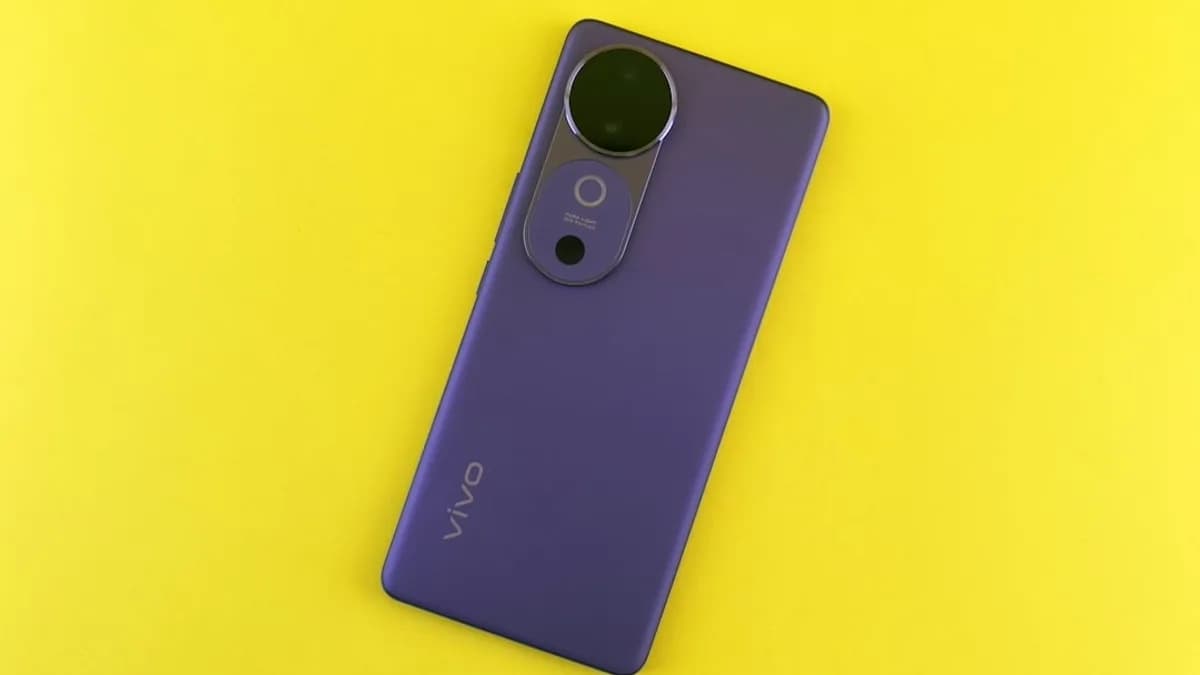
Vivo X300 Ultra’s Early Shortcomings Put Spotlight on Flagship Risks
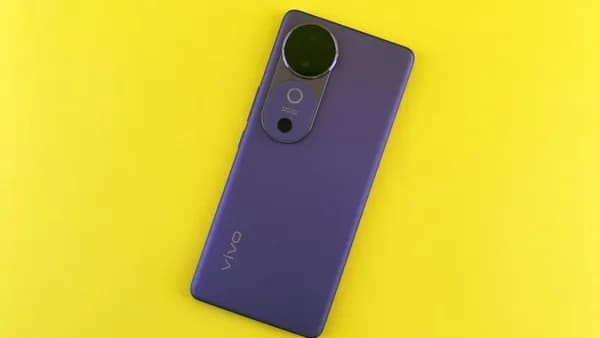
The Vivo X300 Ultra’s initial release didn’t just promise top-tier specs—it exposed the volatility of first-gen flagships. In its review, Notebookcheck surfaced several unexpected shortcomings that cut through the marketing gloss. These weren’t minor nitpicks. They were significant enough to spark concern among early adopters, especially at the X300 Ultra’s premium price point.
The review doesn’t list every flaw, but by calling them “significant issues,” Notebookcheck signals that these problems impacted essential user experience pillars. For a device with ambitions far beyond the midrange, even isolated misfires can rattle buyer confidence and brand reputation. Early reviews set the tone for public perception, and in this case, the X300 Ultra’s missteps dominated the conversation. That’s the risk with launching a flagship: the stakes are higher, and the fallout from flaws is amplified.
Vivo’s Update: Targeting the Right Problems?
Vivo’s response was swift—a dedicated update to address the exact pain points flagged in early reviews. According to Notebookcheck, this update aimed directly at the most disruptive issues, though it stops short of detailing every technical fix.
The company’s focus appears to be on remedying the “unexpected shortcomings” highlighted in the review. While the source does not enumerate these, the fact that Vivo rolled out a targeted update so soon after launch suggests two things: first, the issues were not only real but reproducible; second, Vivo is acutely aware of the reputational risk in the flagship tier.
Without a specific changelog, it’s unclear whether this was a sweeping software overhaul or a set of tightly scoped bug fixes. The scale and speed of the update signal that Vivo prioritized these problems over other feature upgrades or minor tweaks, a move that usually indicates confidence in the hardware but concern over software execution.
Measuring Improvement: What’s Better, What’s Not
Quantitative data is missing from the public record—there are no before-and-after benchmarks or granular user experience metrics in the Notebookcheck review or the update report. The central question remains: did the update deliver on its promises?
The lack of detailed feedback means we can’t chart concrete performance deltas or point to new issues emerging post-patch. What we do know is that the update was positioned as a fix, not just a routine maintenance drop. That’s a key distinction. In the flagship space, where users expect polish from day one, a meaningful update can restore trust—or, if it underdelivers, deepen skepticism.
MLXIO analysis: The absence of post-update complaints in the official review suggests at least partial satisfaction, but without explicit confirmation, it’s impossible to determine whether all critical issues were resolved or if some linger beneath the surface.
Vivo’s Response: Signals to Stakeholders
Vivo’s rollout of a rapid, issue-focused update sends a message to multiple audiences. For consumers, it’s a gesture of accountability—an admission that the company heard complaints and acted. For reviewers and industry watchers, it’s evidence that Vivo is willing to course-correct in real time, a trait that can distinguish leading brands from those that let problems fester.
There’s no official statement from Vivo’s product team quoted in the source, nor direct commentary from third-party analysts. But the cadence—review, criticism, update—demonstrates a feedback loop that, at least this time, moved quickly. The brand’s next challenge: converting that responsiveness into lasting buyer confidence.
How Vivo’s Update Tactics Stack Up
Notebookcheck’s coverage doesn’t offer direct comparisons to past smartphone update strategies, but the pattern is familiar. Major manufacturers often push updates to address review-driven critiques, especially when early flaws threaten to overshadow hardware strengths.
Vivo’s decision to roll out an update soon after the review aligns with industry best practices for post-launch crisis management. The speed and specificity of the fix matter. This isn’t a vague promise of future improvements—it’s a concrete release aimed at restoring the X300 Ultra’s standing with its target audience.
What This Means for Buyers and the Market
A flagship device is a trust exercise. Buyers pay a premium for the expectation of reliability and polish. When significant flaws emerge—and the manufacturer responds with a targeted update—that trust can be rebuilt, but only if the fix is substantive.
MLXIO inference: The X300 Ultra’s update is a reminder that software support is now inseparable from hardware appeal. Consumers aren’t just buying specs; they’re buying the promise that the company will stand behind its product when things go wrong. Vivo’s actions here could sway fence-sitters, but the final verdict depends on sustained performance, not just a single patch.
What We Still Don’t Know
Crucial details remain opaque. The source does not specify which issues were fixed, which (if any) were left unresolved, or how users have responded post-update. There’s no data on update adoption rates, nor any breakdown of residual complaints or new bugs.
Without these facts, the long-term impact of Vivo’s patch remains an open question. Has the X300 Ultra truly closed the gap between promise and delivery, or is this just a first step in a longer repair cycle?
What to Watch: Vivo’s Next Moves
The real test will be whether future reviews and user reports confirm the update’s effectiveness—or surface new problems that require further intervention. If Vivo continues to ship timely, targeted fixes, it could cement a reputation for post-sales diligence. If major issues persist or new ones arise, skepticism will harden.
Buyers and industry watchers should track whether Vivo’s update cadence remains aggressive and whether future models avoid these pitfalls out of the box. In the flagship tier, responsiveness isn’t just damage control—it’s a prerequisite for long-term relevance.
The Bottom Line
- Significant issues in the Vivo X300 Ultra highlight the risks consumers face with first-generation flagship devices.
- Vivo’s rapid update response shows the company recognizes the importance of quickly addressing user concerns to protect its brand reputation.
- Early problems and their resolution can greatly influence public perception and long-term sales for premium tech products.