Samsung’s Color Strategy: Breaking Its Own Rules
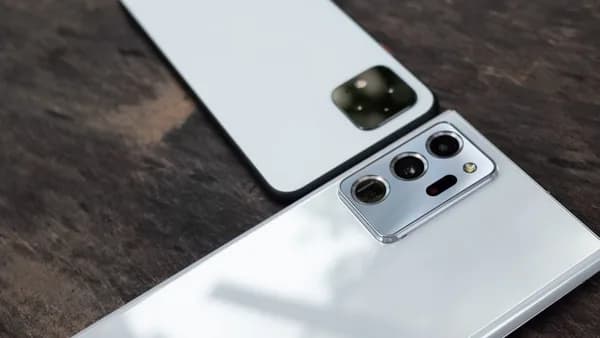
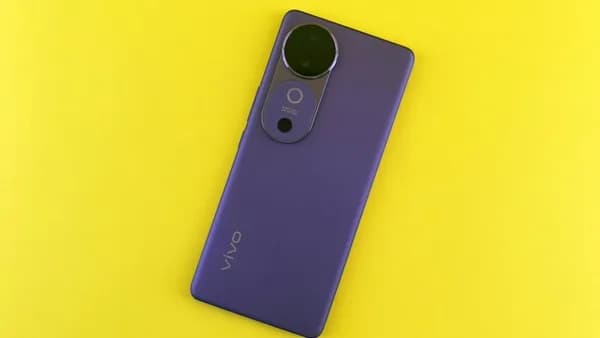
Samsung is reportedly preparing to make the Galaxy S26’s previously store-exclusive colors available at third-party retailers, marking a rare pivot in how it handles one of its most visible differentiators. This move, flagged by Notebookcheck, would let buyers pick up two once-exclusive shades beyond Samsung’s own sales channels—potentially signaling a new approach to product launches and retail partnerships.
What We Know: Samsung’s Expanding Color Access
The core fact is simple: Samsung is rumored to release the Galaxy S26’s store-exclusive colors through partner retailers. That means at least two colors, previously available only via Samsung’s own online or flagship stores, could show up at other authorized outlets.
Neither the source nor the leaks clarify which exact colors are involved, or whether this will be a permanent change or a timed promotion. There’s also no official list of participating partners, but the implication is clear—Samsung’s wall between “exclusive” and “mainstream” colorways is being breached, at least for this generation.
Why It Matters: Rethinking the Value of Exclusivity
Color exclusivity has long served as a subtle nudge, pushing die-hard fans and early adopters to Samsung’s own stores. It’s a play that hands Samsung full control over the buyer’s first impression, and often lets the company capture a higher share of the margin. Loosening that grip suggests Samsung is betting on greater volume—wider reach—over the shrinking returns of artificial scarcity.
MLXIO analysis: The timing aligns with an industry-wide plateau in smartphone differentiation. If the hardware leap is marginal year-over-year, color becomes a rare lever for generating buzz and nudging fence-sitters to upgrade. But if those exclusive colors no longer require a detour to Samsung’s store, the company may be looking to boost total unit sales and appease its retail partners—who have long griped about being left out of the most hyped product drops.
What Remains Unclear: Gaps in the Picture
The rumor leaves major holes. No data yet on whether this move is global or limited to specific regions. It’s also uncertain whether these colors will be available at launch, or only after an initial exclusivity window. Samsung hasn’t detailed the impact on pricing or whether these shades will still carry a premium. There’s no word on the fate of future exclusive color drops, either.
Crucially, there’s no evidence—yet—on how buyers actually behave when exclusivity melts away. Does wider access dull the allure, or simply satisfy pent-up demand among mainstream shoppers? The answer could shape Samsung’s strategy for years.
Stakeholder Implications: Shifting Power Among Samsung, Retailers, and Shoppers
Expanding access to exclusive colors pleases retailers, who get more ways to compete for high-ticket sales and fewer reasons to feel sidelined by Samsung’s own channels. For consumers, the friction of hunting down a particular shade should drop, possibly speeding up purchase decisions.
From Samsung’s perspective, this is a trade-off. The company risks losing the “club effect” of exclusivity, but it may gain by driving up total sales. If the experiment works, Samsung could make this the new normal—erasing the last vestiges of its color-walled garden.
Historical Context: How Samsung and Others Used Color to Shape Demand
Historically, Samsung’s “exclusive” color variants have been both a marketing flex and a point of friction. While the company has offered unique colors through its online store or select partners, it’s never gone all-in on wide distribution. The strategy mirrored competitors who use limited-edition colors or regional exclusives to spark hype.
But the blurred lines in the S26 rumors hint that Samsung may be reassessing the real value of these artificial boundaries. If “exclusive” colors move from niche to mainstream, it could represent the start of a broader shift in how flagship devices are marketed.
What to Watch: Proof Points and Potential Fallout
The real test will be how buyers respond—especially in markets where store exclusives have historically driven traffic to Samsung’s own storefronts. If broader access lifts sales without eroding brand cachet, expect future launches to follow suit.
What would confirm the thesis? Official announcements specifying which colors are included, where they’ll be sold, and when. Early sales data showing a bump at partner retailers—without a corresponding dip at Samsung’s own stores—would be telling. On the flip side, if Samsung quietly returns to tighter exclusivity with the next cycle, it’s a clear sign the experiment didn’t pay off.
Until more details emerge, Samsung’s rumored move is a test case for the fading power of exclusivity in a market hungry for differentiation—and for the shifting balance of power between device makers and the retailers who sell their wares.
Why It Matters
- Samsung’s potential shift in color exclusivity could make popular Galaxy S26 variants more accessible to buyers outside its own stores.
- This move may signal a strategic pivot toward broader retail partnerships and increasing overall sales volume over exclusivity.
- It reflects a response to slowing innovation in hardware, as companies look for new ways to differentiate and boost smartphone sales.