Vivo Pocket Gimbal Camera with 200MP Sensor Set for Late 2026 Launch
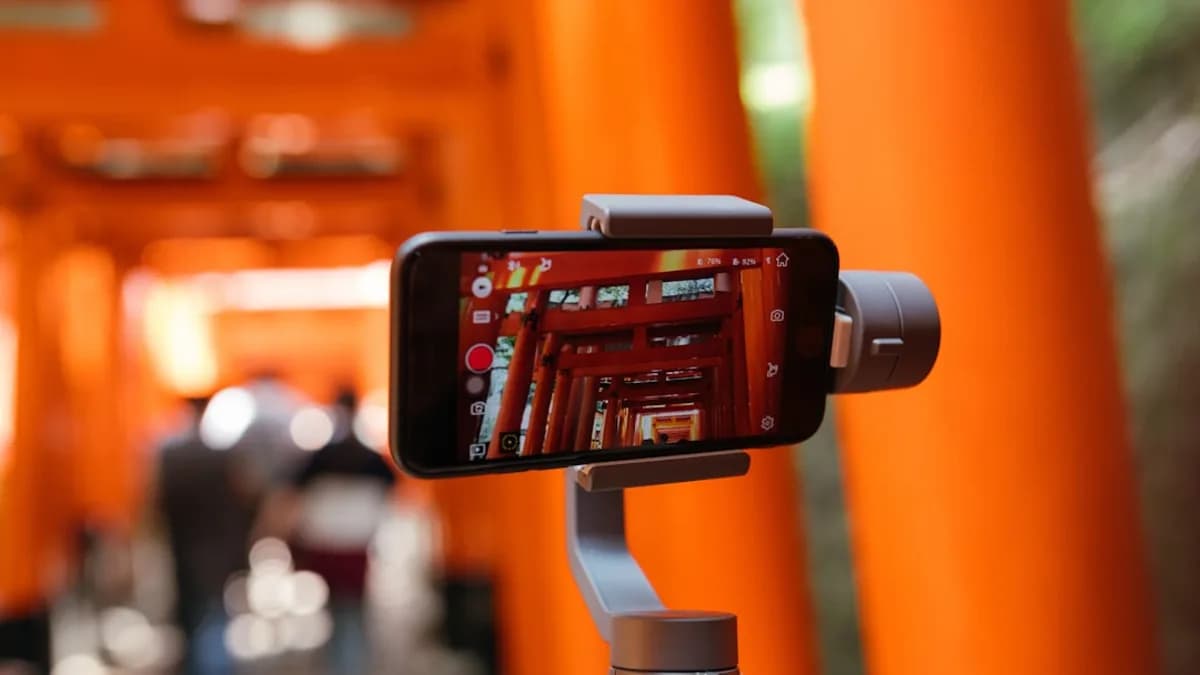
Vivo is preparing to enter the compact vlogging camera market with a new handheld gimbal device, the Vivo Pocket, featuring a 200MP Sony LYT-901 sensor and a 1/1.1-inch sensor size. Leaked details suggest a launch window in late 2026, positioning Vivo to directly challenge market leaders like DJI and Insta360 in the high-performance handheld camera segment, according to Notebookcheck.
The highlight is the sensor: at 200 megapixels and with a large format, this puts the Vivo Pocket on paper well above most current compact cameras. The leak gives no details yet on lens specs, stabilization hardware, or video capabilities, leaving open questions about how the device will translate that imaging power into actual results for creators.
How Vivo Pocket Will Challenge DJI Osmo Pocket 4 and Insta360 Luna Ultra
Vivo’s move signals a new front in the battle for creator hardware. Oppo is also reportedly developing a rival handheld camera, raising the stakes in what has been a two-horse race dominated by DJI’s Osmo Pocket 4 and the Insta360 Luna Ultra. The promise: a 200MP sensor in a compact, stabilized form factor, a spec that neither DJI nor Insta360 currently offers in their portable lines.
If the leaked specs materialize, the Vivo Pocket could rewrite expectations for image quality in the segment. The sensor size alone—1/1.1 inch—would put it among the most capable in terms of light-gathering and detail, at least on paper. That could unlock new creative options for on-the-go shooters, from higher-res stills to improved low-light performance. But until more hardware and software details surface, it’s impossible to say whether Vivo can match the real-world video quality, autofocus, and stabilization that have kept DJI and Insta360 at the top.
Vivo’s entry matters because it could force incumbents to rethink their own sensor strategies, especially with smartphone-focused brands now targeting dedicated camera buyers.
What to Expect from Vivo Pocket’s Features and Market Debut
There’s still a long list of unknowns. Beyond the headline sensor specs, the leaks don’t confirm what type of stabilization system—mechanical, electronic, or hybrid—the Vivo Pocket will use. Video features are also unmentioned: frame rates, codecs, and any AI-driven enhancements are all still under wraps. There’s no word on battery life, accessory support, or software integration, so it’s not clear yet whether the device will be creator-friendly out of the box or require heavy post-processing.
Target audience and pricing remain speculative. The device’s hardware focus suggests it’s aimed at serious creators or vloggers, but until more details land, even that’s an assumption.
With a launch tipped for late 2026, the timeline gives Vivo room to iterate and test, but also leaves time for rivals to respond. Key milestones to watch: official product announcements, prototype demos, and hands-on previews—none of which have surfaced yet. Until then, the Vivo Pocket remains a promising spec sheet rather than a disruptive product.
What Remains Unclear and What to Watch Next
Most of the story is still guesswork. The leaks don’t clarify what sets the device apart beyond the sensor specs, how Vivo will solve stabilization and usability, or how the Pocket will fit into the brand’s broader imaging strategy. It’s also unclear whether Oppo’s rumored device will leapfrog Vivo’s specs, or whether DJI and Insta360 will counter with major upgrades of their own.
What matters now: whether Vivo can turn a monster sensor into real-world performance, and whether it can build a camera that makes sense for creators rather than just for spec sheet wars. Watch for concrete hardware announcements, side-by-side image comparisons, and the first signs of market-ready software.
Until then, this is a shot across the bow—a signal that the smartphone camera arms race is coming for the handheld vlogging camera market, but not yet a guarantee of a shakeup.
Why It Matters
- Vivo's entry could disrupt a market long dominated by DJI and Insta360.
- A 200MP sensor in a compact gimbal could set new standards for image quality in portable cameras.
- Creators may benefit from more competition and innovation in handheld vlogging hardware.