On May 26, 2026, a Galaxy A27 leak turned Samsung’s next budget phone from a routine refresh into a sharper trade-off story: a cleaner front design and Snapdragon 6 Gen 3 may arrive alongside the loss of microSD support and weaker secondary cameras.
That is the tension in the latest leak, first reported by Notebookcheck, which cites marketing materials and official-looking renders shared by OnLeaks. The phone is expected in the second half of 2026, after the Galaxy A26 launched with Android 15 and One UI 7.
May 26 leak puts Samsung’s A-series bargain under pressure
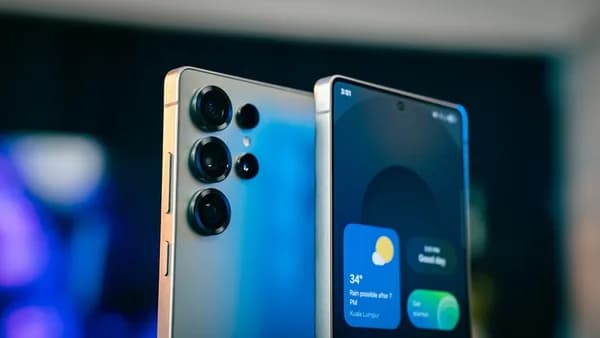
The leaked Galaxy A27 appears to modernize the parts buyers see first. The old notch from the Galaxy A26 is reportedly gone, replaced by a punch-hole selfie camera. The renders point to three colors: Light Pink, Blue, and Black.
That sounds like a normal generational cleanup. It is not.
The bigger story is that Samsung may be trading visible polish for practical cuts, the same kind of hardware compromise highlighted by the OnePlus Nord 6 USB-C flaw. The A27 is expected to keep the 50MP main camera with OIS, 5,000 mAh battery, 25W wired charging, and 6 GB / 8 GB RAM with 128 GB / 256 GB storage options. But the leak also points to a downgraded ultrawide camera, a slightly lower-resolution selfie camera, and no expandable storage.
MLXIO analysis: if this leak holds, Samsung is not simply upgrading the A26. It is reshuffling value. The A27 may feel more current in the hand and on the home screen, while becoming less forgiving for buyers who relied on microSD cards or used the ultrawide camera often.
For related Samsung leak coverage, see our reporting on Samsung’s Old Camera Rings Get Dumped in Galaxy S26 FE Leak and Galaxy Z Fold 8 Leak Hands Apple a Branding Gift.
From March 2025 to H2 2026, the chipset switch carries the headline upgrade
The most important internal change is the move from Exynos 1380 to Snapdragon 6 Gen 3. Notebookcheck says the 4nm Snapdragon 6 Gen 3 scores about 10% higher than the 5nm Exynos 1380 used in the Galaxy A26.
That matters because Samsung’s mid-range A-series has “largely relied on Exynos chipsets across Europe and Asia for several generations,” according to the supplied source material. A Snapdragon move gives Samsung a cleaner marketing line and may help perception among buyers who watch chipset names closely.
But the leak does not prove real-world performance yet. A benchmark uplift does not automatically settle battery life, thermals, camera processing, or long-session stability. Those need testing on retail hardware.
The display is also not fully nailed down. The A26 used a 6.7-inch FHD+ Super AMOLED panel with a 120 Hz refresh rate. The A27 is expected to retain a 6.7-inch FHD+ display, but the leaked materials cited in the additional source do not specify panel type or refresh rate. That distinction matters. A punch-hole cutout improves the look, but the panel specs decide whether the screen experience is truly carried forward.
The numbers show a mixed upgrade, not a clean win
The A27 leak is best read as a ledger. Some lines improve. Some lines shrink. One line disappears.
| Spec | Galaxy A26 | Galaxy A27 leaked |
|---|---|---|
| Processor | Exynos 1380, 5nm | Snapdragon 6 Gen 3, 4nm |
| Display | 6.7-inch FHD+ Super AMOLED, 120 Hz | 6.7-inch FHD+; panel type/refresh rate not confirmed in leaked materials |
| Main camera | 50MP with OIS | 50MP with OIS |
| Ultrawide | 8MP | 5MP |
| Macro | 2MP | 2MP |
| Front camera | 13MP | 12MP |
| Battery | 5,000 mAh | 5,000 mAh |
| Charging | 25W wired | 25W wired |
| RAM/storage | 6 GB / 8 GB, 128 GB / 256 GB | 6 GB / 8 GB, 128 GB / 256 GB |
| microSD | Up to 1 TB | Not supported |
| Software | Android 15, One UI 7 | Android 16, One UI 8.5 |
| Colors | Black, White, Mint, Peach Pink | Light Pink, Blue, Black |
The camera cuts are not just spreadsheet trivia. Dropping the ultrawide from 8MP to 5MP could matter for group shots, interiors, travel photos, and social posts where users cannot step back. The front camera move from 13MP to 12MP is smaller on paper, but still points in the same direction: Samsung may be preserving the main camera while trimming the supporting hardware.
The storage change is larger. The A26 supported microSD expansion up to 1 TB. The A27 leak says expandable storage is not supported. For buyers choosing between 128 GB and 256 GB, that turns the storage tier decision into a more permanent choice.
The leaked A27 spec sheet suggests expandable storage is “Not supported,” while the A26 supported microSD expansion up to 1 TB.
MLXIO analysis: this is the most consequential rumored downgrade because it changes ownership economics. A weaker ultrawide is annoying. No microSD can affect how long a lower-storage model remains comfortable.
The A-series comfort features are getting harder to take for granted
Samsung’s A-series has long been judged less by one flashy spec and more by the package: large battery, acceptable cameras, familiar software, broad storage options, and enough performance for daily use. The A27 leak keeps some of that formula intact. The 5,000 mAh battery remains. The 50MP OIS main camera remains. RAM and storage tiers appear unchanged.
The cuts land around the edges — but those edges matter. Expandable storage is a practical feature, not a luxury finish. Ultrawide cameras are secondary, but they are also one of the few hardware differences users notice in real photos. Removing or weakening these parts while moving to a cleaner display and newer chip suggests Samsung may be prioritizing the experience that sells in renders over the flexibility that shows up after months of use.
The timing also raises questions. MyMobiles, which says it saw Samsung marketing materials, reports that the Galaxy A27 is expected in H2 2026 and lists the Galaxy A26 as available from 19 March 2025. It also says the A26 launched in the UK at £299 for the 8 GB / 256 GB version. The A27 price is still listed as TBC.
That missing price is critical. At the right number, the trade-offs may look tolerable. At a higher number, the microSD removal and ultrawide downgrade become harder to excuse.
Buyers should read the A27 leak by use case, not by upgrade label
If the leak proves accurate, the A27 will not be an obvious “better than A26” device for every buyer.
Performance: The Snapdragon 6 Gen 3 move is the cleanest upgrade on paper, with Notebookcheck citing about a 10% score advantage over the Exynos 1380.
Storage: The rumored loss of microSD support makes the 128 GB model riskier for people who store offline video, shoot lots of photos, or keep phones for several years.
Camera: The 50MP OIS main sensor staying in place is good news, but the 5MP ultrawide would be a downgrade from the A26’s 8MP unit.
Software: The A27 is said to ship with Android 16 and One UI 8.5, while the A26 launched with Android 15 and One UI 7.
Design: The punch-hole front camera gives the A27 a more current look than the A26’s notch, assuming the renders reflect the final product.
MLXIO analysis: Samsung may be testing whether buyers value a newer chip and cleaner design more than expandable storage and stronger secondary cameras. The answer will depend heavily on final pricing, confirmed display specs, and whether retail performance matches the chipset promise.
The next proof point is Samsung’s official spec sheet
The Galaxy A27 leak points to a managed compromise: upgrade the visible front, change the platform, ship newer software, and cut some hardware that power users notice later.
That thesis gets stronger if Samsung confirms no microSD, a 5MP ultrawide, and the same 128 GB / 256 GB storage split. It weakens if the final device restores expandable storage, improves the display beyond what leaked materials show, or arrives at pricing that clearly undercuts the compromise.
Until Samsung announces the phone, the A27 should be treated as unofficial. But the direction is clear enough to watch: the next A-series value fight may not be about whether Samsung can make a cheaper phone look modern. It may be about how much practicality it can remove before buyers notice.
Key Takeaways
- Samsung may be prioritizing a cleaner design over practical features budget buyers value.
- The loss of microSD support could make storage choice more important at purchase.
- Camera downgrades may affect users who rely on ultrawide shots or selfies.