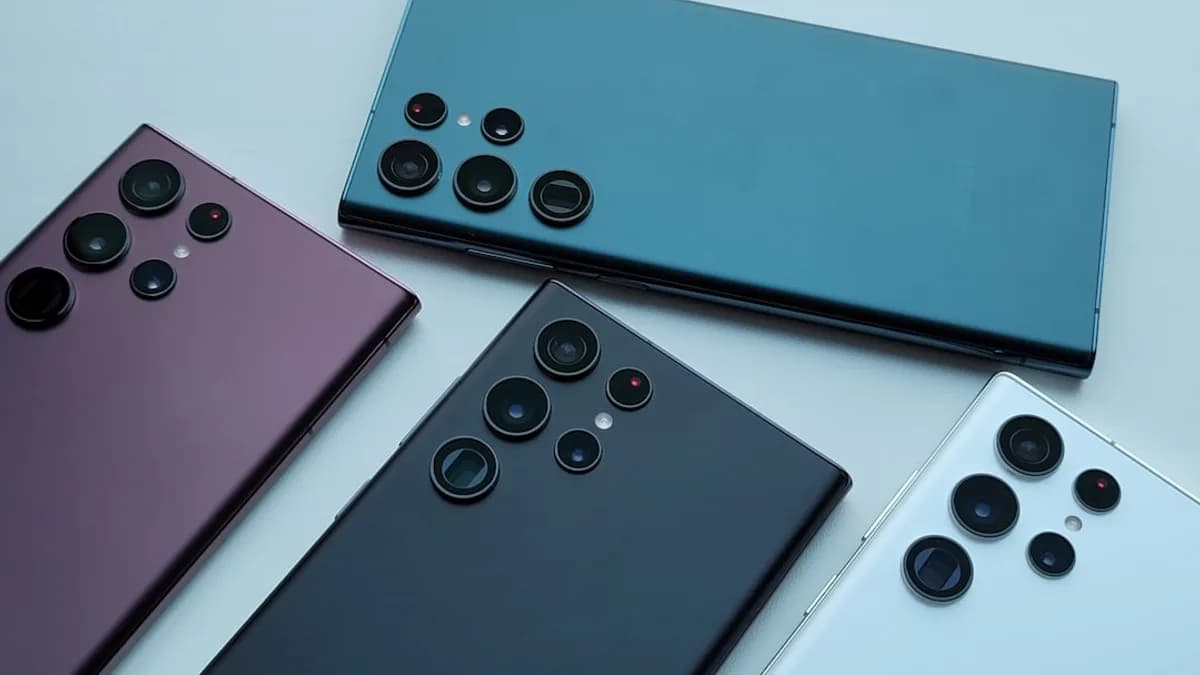
Notebookcheck’s Honor 600 vs. Galaxy S25 FE comparison turns a familiar Android buying question into a sharper split: do buyers want the most visible hardware wins on day one, or the steadier phone years two and three?
The answer depends on what kind of compromise feels acceptable. Honor 600 pushes hard on hardware performance, display brightness, battery size, and fast charging. Samsung Galaxy S25 FE gives up some of that hardware aggression for a more polished software experience, stronger integration, and longer update support, according to Notebookcheck.
Notebookcheck’s Comparison Shows a Cleaner Split in Upper Mid-Range Android
This is not just a phone-versus-phone matchup. It is a clash between two product philosophies.
Honor’s pitch is immediate and measurable. The Honor 600 brings a very bright OLED display, a large battery, fast charging, and a hardware-forward profile. These are easy wins to understand before a buyer ever touches the phone.
Samsung’s pitch is quieter. The Galaxy S25 FE aims for balance: a high-quality display, a dependable battery experience, polished software, strong system integration, and one of the better long-term update programs in Android.
MLXIO analysis: The upper mid-range segment is no longer only about selling a cheaper version of a flagship. It is becoming a referendum on buyer priorities. Honor is betting that phone hardware still wins attention, a theme also visible in the Redmi Note 17 Pro launch. Samsung is betting that predictable software, updates, and integration can offset less dramatic spec-sheet momentum.
That matters because the two phones are not chasing the same owner. Honor looks built for users who compare hardware first. Samsung looks built for users who want fewer rough edges over time.
Honor’s Day-One Case Starts With Brightness and Battery
The Honor 600 makes its strongest case through the most visible parts of the spec-sheet fight.
Notebookcheck frames the Honor 600 as having a very bright OLED display, with brightness standing out as one of its key hardware advantages. The Galaxy S25 FE is positioned differently: still balanced and capable, but not centered on the same display-brightness push.
The Honor 600’s display brightness is one of the clearest hardware differentiators in this comparison, especially for buyers who care about HDR impact and outdoor readability.
That advantage has practical consequences. A brighter panel can help with HDR punch and visibility in demanding lighting. It is also one of the few display upgrades users can feel immediately, without waiting for software features or future Samsung display upgrades.
Battery is the other major Honor strength. Notebookcheck presents the Honor 600 as the more battery-focused device, pairing a large battery with fast charging. The exact purchase-day value of that advantage will still depend on local configuration, software behavior, and real use, but the product direction is clear.
The device also brings fast charging, though the supplied source does not establish a specific wattage figure. That still reinforces Honor’s broader approach: reduce battery anxiety, make the screen more usable in bright conditions, and deliver hardware that feels modern from the first week.
But the hardware-first approach still has trade-offs. Notebookcheck’s contrast suggests that Honor’s emphasis is less about long-term software polish and ecosystem integration than Samsung’s. Honor’s offer is powerful, but its appeal depends on whether buyers value immediate hardware strengths over the steadier ownership story Samsung is trying to sell.
Samsung’s Countermove Is Software Polish, Not Spec Dominance
The Galaxy S25 FE does not try to beat Honor at Honor’s own game.
Its role in the comparison is not maximum hardware aggression. Instead, Samsung leans into a more balanced device identity, where the headline is not the brightest screen or the largest battery, but the overall ownership package.
Where the S25 FE pushes back is in the parts of ownership that compound over time. Notebookcheck highlights the phone’s polished user interface, strong system integration, and long-term update support program, which it says ranks among the best in the Android world.
That matters because updates change the ownership equation. A phone with less aggressive hardware can still feel more dependable if the software stays maintained, secure, and consistent. Samsung’s argument is that the experience after year one matters as much as the excitement of the first week.
The supplied source does not provide enough detail to make a supported camera winner or to compare image-processing philosophies. In this matchup, the firmer distinction is broader: Honor is framed around hardware performance, battery, brightness, and fast charging, while Samsung is framed around mature software, integration, and support.
For readers following Samsung’s broader device strategy, this fits a recurring theme across MLXIO’s coverage: Samsung often anchors product appeal in continuity and integration, even when hardware trade-offs are visible. That context also appears in our reporting on Galaxy S27 Pro Steals Ultra’s Privacy Display Trick and Galaxy A27 Leak Hits Buyers: €70 More, Weaker Cameras, though those are separate stories from this Honor 600 comparison.
The Tested Numbers Put Honor Ahead in Hardware, Samsung Ahead in Longevity
The clearest way to read this matchup is not “which phone is better.” It is “which advantages arrive immediately, and which ones matter later.”
| Category | Honor 600 | Galaxy S25 FE | Read-through |
|---|---|---|---|
| Display brightness | Very bright OLED display | High-quality display, but less central to the pitch | Honor has the more visible display argument |
| Battery focus | Large battery emphasized | Balanced battery experience | Honor carries the stronger hardware-first battery pitch |
| Charging | Fast charging emphasized | Not the main point of Samsung’s case | Honor has the clearer day-one charging story |
| Hardware performance | Emphasized as part of Honor’s positioning | Framed more around balance and software experience | Honor is the hardware-forward option |
| Software | Less central to the comparison | Polished UI and strong integration | Samsung’s core advantage |
| Updates | Not the focus of the supplied comparison | Long-term support among Android’s best | Samsung’s long-term ownership pitch |
| Overall positioning | Maximum hardware emphasis | Mature software and integration | Different priorities, not a universal winner |
Some advantages matter instantly. Brightness, battery focus, and fast charging are felt every day. Others matter slowly. Update support and software consistency become more important the longer the device stays in use.
MLXIO analysis: Honor is stronger for buyers optimizing the first year. Samsung is stronger for buyers optimizing the full ownership period, assuming they value software stability and integration more than maximum hardware emphasis.
The Old Flagship-Killer Formula Still Works, But Samsung Is Playing a Different Game
The Honor 600 resembles the classic upper mid-range playbook: deliver conspicuous hardware advantages at an attractive price and accept some compromises elsewhere.
That strategy is effective because buyers can compare display, battery, hardware performance, and charging claims quickly. Those attributes travel well across spec sheets, retail listings, and online reviews.
Samsung’s FE strategy is less dramatic. The Galaxy S25 FE is framed as a balanced device where no single feature dominates. The trade-off is deliberate. Samsung gives users fewer headline hardware peaks, but also fewer obvious ownership risks around software continuity.
This distinction is important. A phone can win a hardware comparison and still lose with users who prioritize interface consistency, ecosystem behavior, or long support. A phone can also feel polished and still frustrate users who need a more aggressive battery and charging profile.
That is the real split here. Honor sells the high ceiling. Samsung sells the lower-risk floor.
Different Buyers Will Reach Different Conclusions From the Same Data
Power users will likely notice Honor’s advantages first. The brighter display, large battery, fast charging, and strong hardware-performance positioning all support a more aggressive profile.
Mainstream buyers may read the same comparison differently. Samsung’s polished software, integration, and update support make the Galaxy S25 FE the safer choice for users who want predictability.
That does not make Samsung the automatic winner. It makes the buying decision more personal. A user who replaces phones frequently may value Honor’s immediate hardware punch more than Samsung’s update promise. A user who keeps a phone for several years may reach the opposite conclusion.
The supplied source does not establish every purchase-decision variable, including regional pricing, RAM and storage tiers, exact charging wattage, final software-support years, or carrier and retailer offers. Those details would matter in a final purchase decision. Without them, the cleanest supported conclusion is narrower: Honor wins on the hardware-forward pitch, while Samsung wins on software polish, integration, and long-term support positioning.
The Next Decision Point Is Whether Hardware Excess Can Beat Software Trust
The Honor 600 vs. Galaxy S25 FE comparison signals a more demanding phase for upper mid-range Android phones.
Honor has the more exciting hardware story. The display is positioned as very bright, the battery is a major part of the pitch, and fast charging strengthens the day-one appeal. If a buyer wants the phone that feels more ambitious immediately, Honor has the better case.
Samsung has the more conservative but durable argument. The Galaxy S25 FE does not chase the same hardware-first identity, but it counters with interface polish, integration, and update support. For buyers keeping a phone for several years, those strengths can matter more than a louder spec sheet.
The evidence to watch next is straightforward: whether Honor can strengthen its software and support story, and whether Samsung can make future FE models feel more competitive on battery, charging, and display impact without pushing the line out of its value lane. The next winner in this segment will not be the brand with the loudest single number. It will be the one that gets closer to both: hardware that impresses immediately and software that still feels right years later.
Key Takeaways
- The comparison highlights a clear split between spec-driven value and long-term software reliability.
- Honor targets buyers who want stronger visible hardware advantages immediately.
- Samsung’s Galaxy S25 FE may appeal more to users who keep phones longer and value updates.