OnePlus is not merely exiting Europe and the U.S.; it is giving up the software identity that made the brand matter there in the first place. The company’s retreat from Western markets and the phaseout of OxygenOS point to the same conclusion: OnePlus is becoming less of an independent Android challenger and more of an Oppo-aligned product line.
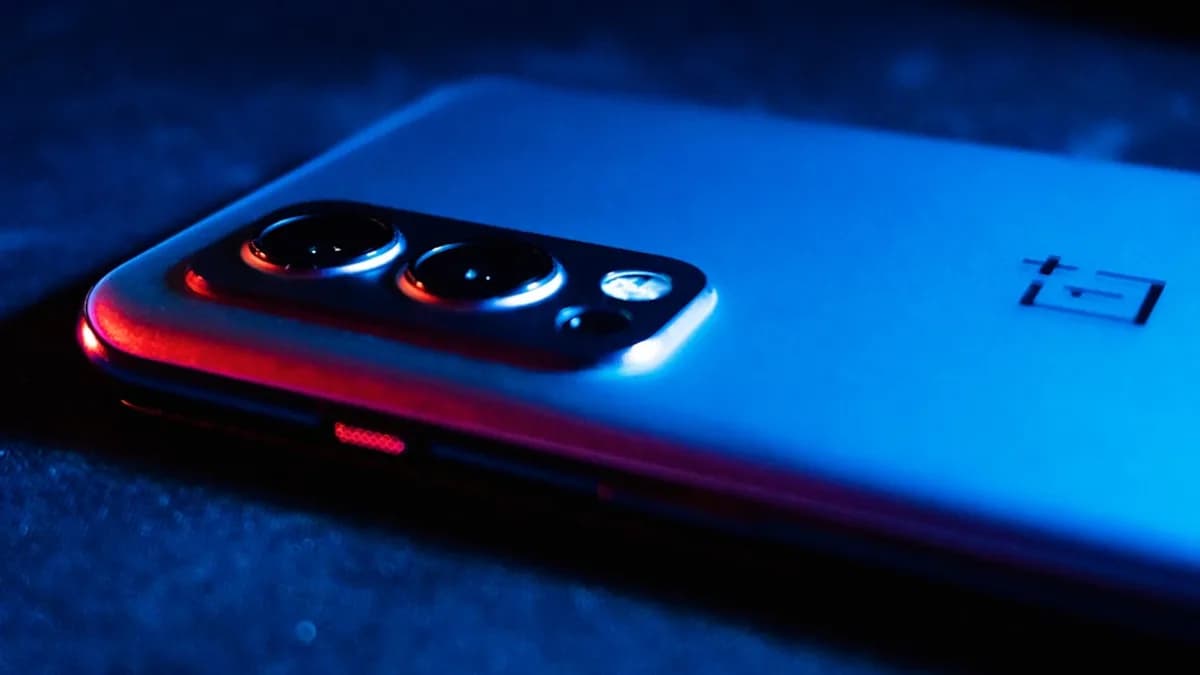
The decision is now official, according to Notebookcheck. OnePlus told The Verge and Android Authority that it will no longer operate in Europe and the U.S. Once remaining inventory, including devices such as the OnePlus 15, sells through, the company will stop shipping devices and releasing new models in those markets.
OxygenOS Was the Brand; ColorOS Makes OnePlus an Oppo-Led Product Line
The most important part of this story is not the sales exit. It is the software handoff. OnePlus smartphones that are due at least one more major Android update will move from OxygenOS to ColorOS, because the OnePlus-exclusive Android version is no longer being developed.
That matters because OxygenOS was never just a skin. It was part of the OnePlus bargain: fast, relatively clean Android, tuned for users who cared about speed, updates, and control. Android Authority traces that identity back to the OnePlus One in 2014, sold through an invite-only system and marketed with the “flagship killer” line.
The counterpoint is that the technical gap between OxygenOS and ColorOS has already narrowed. Notebookcheck says the two Android-based operating systems “hardly differ from one another” technically, with differences now largely cosmetic. Android Authority also reports that OnePlus executives acknowledged OxygenOS and ColorOS already share a common technical foundation.
Still, perception matters in consumer tech. A OnePlus phone running ColorOS may work well. But it no longer carries the same promise. For long-time buyers, this is not just an update path. It is the end of the old OnePlus software contract.
The Business Case Is Resource Focus, Not a Public Margin Story
OnePlus has framed the retreat as strategy, not collapse. Android Authority reported that OnePlus described the move as part of a broader global product strategy, with the company saying it needed to focus resources on markets where it believes it can best serve users.
“Users are at the heart of all we do,” the company said during the briefing. “The right brand does the right thing in the right market.”
That statement is careful. It does not say Western operations were unprofitable. It does not quantify marketing costs, carrier economics, warranty expenses, or margins. So the cleanest reading is narrower: OnePlus is choosing concentration over maintaining a separate Western presence for brand prestige.
The available numbers support the software side of that logic. Android Authority reports that ColorOS now serves more than 740 million users globally. Maintaining a separate OnePlus-branded Android interface makes less strategic sense when the parent company already has a much larger software base and when the technical distinction between the two systems has faded.
| Area | Previous OnePlus position | New direction |
|---|---|---|
| Europe and U.S. sales | New OnePlus devices launched officially | Existing inventory sells through; no new models |
| Software identity | OxygenOS as OnePlus-exclusive Android | ColorOS becomes the update path |
| Support promises | Warranty and updates tied to OnePlus channels | Commitments remain, but U.S. processing could take longer |
| Oppo role | Parent company with shared technology | More visible center of gravity |
| Realme UI | Separate Oppo subsidiary interface | Also being discontinued for ColorOS |
For readers following how Android hardware brands split features, software, and regional strategies, this sits beside broader device-positioning questions we covered in Galaxy S27 Pro Chip Split Could Burn Global Buyers. The OnePlus case is different, though: this is not a model variation. It is a market exit paired with software consolidation.
From Invite-Only “Flagship Killer” to Oppo Satellite
OnePlus reached this point gradually. The company began as an enthusiast-led Android brand with aggressive pricing, high-end specs, and unusually direct community engagement. OxygenOS reinforced that identity because it felt distinct from heavier Android skins and closer to what power users wanted.
Over time, the company broadened. Android Authority notes that OnePlus expanded beyond enthusiasts, partnered with carriers across North America, entered premium price segments, moved into wearables and tablets, and became more tightly integrated with Oppo. The two companies also consolidated R&D operations, with OxygenOS and ColorOS increasingly sharing the same underlying platform.
Engadget adds another important corporate detail: Peter Lau, OnePlus co-founder, recently rejoined Oppo as chief product officer. Oppo said the decision will fold in OnePlus’s capabilities, technologies, and product philosophy. That phrasing makes the hierarchy clearer. OnePlus is no longer being positioned as a separate Western-facing challenger.
The strongest counterpoint is that OnePlus is not disappearing everywhere. Android Authority reports that OnePlus India said it continues to operate “business as usual,” with local operations on track, and described India as a priority market. But the company did not comment on future flagship launches in the country, leaving uncertainty around devices such as the OnePlus 16.
Existing OnePlus Phones Keep Support, but the User Experience Changes
For current owners, the immediate promise is continuity with a different interface. OnePlus says warranty claims and previously announced software updates will not be affected. Android Authority also reports that after-sales support, software and product updates, and existing service channels will continue.
The catch is regional execution. Notebookcheck says Oppo remains present in Europe and can handle warranty requests there. In the U.S., however, OnePlus will no longer have a presence, meaning warranty processing could take longer. That does not mean support disappears. It means the service path may become less direct.
The software transition is the bigger daily change. ColorOS may bring benefits if a larger engineering base leads to more consistent development. But users who bought OnePlus specifically for OxygenOS may care less about shared technical foundations and more about interface choices, notification behavior, launcher feel, privacy controls, and preinstalled apps.
Buyers still considering remaining inventory should separate hardware value from brand continuity. A discounted OnePlus phone may still receive promised updates. But it is no longer a device tied to an active Western product roadmap. That distinction matters more than a spec sheet.
Fans Lose a Distinct Android Alternative; Oppo Gets a Cleaner Stack
The stakeholder split is stark. Fans lose OxygenOS as a living product. Oppo gains a cleaner software structure. Western buyers lose one more recognizable Android option in official channels.
Oppo is also standardizing beyond OnePlus. Notebookcheck reports that Realme UI will be discontinued and replaced by ColorOS across Oppo subsidiary brands. Realme is expected to withdraw from the Chinese market but remain active in regions such as Europe. That makes ColorOS the center of Oppo’s multi-brand software strategy.
This follows a wider pattern of Chinese tech brands making very specific regional bets, rather than treating Europe as automatically strategic for every product category. MLXIO has seen similar regional hardware calculations in stories like €849 Xiaomi 75-Inch Mini-LED TV Grabs Fire TV in Europe, though the OnePlus move is sharper because it removes a smartphone brand from major Western markets instead of adding a product line.
The risk for Oppo is brand dilution. OnePlus had recognition in the West that Oppo has not matched to the same degree, according to Engadget’s analysis. If OnePlus becomes mostly a label over Oppo hardware and ColorOS software, the reason to choose it becomes harder to explain.
The Next Proof Point Is Where OnePlus Still Launches Phones
The thesis holds if OnePlus keeps shrinking into markets where Oppo’s structure can carry it. Bloomberg, cited by Notebookcheck, suggests that starting next year, the OnePlus brand will operate exclusively in China. Oppo declined to comment on OnePlus’s future in the rest of the world, so that remains unresolved.
Several signals would confirm the retreat: no new OnePlus flagships in Europe or the U.S., ColorOS rolling out broadly to existing devices, Realme UI disappearing as planned, and OnePlus becoming quieter outside China and India. A stronger India flagship roadmap would complicate the story. A major Western relaunch, carrier push, or clearly differentiated OnePlus software layer would weaken it further.
For now, the practical takeaway is simple. Existing owners should track promised update eligibility and the ColorOS migration path. Prospective buyers in Europe and the U.S. should treat remaining OnePlus stock as end-of-line inventory, not the start of a continuing regional platform. The old OnePlus sold independence. The new one is being absorbed into Oppo’s scale.
The Bottom Line
- OnePlus is ending its direct presence in Europe and the U.S. after remaining inventory sells through.
- The retirement of OxygenOS removes a key reason many Western Android enthusiasts chose OnePlus.
- The shift makes OnePlus look less like an independent challenger and more like an Oppo-aligned product line.