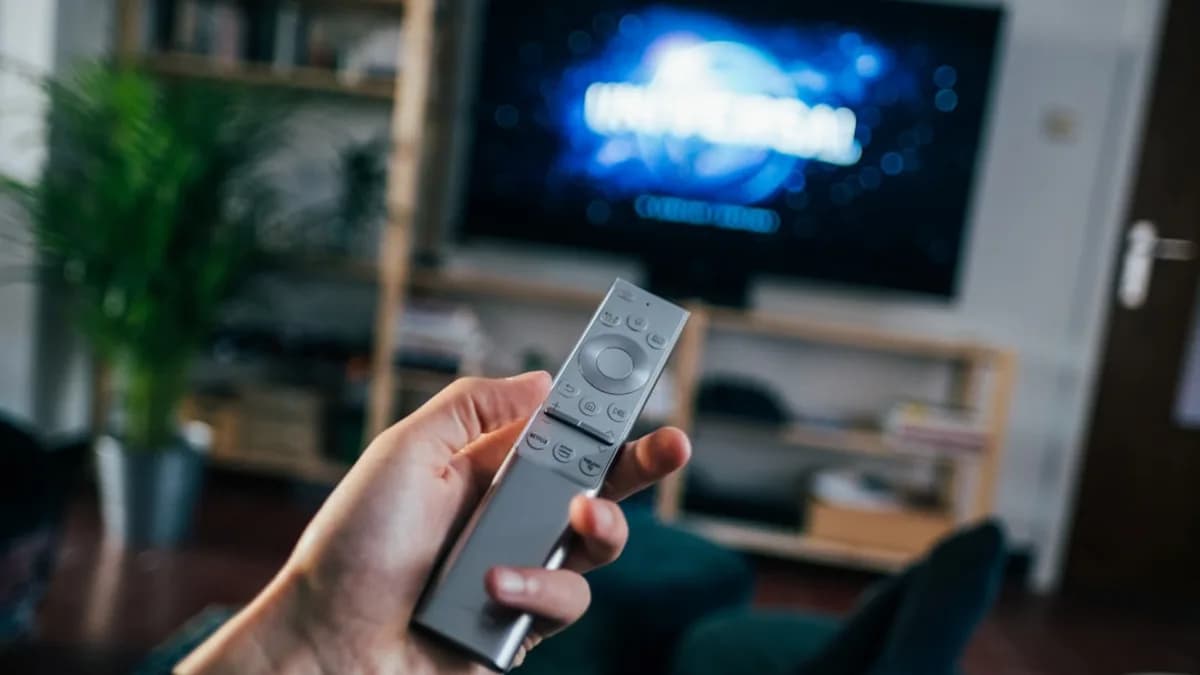
Xiaomi is moving its TV pitch upscreen, not just expanding sideways: the new Xiaomi TV FX Mini LED 75 2026 has been reported with a 75-inch Mini-LED panel, Fire TV built in, and a gaming mode that can push refresh rates to 120 Hz.
The model has been detailed by Notebookcheck, which identifies it as Xiaomi’s new 75-inch Mini-LED TV with 120 Hz Game Boost and Fire TV built in. Based on the available source material, buyers should verify pricing and availability through local Xiaomi or retailer listings before treating the launch as broadly available.
Xiaomi’s 75-inch Mini-LED play shifts the FX line into bigger living rooms
The thesis is straightforward: Xiaomi is using the FX Mini LED 2026 line to chase buyers who want a large-format screen with stronger contrast, not just a cheap smart TV. The new model follows smaller versions and brings the same family into the 75-inch class, a size aimed at living rooms where one display often has to handle streaming, sports, gaming, and movie nights.
The core spec is Mini-LED backlighting, which gives the TV more precise control over illuminated areas than conventional LED backlighting. That is the main picture-quality hook here: Mini-LED can help a large TV deliver stronger contrast and more controlled brightness than a basic LED set, though the final result depends heavily on implementation.
The strongest counterpoint is that Xiaomi has not disclosed every measurement that determines real picture quality. Notebookcheck’s source material does not list the number of dimming zones, peak brightness, input lag, color-space coverage, HDR format details, or full HDMI feature support, all of which matter more than marketing labels once the TV is in a room.
Still, the positioning holds because Xiaomi is pairing three headline features that buyers immediately understand: size, contrast technology, and built-in streaming software, echoing the smart-home value strategy seen in the Xiaomi Mijia washer-dryer. That mirrors the company’s broader habit of packing visible hardware features into accessible categories, a pattern MLXIO has also tracked in Xiaomi-adjacent launches such as the Xiaomi solar security camera, Xiaomi Power Bank 20000 22.5W Bets on Safety Over Speed, the Mijia Humidifier 3 Pro, and the Xiaomi Skynomad EREV range.
Game Boost gives gamers 120 Hz, with key details still open
The gaming pitch is real, but the available source material leaves important performance details unresolved. Xiaomi’s Game Boost mode is described around a 120 Hz refresh-rate headline for gamers, which gives the TV a clearer gaming angle than a basic living-room display.
That distinction matters for console and PC users. A 120 Hz mode can make motion feel smoother and reduce perceived blur, but the benefit depends on the game, source device, output settings, resolution behavior, and the TV’s input lag. Without independent testing, it is too early to treat this as a proven high-performance gaming display.
The value case is strongest for split-use households. A 75-inch TV with Mini-LED backlighting, Fire TV, and a 120 Hz game mode can serve viewers who alternate between streaming, sports, and games without building a dedicated gaming monitor setup.
The counterpoint is that “120 Hz” alone does not settle the gaming question. Reviewers still need to verify input lag, whether VRR and ALLM are supported, which HDMI ports carry which features, whether the TV has any resolution or processing trade-offs in Game Boost, and how image processing behaves when that mode is enabled.
A simple spec contrast captures the buyer trade-off:
| Mode / feature | What Xiaomi is offering | Buyer caveat |
|---|---|---|
| Large-screen playback | 75-inch Mini-LED TV | Picture quality still depends on dimming and brightness data |
| Game Boost | Up to 120 Hz | Resolution behavior and latency still need confirmation |
| Smart TV software | Fire TV built in | App and feature availability can vary by market |
| Full gaming feature set | Not fully detailed in available source material | VRR, ALLM, HDMI behavior, and input lag need testing |
This is where Xiaomi’s gamer branding will face scrutiny. MLXIO has seen the company’s sub-brands lean hard into performance positioning before, including in Redmi K90 Ultra Bets on Cheap Speed to Steal Gamers, but TVs have a different proof standard: measured latency, motion handling, and real HDR performance.
Fire TV gives Xiaomi a familiar smart-TV interface
Xiaomi’s software choice may matter as much as the panel spec. The new 75-inch FX Mini LED 2026 uses Fire TV built in, giving buyers a streaming-focused interface without requiring a separate streaming device on day one.
That lowers setup friction for buyers who want the TV to work as a self-contained entertainment hub. In practical terms, the built-in platform is part of the product’s appeal alongside the 75-inch size, Mini-LED backlighting, and gaming refresh-rate claim.
The counterpoint is regional variation. App availability, account features, assistant behavior, and smart-TV functions can differ by country and licensing arrangement, so buyers should check the local product page rather than assume every Fire TV feature travels cleanly across markets.
Even so, the software decision strengthens Xiaomi’s retail pitch. The hardware can attract shoppers through Mini-LED and 75-inch sizing, while Fire TV gives the device a recognizable front door for daily use.
Ports and audio details still need local confirmation
The FX Mini LED 75 2026 is not just a panel story, but the practical living-room details still need confirmation from full local spec sheets. For a TV this large, buyers should look closely at connectivity, audio, mounting, and broadcast features before deciding whether it fits their setup.
That means checking the basics that often matter after purchase: how many HDMI ports are included, which standards they support, whether gaming features are limited to specific inputs, what wireless options are available, and what audio outputs are provided for soundbars or receivers.
Audio is another area where the headline announcement is not enough to judge the experience. A 75-inch TV may include built-in speakers, but a soundbar or home theater system will still deliver better audio in most setups, especially if the screen is used as the main living-room display.
Mounting and installation also deserve attention. A TV this large is less of a casual bedroom device and more of a fixed living-room anchor, so buyers should verify stand dimensions, wall-mount compatibility, weight, and clearance before assuming it will fit existing furniture.
Price, dimming data, and launch details will decide the 75-inch appeal
Xiaomi has given buyers a clear product concept, but not enough verified rollout detail to judge the full launch. The available source material supports the big picture: a 75-inch Mini-LED Xiaomi TV with Fire TV built in and a 120 Hz Game Boost pitch.
The next useful data will come from retailer listings, local Xiaomi pages, and reviews. Buyers should look for pricing, confirmed availability, dimming-zone count, peak brightness, HDR format handling, HDMI specifications, VRR/ALLM support, input lag, energy rating, and whether the built-in audio matches Xiaomi’s positioning in real rooms.
The strongest reason to wait is that Mini-LED performance varies widely by implementation. A panel can promise better contrast, but local dimming algorithms, blooming control, calibration, and game-mode processing decide whether the result looks premium or merely bright.
For now, the Xiaomi TV FX Mini LED 75 2026 reads as a big-screen, gamer-aware Fire TV launch with several important details still to verify. The watch item is whether independent testing confirms the contrast, latency, and HDR performance implied by the product positioning — and how widely Xiaomi makes the model available.
Key Takeaways
- Xiaomi is pushing its FX Mini LED line into the 75-inch class for larger living rooms.
- Mini-LED and 120 Hz Game Boost make the TV more appealing for movies, sports, and gaming.
- Buyers should verify pricing, availability, and missing performance specs before purchasing.