$39 is all it takes for Mynus to expose the most awkward truth about the iPhone 17 Pro: Apple’s rear design now needs help feeling finished.
That is the real story behind the new made-in-Japan Mynus magnetic back, according to Notebookcheck. This is not compelling because it is a perfect protective case. Mynus explicitly says it is not a “case.” It is compelling because a thin rear panel can make Apple’s flagship look cleaner, sit flatter, and feel more resolved than the device does on its own.
My view: that is a quiet but sharp rebuke of modern premium phone design. Camera hardware has become so dominant that the back of the phone increasingly serves the camera module first and the user’s hand second.
$39 Turns the iPhone 17 Pro’s Rear Into the Story
The Mynus back for iPhone 17 Pro starts at $39/€34/£29. It weighs 32g and attaches with neodymium magnets plus a reusable micro-suction sheet. Mynus frames the design around its “aesthetics of subtraction” philosophy, which is a polished way of saying the accessory tries to remove visual clutter rather than add another shell around the phone.
That matters because Mynus is not selling the usual bargain: more bulk in exchange for more protection. It leaves the aluminum unibody and physical buttons exposed. The phone still looks and feels like an iPhone, at least in the places your fingers touch most.
Mynus insists the magnetic back is not a “case.”
That distinction is not marketing trivia. It is the product’s whole argument. Traditional cases often solve one problem by creating another. They protect the phone, then bury the industrial design people paid for. Mynus instead protects the camera lenses and rear glass from surface scratches while preserving more of the original device.
| Choice | What it adds | What it gives up |
|---|---|---|
| Mynus magnetic back | Flat rear profile, surface-scratch protection, exposed aluminum and buttons | No drop protection, uncertain full function compatibility |
| Traditional protective case | Broader physical coverage | More bulk, less of the original phone feel |
32g of Plastic and Magnets Fixes the Desk Wobble
The central trick is simple: Mynus levels out the rear camera area. Notebookcheck says the accessory gives the iPhone 17 Pro a completely flat look and prevents desk wobble. That is a small ergonomic win with daily consequences.
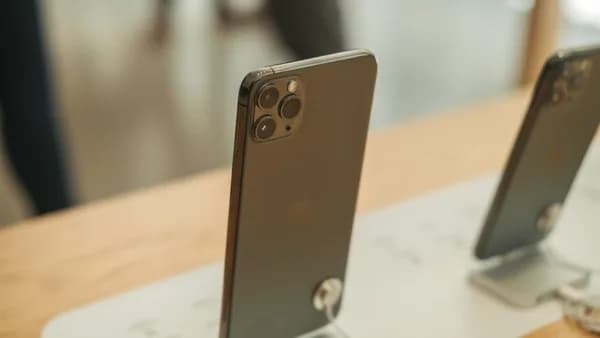
Phones do not live in press renders. They live on desks, tables, chargers, nightstands, and in hands. A raised camera module changes all of those interactions. It makes the phone rock when tapped on a flat surface. It creates a shape that feels unfinished unless a case evens it out. It turns the camera bump into a physical tax paid every time the device is used without protection.
Mynus does not alter the camera hardware. It does not make the camera module disappear. It reframes it. By building a wedge-shaped rear that is thicker at the top, the accessory turns the protrusion into a flatter surface and claims to improve grip at the same time.
That is why this product lands harder than another decorative skin. It solves a real physical annoyance without pretending to redesign the phone electronically.
Apple’s Premium Materials Lose Their Point When They Get Covered
Apple spends enormous effort making the iPhone feel premium. The aluminum unibody, the glass, the button tactility, the color finish — these are not incidental. They are part of the product.
Then the camera geometry pushes many users toward a case, not only for protection but to make the rear feel less awkward. Mynus’ exposed-edge approach highlights the contradiction. If the original materials are central to the iPhone’s appeal, why does the rear design so often invite a cover?
This is where the Mynus accessory becomes more than a niche add-on. It suggests that some users may not want maximal armor. They may want the phone to feel like the object Apple designed, only flatter.
That distinction should matter to Apple. A third-party panel should not be able to make a flagship feel more visually coherent by doing less. Yet that is Mynus’ pitch: attach a 32g back, keep MagSafe and Qi charging compatibility according to the company’s claim, and remove the wobble without wrapping the whole device.
For readers following how small iPhone design and ownership details stack up, this sits beside separate questions raised in MLXIO’s coverage of iPhone Anti-Theft Fix Could Kill a Thief’s Best Shot and iPhone Theft Lock Fights the Seconds Thieves Exploit: the iPhone experience increasingly depends on details beyond the spec sheet.
A Cheap Fix Makes the Premium Compromise Look Pricier
The price is part of the critique. At $39, Mynus is not asking buyers to treat this like a luxury modification. It is priced like a small accessory, yet it changes the phone’s rear silhouette more dramatically than many bulkier cases.
That makes Apple’s compromise look more expensive, not less. A flagship phone should not require an aftermarket layer to sit flat and feel complete. Yes, accessories have always shaped how people use phones. But this one is not adding a wallet, a kickstand, or a rugged shell. It is correcting the shape.
The available variants also stay focused on restraint: Rubber Black, Orange, Navy with a soft-touch finish, and Sand White with a sandstone-like texture. None of that changes the underlying thesis. Mynus is selling less case, less wobble, less interruption.
That restraint is the point.
The Strongest Defense of Apple Is Camera Physics
The fair counterargument is obvious: Apple did not build a protruding camera area for fun. Camera systems need space. Lenses, sensors, stabilization hardware, and thermal design all impose constraints. The supplied related reporting from MacRumors says the iPhone 17 Pro camera plateau houses upgraded camera hardware, including three 48-megapixel rear cameras and a revamped Telephoto lens. A perfectly flat phone may not be compatible with the camera performance buyers expect.
That argument is strong. It may even be decisive for users who care more about photo and video capability than rear symmetry. If the choice is between a flatter phone and better imaging, plenty of people will take the camera.
Mynus also carries real caveats. The company says this is not a traditional protective case. It does not offer drop protection. It also does not guarantee full compatibility with all device functions, a vague warning that buyers should not ignore. Notebookcheck rightly says real-world performance remains unproven.
So no, this accessory does not “beat” Apple engineering. It dodges some constraints by accepting others.
The Next iPhone Redesign Should Start at the Back
The lesson is not that every iPhone needs a magnetic cosmetic panel. The lesson is that the rear surface is now a core part of the user experience, not leftover space around the cameras.
Apple can keep pushing camera performance. It should. But it also has to make the whole object feel intentional again. That could mean a more integrated camera architecture, a wider and better-balanced rear plateau, different materials, or a body shape that accepts thickness more honestly instead of concentrating it in one raised zone.
Mynus is preparing a similar accessory for the super-thin iPhone Air by June, and international buyers may face extra duties and taxes depending on destination. Those details matter for anyone considering the product now. The bigger watch item is whether accessories like this remain niche — or whether they signal a design frustration Apple eventually has to answer itself.
If a $39 panel can make the iPhone 17 Pro look more resolved, Apple’s next design challenge is not adding another lens. It is making the whole phone feel complete again.
Key Takeaways
- A $39 accessory highlights how dominant camera bumps have become in premium phone design.
- Mynus is positioning the product as a design fix rather than a conventional protective case.
- The accessory appeals to users who want scratch protection without hiding the iPhone’s original materials and buttons.