Why the Honor Robot Phone’s Gimbal Camera Could Redefine Mobile Filmmaking
A smartphone with a built-in 3-axis motorized gimbal is about to challenge the definition of “pro” in mobile video. Honor has locked in a Q3 2026 launch window for its Robot Phone, a device previewed at the Cannes Film Festival and set to land right as the iPhone 18 Pro and Pixel 11 hit the scene. The pitch: a flagship phone purpose-built for filmmakers, with hardware stabilization that aims to outgun both high-end smartphones and dedicated compact gimbal cameras like the DJI Osmo Pocket 4, according to Notebookcheck.
The timing is strategic. If Honor’s execution matches the promise, the Robot Phone could shift expectations for what creators demand from a phone. The addition of Arri Image Science—borrowed from high-end cinema cameras—signals a direct play for those who want more than computational tricks. This is a phone chasing the territory once reserved for gear-laden filmmakers, not just TikTokers.
But Honor’s ambitions raise questions. Is the company about to set a new bar for mobile videography, or is this another hardware flex with limited real-world payoff? The hands-on at Cannes suggests it’s more than a prototype, but critical details remain under wraps.
How the 3-Axis Motorized Gimbal Enhances Video Stability Compared to Traditional Solutions
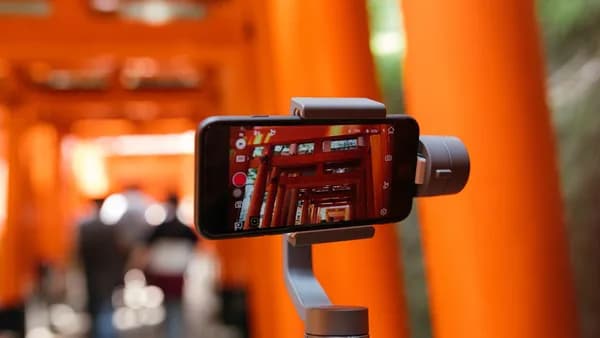
Most smartphones rely on digital stabilization—algorithms that crop and correct shaky footage after the fact. It works well enough for casual use, but the approach has limits: digital fixes can’t recover lost detail from big jolts, and heavy cropping reduces image quality. Hardware gimbals, by contrast, physically counteract motion in real time, keeping the lens stable as you walk, pan, or shoot on the move. That’s the secret sauce behind smooth, cinematic tracking shots.
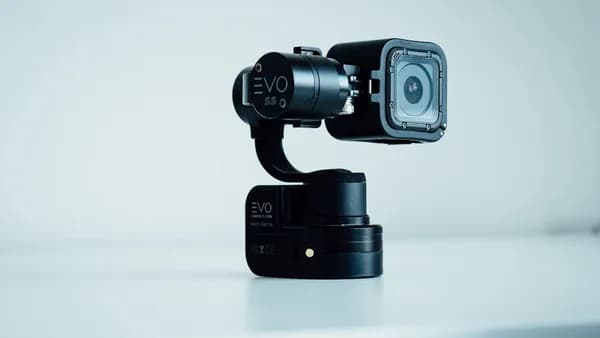
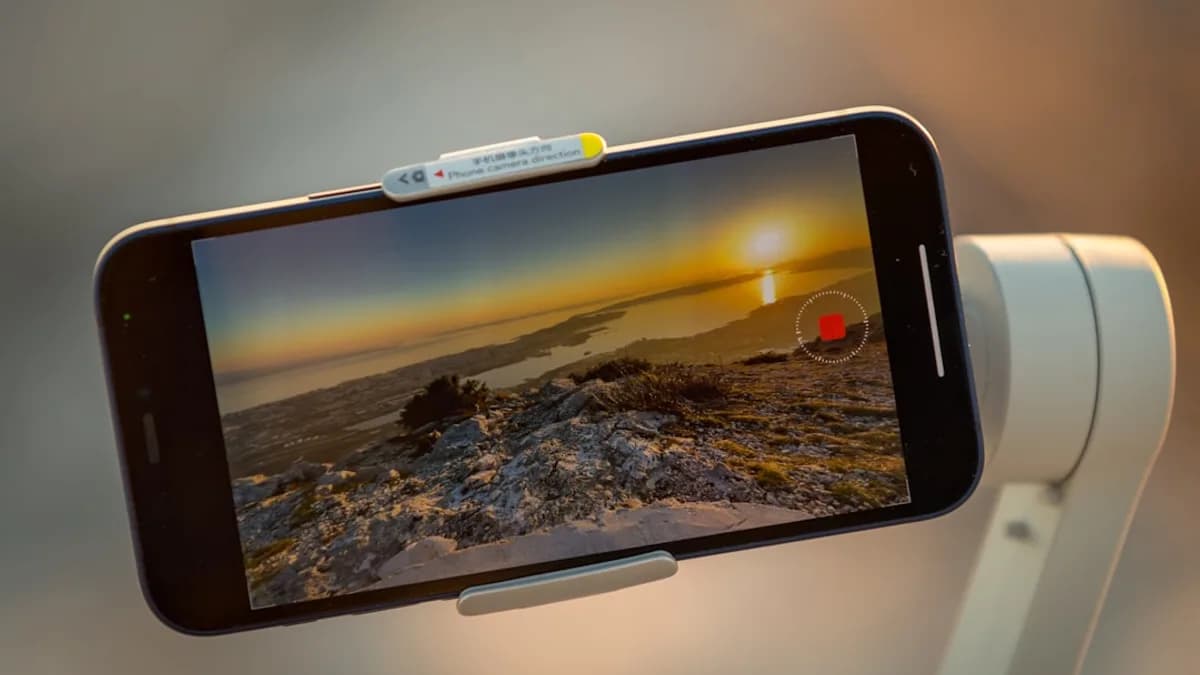
Honor’s Robot Phone takes this a step further by embedding a 3-axis motorized gimbal directly into the device. In theory, this hardware approach should deliver more stable, cleaner footage—especially in demanding conditions—than software alone. For context, the DJI Osmo Pocket 4 is the current reference for pocketable, hardware-stabilized video. But that’s a standalone tool: you need to carry, charge, and sync it with your phone. Honor’s bet is that a built-in gimbal can offer Osmo-level stability without breaking filmmakers’ workflows or pockets.
Analysis: If the on-board gimbal works as promised, it could make stabilized, walk-and-talk video the new baseline for creators—no more fumbling with external rigs or sacrificing image quality for mobility.
What the 200MP Sensor and Arri Image Science Mean for Mobile Photography and Videography
Honor is signaling a 200MP sensor for the Robot Phone—a spec that, if realized, would rank it among the highest-resolution sensors in a mainstream smartphone. The promise here is more than just billboard-sized stills. High-res sensors allow for flexible cropping, reframing, and digital zoom without the typical loss of detail, which can be a game-changer for filmmakers who want to punch in on shots in post.
But raw resolution isn’t enough. That’s where Arri Image Science comes in. Arri’s color science is revered in the film industry for its natural skin tones and nuanced rendering of highlight and shadow detail. By integrating this tech, Honor aims to raise the floor for mobile color quality and dynamic range, potentially closing the gap between phone footage and what you’d expect from a dedicated cinema camera.
Analysis: If Honor’s implementation matches Arri’s reputation, content creators could get files that are not only sharper but also more flexible in post-production—making color grading and visual effects work less of a compromise.
In What Ways AI Tracking Improves Filmmaking on the Honor Robot Phone
AI tracking has become a buzzword, but paired with hardware stabilization, it’s more than a gimmick. On the Robot Phone, AI tracking means the camera can automatically follow a subject—keeping them in frame as they move, without the “hunting” and missed focus that plagues lesser systems.
For mobile filmmakers, this unlocks new shots: one person can film dynamic movement—sports, dance, wildlife—without a skilled gimbal operator or a dedicated camera crew. The integration of AI with the gimbal means the phone can anticipate and compensate for sudden changes in direction, yielding footage where the subject stays locked and the background flows smoothly.
Compared to the iPhone 18 Pro (which, as of this writing, is not yet released but expected to evolve Apple’s software-based tracking), Honor’s hardware-software combo could set a new standard. If it works as advertised, creators won’t need to choose between ease and pro-level results.
How the Honor Robot Phone Stacks Up Against the iPhone 18 Pro and DJI Osmo Pocket 4 for Creators
Let’s break it down: The iPhone 18 Pro is expected to push computational photography and video further, but it still relies on digital stabilization. The DJI Osmo Pocket 4 offers best-in-class hardware stabilization, but it’s a separate tool—great for those who plan shoots, less so for spontaneous creators.
Honor’s Robot Phone attempts to combine the best of both worlds: always-on, gimbal-level stabilization in a device you already carry, plus a sensor and color science that target pro workflows. For mobile filmmakers, the difference is workflow simplicity. You shoot, edit, and share from one device, with hardware stabilization and high-end image science included.
Hypothetical scenario: A documentary filmmaker covering a protest needs to move fast and stay discreet. With an Osmo Pocket 4, they’d have to manage a second device and sync footage later. With the Robot Phone, they could capture stabilized, high-res, color-accurate footage and upload directly—no extra steps, no missed moments.
Analysis: If Honor’s claims hold in real-world testing, the Robot Phone could accelerate the “phone as main camera” trend among creators who care about both quality and speed, threatening the niche that standalone compact gimbals like the Osmo Pocket 4 currently occupy.
What We Know, What’s Unclear, and What to Watch
What’s confirmed: Honor’s Robot Phone is set for a Q3 2026 launch, features a built-in 3-axis motorized gimbal, Arri Image Science, and targets mobile filmmakers seeking pro-grade results without extra gear. The company is positioning it as a direct competitor to the next iPhone Pro and Google Pixel flagship, as well as a challenge to the DJI Osmo Pocket 4 for stabilized mobile video, per Notebookcheck.
What’s still unclear: Hard specs—including actual sensor size, battery life, and video formats—are not public. Early hands-on impressions are limited, and there’s no independent footage to judge stabilization or color science in the wild. Pricing, regional release plans, and third-party app integration are also unknown.
What to watch: The real test will come when the Robot Phone lands in creators’ hands. If the gimbal system is robust, and Arri’s color tech translates into true-to-life footage, Honor could force Apple, Google, and even DJI to rethink their approach to mobile video hardware. But if the hardware adds bulk or complexity, or if battery life tanks, the device could be relegated to niche status.
Forward-looking analysis: For creators and early adopters, Q3 2026 is the moment to watch. If Honor delivers on its promises, expect mobile filmmaking to get a serious hardware upgrade—and for the lines between phone and pro camera to blur even further.
Why It Matters
- The Honor Robot Phone introduces built-in hardware stabilization, challenging both top smartphones and dedicated gimbal cameras.
- A 200MP sensor and cinema-grade image processing could raise expectations for mobile filmmaking quality.
- This launch may force competitors like Apple and DJI to accelerate innovation in video stabilization and pro features.