Orion PDA Debuts with Solar Charging and Physical Keyboard
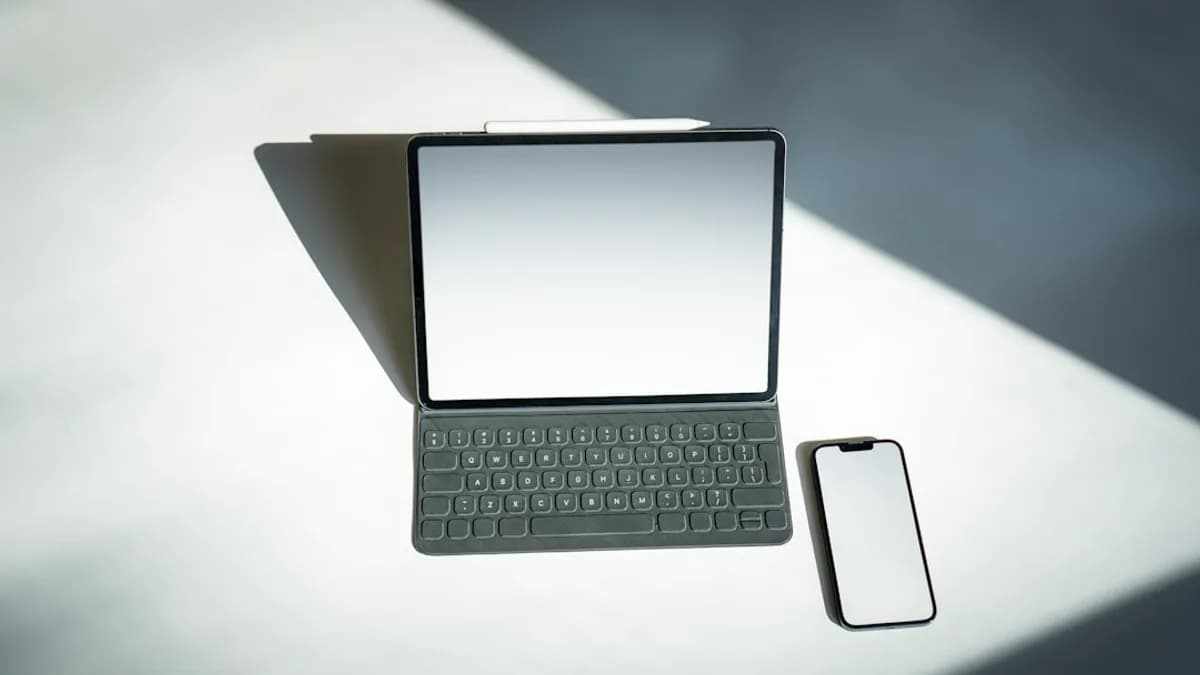
A new portable computer, the Orion PDA, is drawing attention for its solar-charging capability and physical keyboard—features rarely combined in today’s handheld devices. The Orion PDA’s design nods to classic PDAs but adds a solar panel for extended battery life, aiming to cut the need for constant recharging. The device also breaks from the all-touchscreen norm, opting for a hardware keyboard that suggests a focus on efficient, tactile input. These details come from Notebookcheck.
The Orion PDA’s exact launch date, price, and full technical specifications remain undisclosed. The announcement positions the device as a modern throwback, targeting users who value portability and self-sufficiency. In a market dominated by glossy, sealed phones and tablets, the Orion PDA’s feature set stands out.
Why Solar Charging and a Physical Keyboard Matter
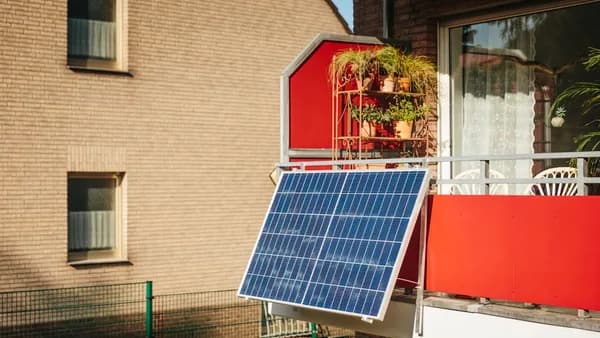
Solar charging isn’t just a gimmick here. By integrating a solar panel, the Orion PDA promises longer uptime in environments where outlets are scarce. For users who spend long hours away from power—think field work, travel, or outdoor note-taking—this could mean the difference between finishing a project and scrambling for a charger. Hardware keyboards are equally rare in today’s pocket computers but remain popular with users who need to write quickly and accurately on the go.
The physical keyboard sets the Orion PDA apart from the vast majority of touchscreen-only devices. Typing on physical keys is still faster and more reliable for many tasks, from coding and writing to data entry. This design choice signals that Orion isn’t chasing the mainstream smartphone crowd; instead, it’s courting users who want a tool, not just a media device.
Analysis: The Orion PDA’s combination of solar charging and a physical keyboard directly addresses pain points left by most modern handhelds—limited battery life and touchscreen typing frustration. The device’s appeal will likely hinge on how well it delivers on these promises. If battery life truly stretches thanks to the solar panel, that’s a genuine productivity boost. If the keyboard feels like a serious work tool, not a toy, the Orion PDA could carve out a small but loyal following.
What Remains Unclear About the Orion PDA
So far, key details are missing. There’s no information on the device’s operating system, processor, screen size, connectivity options, or durability. Pricing and availability are also unknown. Without these specs, it’s impossible to judge whether the Orion PDA is a niche curiosity or a practical alternative to existing devices.
Another unanswered question is who will actually build and support the Orion PDA, and whether it will ship as a finished product or remain a one-off project. There’s no mention of software capabilities or app support, both of which will determine the PDA’s usefulness beyond its hardware tricks.
What to Watch Next: Release, Price, and Real-World Impact
With so much still under wraps, the Orion PDA’s real-world impact depends on how the next phase plays out. Will the solar panel deliver meaningful battery gains, or is it just a backup? Can the physical keyboard compete with the best legacy PDA designs? And ultimately, will the device find a committed user base, or will it remain a curiosity for enthusiasts?
Keep an eye on future updates from the developer for firm pricing, a launch timeline, and more technical disclosures. If the Orion PDA delivers on its promise of independence from wall chargers and restores some tactile joy to mobile computing, it could become a cult classic among those who demand more from their pocket computers. For now, Orion is a bold concept, short on details but long on potential.
Why It Matters
- The Orion PDA combines solar charging and a physical keyboard, addressing needs unmet by most modern handheld devices.
- Solar charging enables longer use in remote or outdoor settings where access to electricity is limited.
- A hardware keyboard appeals to professionals who require fast, accurate typing and efficient mobile productivity.