Why the iPhone 18 Pro’s New Features Could Disrupt the Smartphone Upgrade Cycle
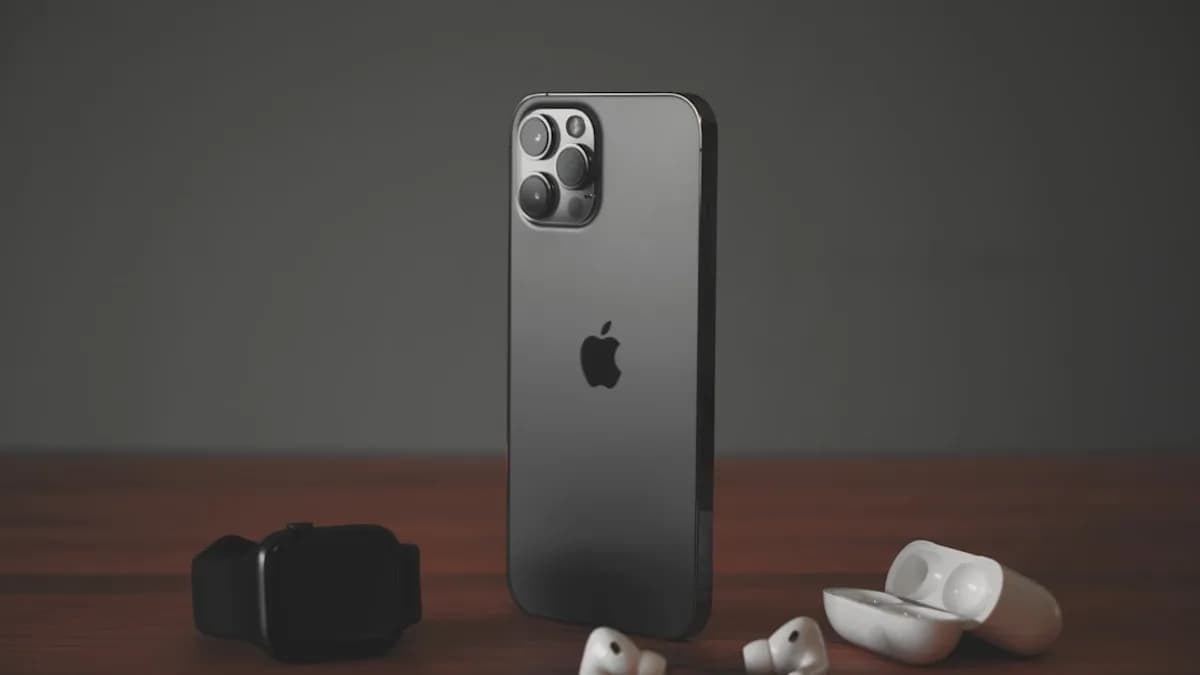
Apple’s iPhone 18 Pro is set to launch this fall, and three new features are positioned as the main selling points, according to 9to5Mac. This signals a calculated push to reignite consumer enthusiasm in a market where many users are holding onto devices longer than ever. The psychology behind upgrades is simple: most users need a clear, tangible gain to justify leaving a working phone behind. Minor spec bumps rarely spark mass migrations.
Apple appears to be aiming directly at this hesitation. By packaging three headline features—details of which are teased as top motivators—the iPhone 18 Pro could reset expectations for what’s worth an upgrade. The strategy is clear: give users features that feel genuinely new, not just incrementally better, to accelerate the replacement cycle and keep Apple’s upgrade engine running hot.
If these features deliver, they could not only shift Apple’s sales curve but force competitors to speed up their own innovation cycles. In an industry obsessed with “the next big thing,” Apple is betting that three is the magic number to break upgrade inertia.
Breaking Down the Three Major Features of the iPhone 18 Pro
While 9to5Mac hints at three major upgrades coming to the iPhone 18 Pro, it stops short of detailing exactly what they are. This lack of specificity is a deliberate part of Apple’s hype machine—driving speculation and conversation in advance of the official reveal.
Historically, Apple’s top-line features have revolved around camera improvements, display changes, and foundational hardware leaps (like processor upgrades or new materials). The “three new features” claim primes users to expect at least one headline hardware change, one major software or interface improvement, and a camera or display upgrade. These are the areas where previous Pro models have justified their premium.
What is clear is that Apple is not promising a mere refresh. The language used by 9to5Mac and echoed across the Apple rumor mill is designed to set consumer expectations for something more impactful than a color option or battery tweak. The implication: these features are intended to be visible, tangible, and potentially exclusive to the Pro line—raising the stakes for anyone considering a standard iPhone 18.
Quantifying the Impact: What We Know About Upgrade Behavior
The source does not provide recent statistics on upgrade rates or feature adoption, but the timing and framing of the iPhone 18 Pro’s feature set are not accidental. Apple’s own trade-in promotions and marketing consistently highlight how their devices “hold their value,” an implicit nod to the fact that users are waiting longer to upgrade.
MLXIO analysis: When Apple publicly leans into three new features as “upgrade motivators,” it signals internal awareness that routine improvements aren’t moving the needle. The company is aiming to create a new “must-have” cycle. If these features resonate—especially if paired with trade-in deals—it could translate into a measurable uptick in adoption among users who previously sat out the last generation or two.
Diverse Stakeholder Views: Consumer and Analyst Reactions
Consumer expectations are already mounting, as seen in online discussions and comment threads. The recurring theme: users are tired of annual upgrades that feel indistinguishable. The mention of “three new features” has triggered widespread speculation, with many hoping for transformative changes rather than cosmetic tweaks.
From the analyst side, the absence of concrete details means most commentary is in the realm of “wait and see.” Some skepticism lingers—a legacy of past launches where headline features failed to change day-to-day experience for most users. The stakes are high for Apple: if these features underwhelm, the Pro line could face a rare credibility gap.
From Past to Present: Measuring Up to Previous iPhone Generations
A decade of iPhone releases shows a clear pattern: every few years, Apple introduces a leap (Face ID, ProMotion, major camera upgrades) followed by a string of incremental refinements. The framing of the iPhone 18 Pro’s three new features suggests Apple is positioning this as a “leap” year, not a “refinement” year.
MLXIO inference: If the features are as substantial as the marketing hints, the 18 Pro could join the ranks of “major” iPhone launches that reset user expectations and industry benchmarks. If not, it risks being lumped in with the quieter years where the most vocal reaction is, “That’s it?”
What the iPhone 18 Pro Means for Users and the Smartphone Industry
For current iPhone owners, the decision calculus is about perceived value. If the three new features are visible in daily use—rather than tucked away in edge-case scenarios—the 18 Pro could become the default upgrade choice for anyone with a phone older than two years.
For the industry, Apple’s move raises the bar on what a flagship refresh should deliver. The threat: if Apple succeeds in making three truly new features the standard for a premium upgrade, rivals will need to respond or risk irrelevance in the premium tier.
What Remains Unclear and What to Watch
The biggest unknown is what the three features actually are. Without specifics, all analysis is speculative. Apple’s track record suggests the reveal will be staged for maximum impact, possibly with one “surprise” feature that wasn’t widely leaked or anticipated. The effectiveness of this upgrade push will depend entirely on whether these features feel essential—or merely clever.
What to watch: actual user reaction once features are unveiled, early hands-on reviews, and whether trade-in and carrier deals are juiced to drive volume. The next few months will reveal whether this is a true inflection point—or just a well-orchestrated marketing crescendo.
Why It Matters
- The iPhone 18 Pro could disrupt the trend of consumers holding onto devices longer by introducing three significant new features.
- Apple's strategy may accelerate the smartphone replacement cycle and pressure competitors to innovate faster.
- Anticipation around these upgrades highlights how major feature changes, not minor improvements, drive consumer upgrades.