On April 15, ENGWE unveiled the ZIP folding e-bike as its entry into urban folding models; by May 31, the bike was being positioned for global buyers with a headline mix of 120 km claimed range and 100 W USB-C PD charging.
The Engwe Zip is now available through Engwe’s website at €1,099, according to Notebookcheck. The compact e-bike pairs a 250 W rear hub motor, 40 Nm of torque, and a 360 Wh removable battery with a folding frame built for riders who care as much about storage as range.
April 15 launch frames the Zip as Engwe’s portable city bike
Engwe’s pitch is blunt: the Zip is not trying to be a fat-tire bruiser. It is a compact folding e-bike aimed at carrying, storing, and charging more easily in daily use.
The company says the Zip uses a single-side front-fork folding design intended to save space while maintaining stability and safety. Folded, it measures 625 x 623 x 374 mm and weighs 19.4 kg with the battery installed, according to Notebookcheck.
“ZIP addresses everyday commuting challenges—carrying, storing, and charging—while marking ENGWE's official entry into the urban folding bike market,” ENGWE said in its April launch announcement via PRNewswire.
The bike’s steel frame supports a maximum payload of 120 kg. It runs on 16 x 1.95-inch urban hybrid tires, uses hydraulic disc brakes with 160 mm rotors, and adds a seat tube suspension rather than full suspension.
The range claim is the number that will draw the most attention. Engwe says the 360 Wh battery can deliver up to 120 km, or about 75 miles, of assistance on one charge. The battery also includes BMS protection and is certified to EN50604.
Analysis: that makes the Zip most interesting for riders who need an e-bike that can disappear into tight spaces — apartments, offices, elevators, train trips, or an RV storage bay. Those use cases follow from the folded size and weight claims, not from a real-world MLXIO test.
May 31 listing puts USB-C charging at the center of the pitch
The unusual feature is not the motor. It is the charging setup.
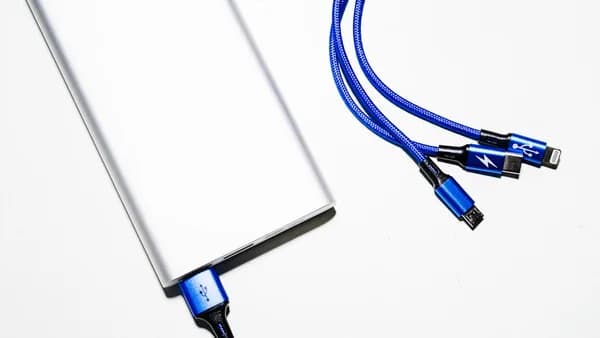
The Engwe Zip supports 100 W USB-C PD charging functionality, a notable departure from the proprietary chargers common across many e-bikes. Electrek reported that the setup allows riders to charge the bike with a standard laptop charger, while Engwe’s launch material describes the removable battery as a PD3.0 USB-C power bank.
That distinction matters. The supplied materials point to USB-C PD as both a charging convenience and a device-power feature, but they do not fully spell out every regional charger configuration, included accessory, or adapter requirement.
| Feature | Engwe Zip detail from supplied sources |
|---|---|
| Motor | 250 W rear hub motor |
| Torque | 40 Nm |
| Battery | 360 Wh, removable, BMS-protected |
| Claimed range | Up to 120 km / 75 miles |
| Charging | 100 W USB-C PD functionality |
| Weight | 19.4 kg with battery |
| Price | €1,099 listed by Notebookcheck and Engwe’s EU page |
For commuters, the appeal is practical: one high-power USB-C charger could potentially handle a laptop and bike battery top-up. That reduces charger clutter, if Engwe’s final package and regional hardware match the promise.
This is also where broader hardware design matters. MLXIO readers tracking USB-C trade-offs may want the related device-side context in USB-C Flaw Locks OnePlus Nord 6 Out of Big Screens, while folding hardware watchers can compare the portability focus with Case Leak Exposes Foldable iPhone Ultra Before Apple.
Current €1,099 price shifts attention to range, service, and local fit
Engwe’s official EU storefront lists the ENGWE Zip as a new model at €1,099, with Olive Green and Grey shown as color options. Notebookcheck lists the available colors as olive green and space gray.
There is one pricing wrinkle. Engwe’s April PRNewswire launch announcement cited €999 / £899 during an anniversary campaign window running from April 15 to May 6. The current source material points to €1,099 as the live purchase price.
The bike’s 250 W motor and 40 Nm torque place it squarely in assisted urban mobility rather than heavy-duty riding. Electrek also reported a 25 km/h limit, describing the performance figures as aligned with European-market expectations.
Range will be the test. A 120 km figure from a 360 Wh battery is likely tied to low-assist, favorable riding conditions. Real results will depend on rider weight, terrain, assist mode, speed, temperature, stops, and payload.
Engwe has included several features that help the spec sheet feel less bare: a 3.2-inch color LCD display, Bluetooth connectivity, a torque sensor, and a Shimano 7-speed drivetrain, according to the supplied launch material and related reporting. The display shows speed, battery level, riding mode, and other ride data; Bluetooth lets riders view that information on a smartphone.
The next decision point is not whether the Zip is compact on paper. It is whether Engwe can make the USB-C battery experience as convenient in daily use as the spec sheet suggests, and whether buyers see enough real-world range at €1,099 to choose it over heavier, cheaper, or longer-range folding e-bikes.
Key Takeaways
- The Engwe Zip targets urban riders who need a compact e-bike that folds for apartments, offices, or transit.
- Its claimed 120 km range and 100 W USB-C PD charging make convenience a major selling point.
- At €1,099, it enters the folding e-bike market with commuter-focused specs like a 250 W motor, hydraulic disc brakes, and a 19.4 kg frame.