Dell XPS 13 2026 makes the $699 ultraportable feel premium again
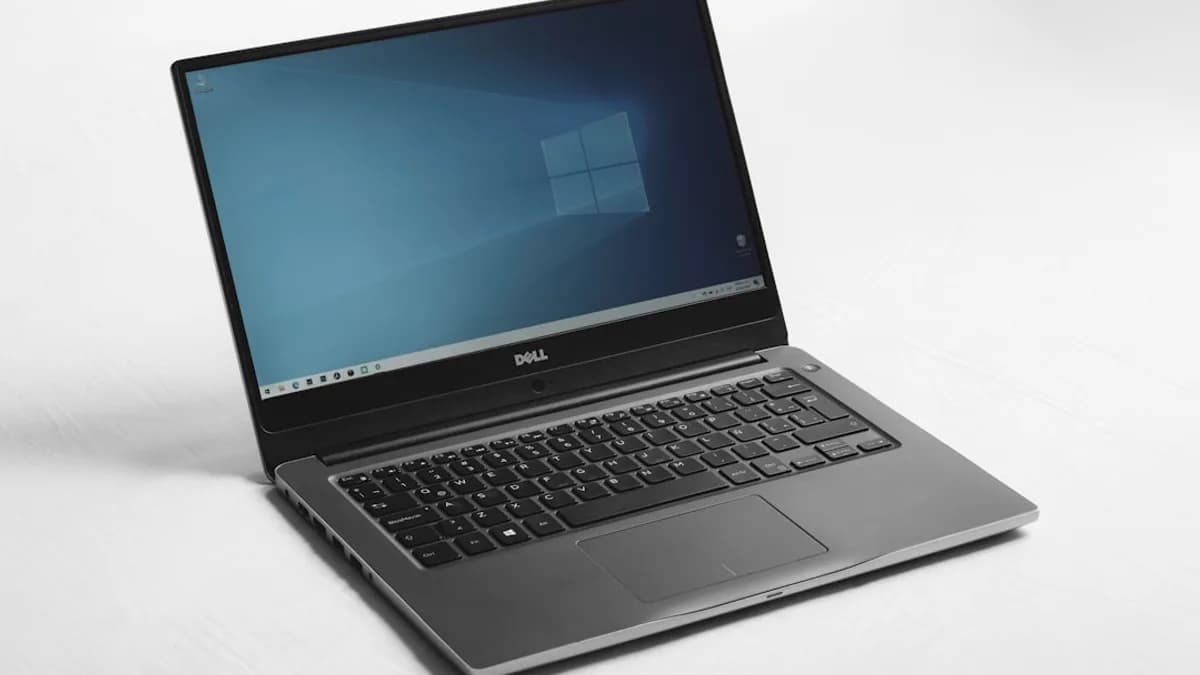
$699 is the number that makes the Dell XPS 13 2026 dangerous: Dell is selling a slim, well-built Windows ultraportable with a high-resolution, colorful 120 Hz display at a price where buyers usually brace for plastic, dim panels, and obvious compromises.
That is the real story here. The new XPS 13 is not merely “a cheaper MacBook Neo alternative.” It is the first Windows laptop in this bracket that credibly challenges Apple’s MacBook Neo on value, polish, and daily usability, according to Notebookcheck.
Apple set the trap with the MacBook Neo: a compact premium machine that made many budget Windows laptops look lazy. Dell’s response is unusually direct. The XPS 13 brings excellent build quality, a high-resolution colorful 120 Hz display, and good performance into a product that starts at $699.
That is the disruption. Not that Dell built another nice XPS. Dell has taken the usual XPS identity and pushed it into a price tier where the compromises are often obvious the moment you open the lid.
A high-resolution 120 Hz display gives the XPS 13 an edge Apple cannot ignore
The display may be Dell’s strongest argument. A high-resolution 120 Hz panel changes how a laptop feels before benchmarks enter the conversation. Scrolling looks cleaner. Cursor movement feels sharper. The machine seems quicker because the screen stops fighting the hardware.
That matters because budget-friendly premium laptops often hide their savings in the panel. A lower-refresh screen or washed-out display does not show up as dramatically as a bad processor in a spec debate, but it shapes every minute of use. You write on the screen. Browse on it. Stream on it. Edit on it. Stare at it for hours.
Here is the clean comparison from the supplied facts:
| Feature | Dell XPS 13 2026 | MacBook Neo |
|---|---|---|
| Starting price | $699 | Not specified in the supplied Notebookcheck excerpt |
| Build | Excellent build quality | Not detailed in the supplied Notebookcheck excerpt |
| Display | High-resolution, colorful 120 Hz display | Not detailed in the supplied Notebookcheck excerpt |
| Performance | Good performance | Referenced as the comparison target, but not detailed in the supplied excerpt |
| Ports | Not detailed in the supplied Notebookcheck excerpt | Not detailed in the supplied Notebookcheck excerpt |
| Battery claim/test | Not detailed in the supplied Notebookcheck excerpt | Not detailed in the supplied Notebookcheck excerpt |
This is where Dell’s move lands hardest. Apple has made the Neo feel like the sensible default for buyers who want a compact, polished laptop. Dell is answering with a screen and build that, in the supplied Notebookcheck material, look more ambitious than the price suggests.
For broader laptop value context, MLXIO has been tracking how premium machines are being judged less by brand mythology and more by the total package, including in MacBook Pro Undercuts Lenovo Yoga by $600—and Wins and RTX Spark Yoga Pro 9n Leak Rattles MacBook Pro Plans.
The 8 GB RAM debate misses how most XPS 13 buyers actually use laptops
The loudest objection is also the most predictable: 8 GB of RAM on a Windows 11 laptop in 2026 sounds thin. On a spec sheet, it looks like Dell cheaped out. In the supplied Notebookcheck material, though, the concern appears less damning than the number alone suggests.
Notebookcheck’s framing is that the XPS 13 delivers good performance despite the 8 GB configuration. That does not make the memory ceiling irrelevant, and it does not turn the base model into a machine for every workload. It does suggest that the panic around the spec may be stronger than the early evidence supports.
That distinction matters. A buyer choosing a compact laptop for everyday work is not always shopping for workstation headroom. The question is whether the machine feels responsive and balanced for common use, and Notebookcheck’s early coverage points to an XPS 13 that performs well while also offering a premium-feeling design and a strong display.
The mistake is treating one spec line as the whole machine. A better display, stronger build, good performance, and lower price can matter more than extra memory a buyer never stresses. That is not an excuse for every 8 GB laptop. It is a reminder that experience beats scoreboard thinking.
Power users should still be skeptical. If your day includes heavy editing, large local projects, or aggressive multitasking, the base XPS 13 is not suddenly a workstation because it looks good. The better argument is narrower: for mainstream jobs, the early concern around 8 GB RAM looks overdone, but full reviews still matter.
Dell finally gives MacBook Neo shoppers a Windows laptop with comparable polish
The MacBook Neo’s biggest advantage is not just price perception. It is confidence. Buyers expect Apple to deliver a clean-feeling object, tight integration, and a laptop that does not feel like a compromise before the operating system even loads.
Windows laptops at lower prices have often lost that argument early. Notebookcheck’s early reaction to the Dell XPS 13 2026 is striking because it points to the qualities that usually separate premium machines from budget ones: excellent build quality, a high-resolution colorful 120 Hz display, and good performance.
That is why the comparison is fair. A Windows machine cannot challenge a MacBook on value if it feels cheaper every time you touch it. Dell seems to understand that. The new XPS 13 keeps the brand’s premium design language and drags it into a more aggressive price bracket.
Battery life will still need proper review evidence before anyone crowns a winner. The supplied Notebookcheck material supports the broader value story, but it does not establish a precise battery advantage over the MacBook Neo.
That does not crown a winner. It does make the XPS 13 harder to dismiss.
The case against the XPS 13 is real: 8 GB RAM may age faster than the chassis
The strongest counterargument is longevity. A laptop can feel fast in early impressions and still age poorly if memory becomes the ceiling. Browsers grow heavier. Creative apps ask for more. AI features may add pressure. Multitasking habits rarely get lighter over time.
That concern is not irrational. It is the best argument for caution, especially for buyers who keep laptops for five years or more. A premium chassis can still look modern after years of use. 8 GB RAM may not feel as fresh.
Apple also keeps advantages that Dell cannot copy with a sharp panel and strong build quality alone. For buyers already committed to Apple software and services, the Neo may remain the safer, simpler pick.
Early impressions are also not a full review. Notebookcheck explicitly reserves final judgment. Sustained performance, thermals, fan behavior, battery consistency, and long-term reliability still need proper testing. A great first look is not the same as proof.
At $699, the XPS 13 should force every laptop maker to justify its compromises
Dell has set a sharper benchmark for the sub-$700 premium-feeling ultraportable. If the final reviews hold up, the XPS 13 2026 will make it harder for laptop makers to defend dull displays, flimsy construction, and weak overall polish as unavoidable at this price.
The practical advice is simple: do not buy or reject this laptop because of one spec. Judge the balance. If your work is routine and your priorities are screen quality, build, portability, and price, the XPS 13 deserves serious attention. If your workloads are heavy or your ownership cycle is long, wait for full reviews or consider more memory if the configuration exists in your market.
The MacBook Neo made the compact premium laptop feel attainable. The Dell XPS 13 2026 may be the Windows machine that forces everyone else to prove why attainable should still mean compromised.
The Bottom Line
- Dell is pushing premium laptop features into a much lower $699 price tier.
- The 120 Hz display could make the XPS 13 feel faster and more refined in everyday use.
- Apple’s MacBook Neo now faces a stronger Windows alternative on value and usability.