Lenovo’s leaked Yoga Pro 9n signals a sharper threat to high-end MacBook Pro machines than another routine Windows creator laptop refresh. The reason is not just the chassis, the OLED panel, or the Yoga branding. It is the alleged pairing of Lenovo’s premium creator-laptop design with Nvidia RTX Spark, an ARM-based platform built around a 20-core CPU and Blackwell GPU.
The details come from leaked images and specifications published by Windows Latest and reported by Notebookcheck. Lenovo had already shown the Yoga Pro 9n at Nvidia’s RTX Spark launch event, but Notebookcheck says the company confirmed very few specifications in early June. The new leak fills in the blanks: 15-inch OLED, up to 128GB of unified memory, 6,144 CUDA cores, Windows on ARM, six speakers, a backlit keyboard, stylus-supported haptic trackpad, and a fall 2026 launch window.
That combination matters because Lenovo appears to be aiming the Yoga Pro 9n at the same buyer who would usually look at a top-end Apple Silicon laptop: creators, developers, and AI-heavy users who want serious RTX laptop performance without carrying a thick workstation. The counterpoint is simple: this is still a leak. Pricing, regional availability, storage options, final performance, and even launch timing can change before Lenovo makes the machine official.
Why the Yoga Pro 9n leak points at a new Windows creator-laptop fight
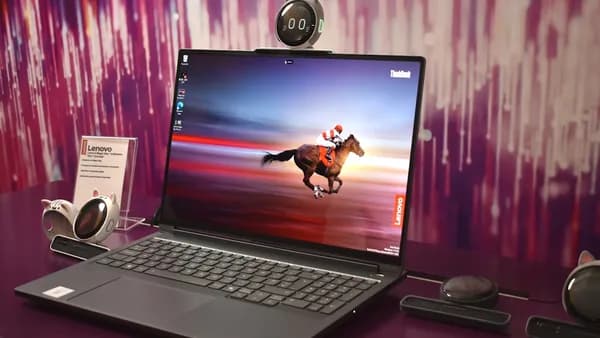
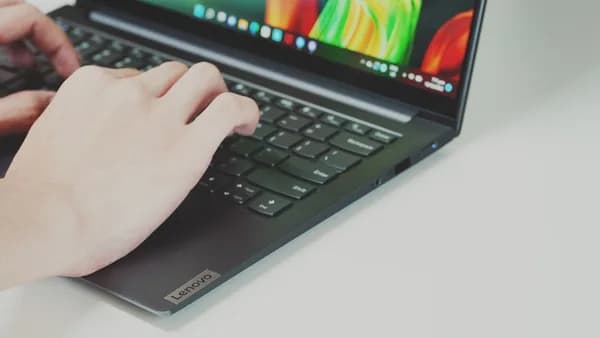
The Yoga Pro 9n looks like Lenovo’s attempt to turn Nvidia’s RTX Spark platform into a polished MacBook Pro rival, not just a technical demo. Notebookcheck says the machine looks almost identical to the Intel-based Yoga Pro 9i, but the RTX Spark version is slightly more compact and uses a 15-inch OLED display rather than the 16-inch format associated with the current Intel model.
That design choice matters. Lenovo is not leaking as a bulky engineering box built only to prove Nvidia silicon can run Windows. It appears to be a creator laptop with a full port loadout: two USB-C ports, two USB-A ports, HDMI, an SD card slot, and a 3.5 mm headphone jack. Windows Latest also reports USB-C charging and a full-size SD card reader, details that would matter to photographers weighing camera upgrades and video editors.
The strongest counterpoint is that premium hardware design does not guarantee premium experience. Windows on ARM still has to carry the workload. Apps, drivers, plugins, and peripheral support will decide whether this machine feels like a finished creator laptop or a fast chip trapped in compatibility caveats.
Still, the direction is clear. As we noted in Nameless Nvidia RTX Spark Mini PC Puts HP in Apple’s Lane, RTX Spark is already being framed beyond traditional gaming PCs. The Yoga Pro 9n leak suggests Nvidia and Lenovo want that fight inside thin creator laptops too.
RTX Spark turns the Yoga Pro 9n into a single-chip Nvidia ARM machine
RTX Spark is the real story because it changes the Windows laptop architecture Lenovo is using. According to the leak, the Yoga Pro 9n uses Nvidia RTX Spark (N1X), combining CPU and GPU resources in one ARM-based platform rather than pairing an Intel processor with a separate Nvidia GPU.
Notebookcheck lists the chip with ten ARM Cortex-A925 Prime cores, ten Cortex-A725 Performance cores, and a graphics chip with 6,144 CUDA processing units. Windows Latest describes the same platform as a 20-core Nvidia Grace CPU plus a Blackwell GPU with fifth-generation Tensor Cores and NVLink-C2C interconnect. The reported memory ceiling is up to 128GB, accessible by both the processor and graphics chip.
| Reported area | Lenovo Yoga Pro 9n leak |
|---|---|
| Platform | Nvidia RTX Spark (N1X) |
| CPU | 20 ARM cores |
| GPU | Blackwell, 6,144 CUDA cores |
| Memory | Up to 128GB unified memory |
| Display | 15-inch OLED |
| OS | Windows on ARM |
| Availability | Fall 2026, per Notebookcheck |
The thesis: this is Nvidia’s clearest laptop answer to Apple’s integrated silicon model. The comparison to Apple’s M5 Max is not about one benchmark category. It is about CPU, GPU, AI acceleration, memory access, battery life, and thermals working together inside one premium machine.
The risk sits in software. ARM can bring efficiency advantages, but Windows laptops live or die by app compatibility and driver quality. If key creative apps run natively and Nvidia’s stack is mature, RTX Spark becomes compelling. If users rely on emulation or hit plugin gaps, the spec sheet will not save it.
The real M5 Max test is sustained creator work, not spec-sheet muscle
The Yoga Pro 9n will not beat Apple’s high-end laptops by having more impressive numbers on paper; it has to sustain performance under real creative loads. The obvious battlefields are video editing, 3D rendering, AI-assisted creative tools, software builds, gaming, and heavy multitasking.
Nvidia’s strongest card is CUDA. Many professional workloads already benefit from Nvidia GPU acceleration, and a Blackwell-based GPU with 6,144 CUDA cores gives the Yoga Pro 9n a credible path into rendering, effects, and local AI tasks. Windows Latest also lists up to 1 petaflop of FP4 AI performance, which would make on-device AI one of the platform’s headline claims if confirmed.
Apple’s counter is integration. The MacBook Pro line benefits from tight hardware-software coordination, mature creative workflows, and battery-efficient performance. Lenovo and Nvidia have to match not just peak speed, but sustained performance, heat control, fan noise, sleep behavior, display calibration, and battery life under load.
That is where benchmarks will matter. Notebookcheck says the RTX Spark chip’s integrated GPU is expected to fall just below the Nvidia GeForce RTX 5070 Ti laptop GPU because of lower TGP. That would be strong for a thin creator machine, but only controlled testing can show whether the Yoga Pro 9n holds that level across long exports or extended rendering sessions.
OLED, pen-on-trackpad input, and ports make this more than an AI chip demo
Lenovo appears to be building the Yoga Pro 9n around creator workflow details, not just Nvidia silicon. The leaked model includes a 15-inch OLED display, which matters for photo, video, and design work because OLED can deliver deep blacks, high contrast, and strong HDR presentation. The leak also references Lenovo PureSight Pro and Dolby Vision branding.
The input setup is more unusual. Notebookcheck says the laptop has a large haptic multitouch trackpad that can be used with a stylus. Windows Latest reports that the Yoga Pen Gen 2 attaches magnetically to a recessed slot on the back of the screen, and that the pen is meant for the touchpad rather than the display.
That is a specific creator bet. A haptic trackpad can offer consistent click feel across the surface and fewer mechanical constraints. Stylus input on the trackpad could help with masking, sketching, retouching, timeline navigation, or precision edits without requiring a separate tablet.
There are trade-offs to watch. OLED laptops can raise questions around burn-in risk, brightness-related battery drain, and price. The leak does not provide battery capacity, panel brightness, refresh rate, color coverage, storage speeds, weight, or final price. Those missing details will decide whether this is a premium tool or just an expensive showcase.
A travelling creator workflow shows where RTX Spark could win — or stall
The best case for the Yoga Pro 9n is a creator who needs GPU acceleration, local AI tools, and a strong display away from a desk. Take a freelance video editor working with 4K or 8K footage, AI denoising, color grading, and quick client revisions while traveling. In that workflow, the reported RTX Spark hardware could help through CUDA acceleration in supported apps, GPU-assisted effects, faster previews, and on-device AI processing.
The up to 128GB unified memory claim is especially relevant. Large timelines, high-resolution media, AI models, and multitasking can all push memory hard. A shared memory pool accessible by CPU and GPU could reduce friction if the software stack is tuned for it.
The OLED panel then becomes more than a spec-box feature. It gives the editor a better surface for visual review and HDR previews. The haptic trackpad and pen support could make timeline scrubbing, masking, and brush work easier when there is no external mouse or tablet nearby.
But this scenario also exposes the risk. If the editor’s core apps, codecs, plugins, or capture hardware do not behave well on Windows on ARM, the hardware advantage shrinks fast. That is why our earlier look at 128GB RTX Spark Dev Box Puts Apple's Mac Studio on Notice matters: high-memory RTX Spark hardware is interesting, but the software layer has to prove it can carry pro workflows.
The questions buyers should ask before trusting the Yoga Pro 9n leak
The Yoga Pro 9n leak is exciting because the hardware direction is specific, but buyers should treat every purchase decision as premature until Lenovo confirms the machine. The open questions are not minor. Lenovo has not confirmed final price, exact launch date, regional availability, weight, battery capacity, charger size, storage configurations, display brightness, refresh rate, or the full RAM lineup.
The biggest technical question is Windows on ARM. Buyers should ask whether their key apps run natively, whether plugins work, whether GPU acceleration is available, and whether drivers are ready for printers, cameras, audio gear, docks, and storage devices. Core counts alone will not answer any of that.
The practical takeaway: do not compare the Yoga Pro 9n to a MacBook Pro by CPU cores or CUDA cores alone. Compare sustained performance, native app support, thermals, battery life under load, display quality, port behavior, and final price.
If the leak is accurate, 2026’s premium laptop fight could shift from Mac versus Intel to Apple Silicon versus Nvidia ARM. The watch item now is whether Lenovo turns this leaked spec sheet into a shipping laptop that creators can trust for paid work, not just admire from product renders.
The Bottom Line
- Lenovo may be preparing a stronger Windows rival to high-end Apple Silicon MacBook Pro models.
- Nvidia RTX Spark could bring serious ARM-based AI and creator performance into a thinner premium laptop design.
- Key details like pricing, availability, storage, and final performance remain unconfirmed because this is still a leak.