Vital Signals is asking U.S. buyers to pay $399 for a smart ring that claims to measure systolic and diastolic blood pressure without a cuff, without calibration, and before its medically validated version is available.
That is the whole tension in one sentence. The Signal Ring, reported by Notebookcheck, targets one of the most stubborn problems in consumer health tech: blood pressure is high-stakes, often checked badly, and still commonly measured with cuff-based methods that trace back more than 150 years.
If the ring works as advertised, it could make blood pressure monitoring less episodic and more continuous. If it does not, it risks turning a serious health metric into another noisy wearable chart.
A $399 ring takes aim at the cuff
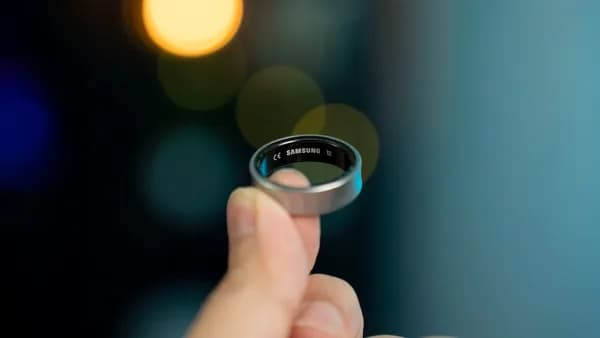
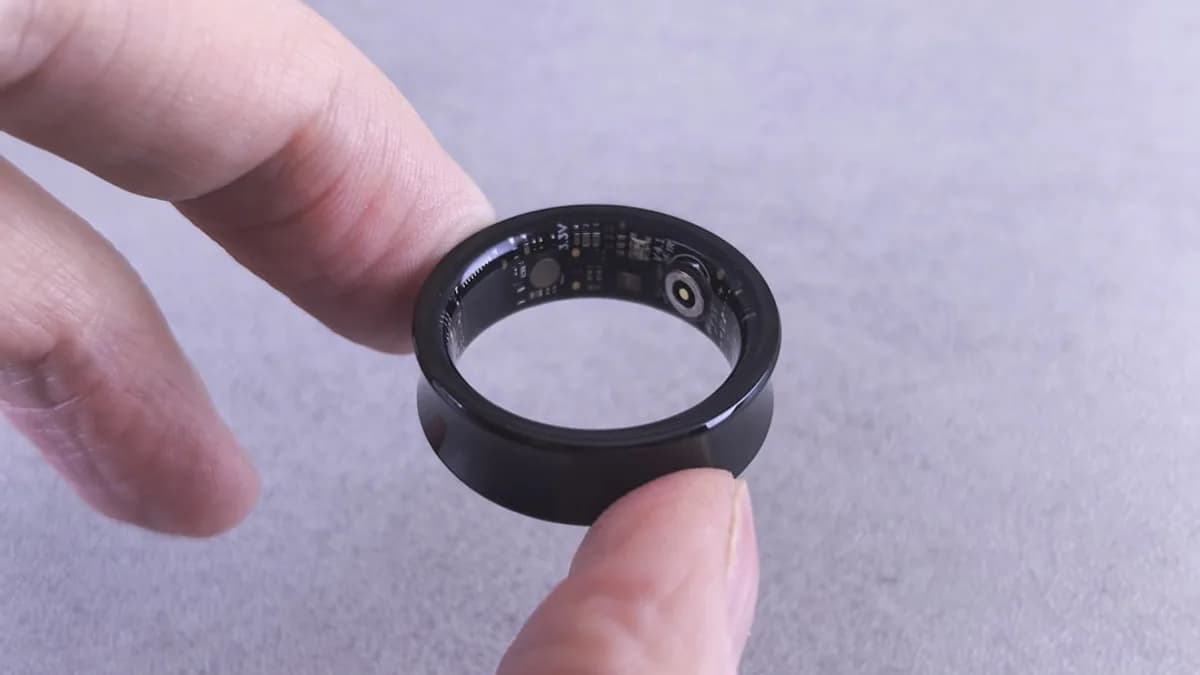
The Signal Ring is a Bluetooth LE smart ring from California startup Vital Signals, founded by CEO Tom Moss after what he described as a near-fatal experience with undiagnosed hypertension. The product is now available for U.S. preorder at $399, with shipping scheduled to begin in October.
The headline claim is unusually aggressive: no upper-arm cuff, no wrist cuff, and no cuff-based setup reading for calibration. Vital Signals says the ring can collect blood pressure data continuously in the background, including during sleep, while also offering on-demand readings through a guided mode called Zen Mode.
“Signal Ring measures your blood pressure without a cuff. Ever. Not even for calibration,” Vital Signals says on its product page.
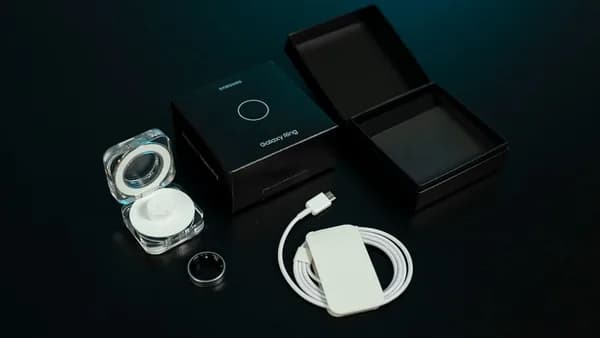
The company says data flows into an Android or iOS app and can sync with Google Health or Apple Health. The ring is listed as IP68 dust- and water-resistant, comes with a charging case, and offers 5 days of battery life, according to the supplied product details.
For buyers, the practical pitch is simple: replace occasional cuff checks with a ring that is always present. The medical question is harder: whether the readings are reliable enough to guide decisions.
Vital Signals is selling convenience before clinical certainty
Vital Signals is not only selling a wearable. It is selling relief from the ritual of blood pressure measurement.
Traditional cuff readings can vary depending on how the cuff is worn, whether the user is nervous, or whether they drank coffee before measuring, according to comments attributed to Moss in the source material. Vital Signals argues that continuous tracking can show blood pressure as a pattern rather than a single moment.
That distinction matters. A cuff gives one reading at one time. A ring, if accurate, could show how blood pressure changes across sleep, stress, exercise, rest, and daily routines.
But the current consumer version should not be treated as a diagnosis tool. Notebookcheck notes that a medically validated version is planned, tied to an ongoing study at four U.S. universities, including Stanford. That implies the preorder version is not the same as a clinically validated hypertension diagnostic device.
Android Authority also reports that the Signal Ring has not yet received FDA clearance. That caveat should sit at the top of any buyer’s mental checklist.
For readers following consumer hardware timing more broadly, this differs from the usual launch-cycle calculus we see around Samsung devices, such as MLXIO’s Galaxy Watch 9 coverage or Galaxy Unpacked invite coverage. Here, the key issue is not whether a feature ships. It is whether the number on screen can be trusted.
The finger reading hinges on pulse waves, not pressure
A cuff measures blood pressure by physically squeezing the arm, restricting blood flow, then detecting when flow returns. Signal Ring does not do that.
Vital Signals says the ring uses an optical sensor to read changes in blood flow from the finger. The company claims its sensor is four to five times faster than competing products, with higher resolution that can capture more detail from heart-rate and pulse-wave data. Proprietary algorithms then convert those signals into blood pressure readings.
That puts the Signal Ring in a very different category from an inflatable cuff. It is not directly applying pressure and listening for flow. It is inferring pressure from patterns in the pulse.
Vital Signals describes the method this way on its site: every heartbeat changes the “shape and timing” of the pulse depending on blood pressure, and the ring’s sensor reads what the pulse wave is “already telling it.”
That explanation is plausible as a product concept, but the supplied materials do not provide a full technical breakdown. Notebookcheck specifically says neither Bloomberg nor the Signal Ring product page offers enough detail to explain why this ring should be more accurate than other wearables using PPG, or photoplethysmography.
The one concrete warning sign: Bloomberg reportedly saw incorrect measurement results during a short hands-on test, possibly because the rings did not fit properly. For a ring-based sensor, fit is not a trivial detail. Vital Signals is sending a sizing kit with sizes 5–13 later this month, which suggests the company knows fit is central to the product experience.
No calibration is the claim that needs the most proof
The most provocative part of Signal Ring’s pitch is not “cuffless.” It is no calibration.
Many cuffless systems still ask users to take an initial reading with a conventional cuff. That baseline helps the software personalize future estimates. Vital Signals says Signal Ring does not need that step because its sensor and algorithms can separate changes in arterial tone from actual blood pressure changes.
If true, that would remove a major source of friction. No separate device. No recurring calibration. No setup chore that users ignore after the first week.
Vital Signals’ claimed comparison looks like this:
| Feature | Signal Ring, as claimed | Standard cuff | Calibration-based cuffless wearables |
|---|---|---|---|
| On-demand readings | Yes | Yes | Varies |
| Background monitoring | Yes | No | Varies |
| Cuff-free use | Yes | No | Yes |
| Calibration required | No | No | Often yes |
| Subscription required | No | No | Varies |
The convenience case is strong. The evidence case is still incomplete.
What would make the claim more credible? Published validation data, accuracy ranges, study design details, and results across a broad user group. The supplied sources mention an ongoing university study and a planned medically validated version, but they do not provide final study results.
Until that changes, “no calibration” should be read as a company claim, not a settled fact.
A daily routine could improve context — if the numbers hold
The best near-term use case is not replacing a doctor or a validated cuff. It is adding context.
A user who already checks blood pressure with a cuff could use Signal Ring to spot patterns that occasional readings miss: overnight changes, repeated spikes during certain parts of the day, or differences between passive background data and a calmer Zen Mode session.
Zen Mode is especially relevant because Vital Signals says it guides posture, slow breathing, and calming audio or animation before a reading. That is an attempt to reduce the measurement noise that can come from taking a reading in a rushed or tense state.
But the risk cuts the other way. If the ring underreads, a user may feel falsely reassured. If it overreads, it may create unnecessary alarm. That is why the medically validated version and university study matter more than the preorder page.
For now, the most cautious interpretation is this: Signal Ring may become useful for trend tracking and prompting better cuff measurements. It should not be assumed to replace medical diagnosis or medication decisions unless the clinical evidence supports that role.
Before preordering, read the medical fine print first
U.S. buyers can preorder Signal Ring now for $399 through the manufacturer’s site. The company says the sizing kit will arrive by the end of the month, and the ring plus charging case will ship beginning in October when the selected size is ready.
Before ordering, buyers should check several points:
- Regulatory status: Has the blood pressure feature received FDA clearance, or is it still a wellness feature?
- Validation: Has Vital Signals published study results, accuracy ranges, or independent testing?
- Refund terms: Preorders are described as refundable within 30 days, minus a $25 non-refundable handling fee once the sizing kit ships.
- Cloud processing: The app requires a constant cloud connection for data analysis, according to the source material.
- Subscription risk: Moss says a subscription model will never be introduced “as long as cuff-based devices don’t have one either.”
- Compatibility: The ring supports Android and iOS apps, with syncing to Google Health or Apple Health.
- Availability: Initial shipping is limited to the U.S.
Signal Ring’s promise is compelling because it attacks the worst parts of blood pressure monitoring: cuffs, calibration, isolated readings, and user inconsistency. But the claimed breakthrough depends on one thing the preorder page cannot settle by itself: reliable, repeatable readings without a cuff.
The next watch item is not the October shipment date. It is whether Vital Signals publishes enough clinical evidence to show that its ring is more than a polished health gadget with an ambitious algorithm.
Impact Analysis
- Accurate blood pressure tracking is high-stakes because missed hypertension can have serious health consequences.
- A reliable cuff-free ring could make monitoring more continuous and less burdensome for users.
- Selling the device before a medically validated version is available raises trust and accuracy concerns.