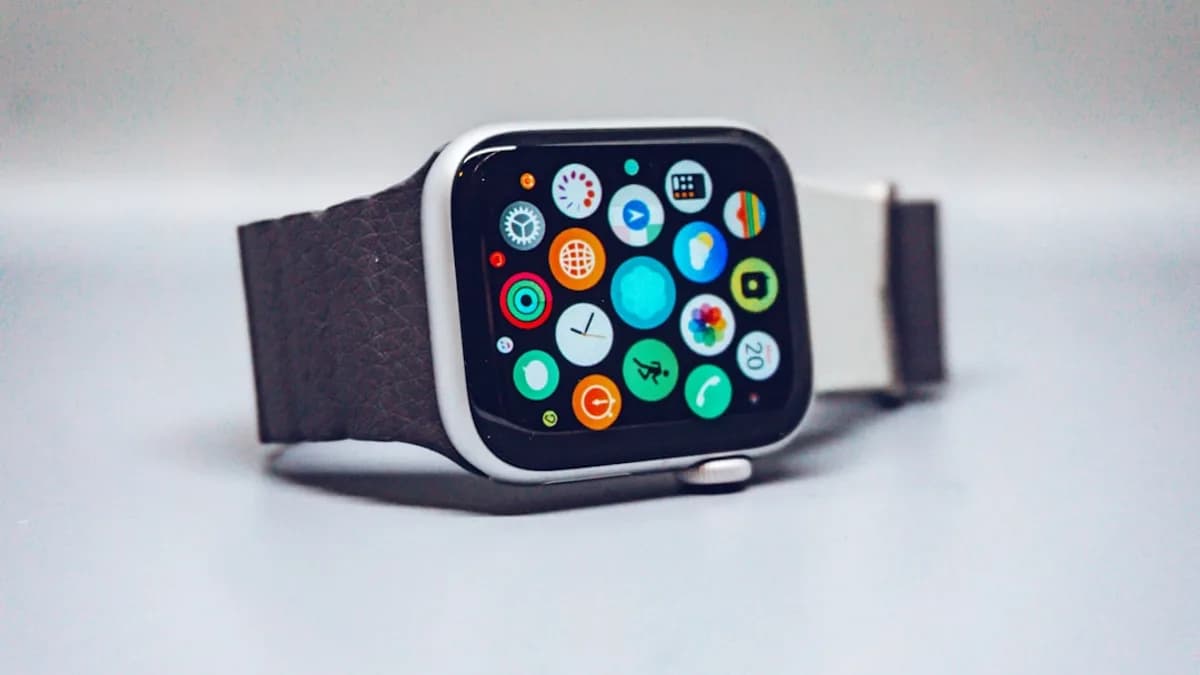
Samsung’s next Galaxy Watches are reportedly getting more expensive across every leaked European configuration before Samsung has had a chance to explain why.
That is the tension in the latest leak: the Samsung Galaxy Watch9 and Samsung Galaxy Watch Ultra2 are expected to launch at higher prices, while the supplied source material gives only limited detail on what Samsung will use to justify those increases. The watches are set to be unveiled in July, according to Notebookcheck, citing pricing uncovered by Winfuture.
The leak matters because it moves the conversation away from features and toward value, a dynamic also visible in Leapmotor B05’s VW ID.3 challenge. Samsung can still define the product story in July. But buyers now have a simpler question in front of them: will the official upgrades and launch offers justify a higher starting price?
Samsung wanted a July reveal; the price story arrived first
The expected script for a July Galaxy Unpacked reveal is straightforward: Samsung introduces the next watches, highlights upgrades, and frames the price around the new package. This leak reverses that order.
Before Samsung has made its pitch, the reported European prices already show a clean upward move:
- Galaxy Watch9 standard models: up €30 each versus their predecessors.
- Galaxy Watch Ultra2: up €50 versus the prior Galaxy Watch Ultra.
- Ultra2 configuration: reportedly available only with LTE.
That structure suggests Samsung is not only nudging the high end. It is raising the floor.
MLXIO analysis: that is the most important signal in the leak. If the report is accurate, Samsung is not testing a premium surcharge only on the Ultra model. It is asking buyers of the smallest Bluetooth-only Watch9 to accept a higher entry price too.
Samsung’s wider device rumor cycle, including the Galaxy S27 Pro chip split and the Galaxy M67 Exynos leak, has already been price-sensitive. Notebookcheck notes that higher prices had previously leaked for the Galaxy Z Fold8 Ultra, Galaxy Z Fold8 Wide, and Galaxy Z Flip8. MLXIO has also tracked related Samsung leak coverage, including August 5 Leak Puts Galaxy Z Fold 8 Buyers on Clock and Galaxy A27 Leak Hits Buyers: €70 More, Weaker Cameras. Those internal references are context for the rumor flow, not proof of a unified pricing strategy.
The leaked European table shows Samsung lifting the whole Watch9 range
The reported pricing is unusually tidy. Every standard Watch9 model rises by the same nominal amount, while the Ultra2 gets a larger absolute increase.
| Model | Leaked European price | Implied predecessor price | Increase | Calculated increase |
|---|---|---|---|---|
| Samsung Galaxy Watch9 40 mm Bluetooth | €409 | €379 | +€30 | 7.9% |
| Samsung Galaxy Watch9 40 mm LTE | €459 | €429 | +€30 | 7.0% |
| Samsung Galaxy Watch9 44 mm Bluetooth | €439 | €409 | +€30 | 7.3% |
| Samsung Galaxy Watch9 44 mm LTE | €489 | €459 | +€30 | 6.5% |
| Samsung Galaxy Watch Ultra2 LTE | €749 | €699 | +€50 | 7.2% |
These percentages are calculated from the leaked price increases reported by Notebookcheck. They should be read as directional, not official Samsung pricing.
The configuration ladder also stays clear. Samsung is reportedly charging:
- €50 more for LTE on the Galaxy Watch9.
- €30 more for the larger 44 mm case.
- €749 for the Galaxy Watch Ultra2, which is said to come only with LTE.
That makes the cheapest reported new watch the 40 mm Bluetooth Galaxy Watch9 at €409. The most expensive is the Galaxy Watch Ultra2 LTE at €749.
One caution: these are European prices. They are not a clean conversion guide for the U.S., U.K., or Asian markets. Local taxes, currencies, and sales channels can change the final number. The leak is still useful because it shows the reported direction: up across the lineup.
The feature case still carries the burden of proof
The feature case, based on the supplied source material, remains limited. The strongest supported detail in the report is not a technical specification. It is the price structure.
That matters because the leaked numbers are already specific, while the product argument is still incomplete. Samsung may have meaningful upgrades ready for the July reveal, but those details are not established by the provided source excerpt. Until the company announces the watches, the value case has to be judged cautiously.
There are three practical parts to that caution.
First, the reported price increases are broad. They affect the standard Watch9 range as well as the Ultra2, which means Samsung’s explanation cannot rely only on one flagship configuration.
Second, the increase is consistent. The standard models each rise by €30, which makes the move look deliberate rather than accidental or limited to a single size or connectivity tier.
Third, the Ultra2 has the largest absolute increase at €50, but its percentage rise is close to the standard models. That keeps the pricing story focused on the entire lineup, not just the premium watch.
| Product | What the leak supports | What remains unproven | Pricing signal |
|---|---|---|---|
| Galaxy Watch9 | Higher reported European prices across sizes and connectivity options | The official feature justification | Entire range up €30 |
| Galaxy Watch Ultra2 | Higher reported European price and LTE-only positioning | The official premium hardware story | Up €50 |
MLXIO analysis: the standard Watch9 has the tougher job. A familiar smartwatch buyer can accept a modest increase if the final product feels clearly better in daily use. But the leak gives Samsung less room to surprise on value, because the price increase is already visible.
The Ultra2 has a cleaner premium story on paper because it sits at the top of the range and is reportedly positioned as LTE-only. Even there, though, Samsung still needs to show why the higher number should feel like a natural step rather than a surcharge.
The Ultra2 gets the clearest premium signal
The Galaxy Watch Ultra2 price increase is larger in absolute terms, but not wildly different in percentage terms. At €749, it would be €50 above its predecessor, an estimated 7.2% rise.
That matters because the Ultra2 is not absorbing the entire price hike. Samsung is reportedly moving the entry point higher too. The 40 mm Bluetooth Galaxy Watch9 rises to €409, which is the number that may shape first impressions for buyers who do not want LTE or the largest case.
The source does not say anything about new health sensors, AI coaching, subscription services, or software features. Any claim that Samsung will justify the increase with those would be speculation. The confirmed leak-based discussion is narrower: reported European pricing, the July timing, and the configuration structure.
That narrower frame is still useful. If July’s launch presents clear everyday advantages and strong preorder terms, it would fit the reported price structure. If Samsung instead reveals only modest changes, the higher prices will be harder to defend.
Buyers now have a cleaner upgrade checklist before the July reveal
For current Galaxy Watch owners, the leak turns the July launch into a value test rather than a simple product reveal.
The practical checklist is short:
- Final price: Do Samsung’s official prices match the leaked European figures?
- Entry point: Does the 40 mm Bluetooth Galaxy Watch9 feel competitive at €409?
- LTE value: Is the reported €50 LTE step easy to justify for buyers who want connectivity?
- Ultra positioning: Does the Galaxy Watch Ultra2 offer enough separation from the standard models?
- Launch incentives: Do preorder offers, bundles, or trade-ins soften the effective price?
- Older models: Are discounted predecessor models more attractive once the new prices are official?
MLXIO analysis: the most exposed model may be the 40 mm Bluetooth Galaxy Watch9. It carries the lowest leaked price, but also sets the new entry point. If buyers see it as a modest refresh at €409, the rest of the range starts from a tougher place.
The Ultra2 is easier to explain. It has a separate name, LTE included, and the highest price. The standard Watch9 models need Samsung’s official presentation to do more of the work.
July’s real test is whether Samsung can make €409 feel normal
The leak suggests Samsung believes the next Galaxy Watch lineup can carry higher European prices across every tier. That is not the same as proof buyers will accept them.
The evidence to watch in July is specific. Samsung needs to confirm the final prices, explain the practical differences from the previous generation, and show why the entry model now starts above the prior level. Any preorder offers or trade-in terms would also shape the effective cost, but the source does not report those.
If the official launch adds clear everyday benefits and strong Ultra differentiation, the leaked prices will look more calculated than aggressive. If the presentation leans on familiar messaging and vague upgrade language, the €409 starting point may become the headline Samsung did not want.
The Bottom Line
- Samsung may be raising the entry price across its next smartwatch lineup, not just the premium Ultra tier.
- Buyers will need to judge whether July’s official upgrades and launch offers justify the higher prices.
- An LTE-only Ultra2 could push high-end customers toward a more expensive default configuration.