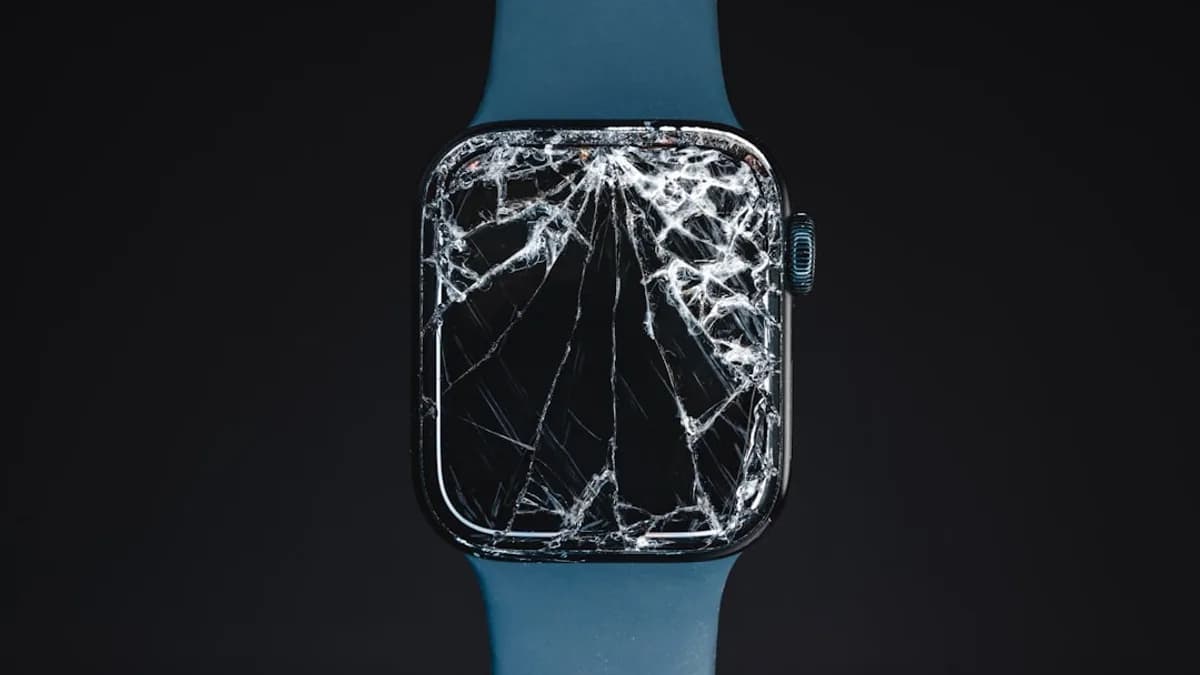
Core Devices has replaced 330 Pebble Time 2 units out of more than 19,000 shipped — a disclosed defect rate of 1.7 percent — but the scarier number for the Pebble comeback may be 51 cracked displays. That is the figure the manufacturer gave after users began reporting broken screens and faulty buttons, according to Notebookcheck.
The issue is not just whether Pebble Time 2 has a manageable early failure rate. It is whether a revived smartwatch brand built around simplicity, buttons, long battery life and enthusiast trust can absorb a hardware-quality scare while preparing to push Pebble Round 2 into production at the end of July.
Pebble Time 2 cracks hit the exact promise the revived brand is selling
Pebble’s revived pitch is unusually direct. On its site, the company says it came back because no one had built the smartwatch it wanted: an always-on e-paper screen, long battery life, a simple experience, physical buttons and easy customization.
“Our goal is simple : build awesome smartwatches and other gadgets, for ourselves and like-minded folks. Things are different this time round. There are no investors. The majority of our work is open source. We're not trying to take over the world.”
That framing matters because the Pebble Time 2 problems are not obscure software bugs buried in a settings menu. They involve the parts users touch and see every day: the display glass, the touchscreen, battery life and buttons.
Core Devices says the most common defect behind replacements has been very short battery life. Touchscreen issues came next, though those could be resolved with a software update — the kind of narrow wearable fix also seen in a Garmin Instinct 3 update. The company also said 51 customers contacted it about cracked display glass, while 32 users reported defective buttons.
MLXIO analysis: for a nostalgia-driven hardware revival, visible breakage carries more reputational weight than its raw count suggests. A cracked screen is easy to photograph, easy to share, and hard to explain away as normal early-production noise.
The defect numbers look contained — but the replacement obligation is real
The cleanest figure Core Devices disclosed is 330 replaced units, equal to 1.7 percent of more than 19,000 Pebble Time 2 devices shipped so far. On the available data, that does not prove a systemic failure across the entire production run.
But it also does not settle the question. The company’s own breakdown shows multiple categories of failure:
| Pebble Time 2 issue | Disclosed detail |
|---|---|
| Total shipped | More than 19,000 |
| Units replaced | 330, or 1.7 percent |
| Cracked display glass reports | 51 customers |
| Defective button reports | 32 users |
| Touchscreen issues | Resolved with a software update |
| Very short battery life | Most common defect behind replacements |
The important distinction is between defect count and defect type. A short battery-life problem may be frustrating, but display cracks and buttons falling out point directly at physical design, materials, assembly or quality-control questions. The source material does not establish the root cause.
Core Devices is now offering support even after the 30-day warranty has expired for affected users. Customers currently receive a free replacement for a broken display, though the company says that offer is only available for a limited time. Later, customers will be able to order a replacement smartwatch at a significant discount.
MLXIO analysis: the replacement policy buys time and goodwill, but it also creates pressure on inventory and support capacity just as the company is preparing another product run. The exact financial cost is unknown because Core Devices has not disclosed replacement costs, shipping costs or how many future claims it expects.
Free replacements help only if the process feels predictable
The company made the right first move by saying affected users will receive support beyond the original warranty window. That matters because Notebookcheck’s earlier report flagged the short 30-day warranty as a major frustration for owners dealing with cracked screens.
Execution now becomes the story.
The customer experience will depend on details Core Devices has not fully spelled out in the supplied material:
- Eligibility: Which cracks qualify for free replacement?
- Proof: What photos, order details or diagnostics are required?
- Fees: Are shipping costs covered in all cases?
- Timing: How long will replacement units take to arrive?
- Quality: Are replacement watches from the same production batch?
- Communication: Will users get regular status updates?
Button failures complicate the optics. Notebookcheck’s earlier coverage cited an iFixit teardown suggesting one Pebble Time 2 had a missing clip that holds a button in place inside the case. That is different from a software problem. It raises assembly-control questions.
Core Devices is also evaluating whether selling replacement parts is an option so customers can repair their own devices. That fits Pebble’s open-source-heavy identity, but it is not a substitute for dependable factory output.
For readers tracking how small tech products live or die by execution details, MLXIO has also covered other timing-sensitive consumer-tech stories such as Under $100, TrimUI Brick Pro Packs More Screen Time and macOS 28 Locks Out Encrypted HFS+ Drives: Act Soon.
Loyal Pebble users may forgive flaws; new buyers need proof
Pebble’s most loyal users are likely to judge Core Devices less by the existence of defects than by how the company handles them. The brand’s relaunch is explicitly aimed at “like-minded folks,” not mass-market domination.
That gives Core Devices some room to be candid. It does not give it room to be vague.
Prospective buyers face a different calculation. The Pebble Round 2 is scheduled to begin production in the last week of July, after a delay caused by a case-manufacturing problem. It is expected to take about two months to produce all 14,000 pre-ordered Pebble Round 2 units, with shipping scheduled to begin in August.
That creates a narrow credibility window. If Round 2 units arrive cleanly, the Time 2 crack issue may look like a contained defect cluster with a serious support response. If Round 2 shows similar physical-quality problems, the story changes.
Notebookcheck’s related reporting also noted that Android Police framed Pebble as an alternative to mainstream wearables from Google, OnePlus, Garmin and Apple. That is useful context, but the competitive lesson is simple: niche does not excuse fragile hardware.
Round 2 production will test whether Pebble fixed more than messaging
The timing is awkward. Pebble Round 2 production was originally scheduled to start in May, then slipped because of a case-manufacturing problem. Now production is planned for the final week of July.
That puts manufacturing quality at the center of the next phase. Buyers and reviewers should watch for concrete signals, not vibes:
- Display durability: Do Round 2 units show similar glass damage reports?
- Button feel: Are buttons secure and consistent across units?
- Case tolerances: Does the casing protect vulnerable edges?
- Return patterns: Does Core Devices disclose early defect rates again?
- Software fixes: Do step and sleep tracking updates arrive, and do they work?
Core Devices says a solution is in the works for software issues such as sometimes inaccurate step and sleep tracking, but it has not announced a timeline for those updates. That leaves hardware as the more urgent credibility test because cracked glass cannot be patched over the air.
MLXIO analysis: the best-case scenario is not complicated. Replacements ship quickly, the 1.7 percent replacement figure does not climb sharply, Round 2 production starts in late July, and August shipments avoid the same display and button complaints. That would support the view that Core Devices found and contained the problem.
The weaker scenario is also clear. Slow replacements, unclear rules, more cracked screens, or Round 2 defects would turn a manageable early hardware issue into a broader warning about manufacturing discipline.
Pebble’s differentiation is not just retro charm, buttons or battery life. Over the next several months, the test is whether a small smartwatch maker can make dependable hardware at the same time it asks early adopters to believe again.
The Bottom Line
- Pebble’s revival depends heavily on enthusiast trust, making visible hardware defects especially damaging.
- A 1.7 percent replacement rate may be manageable, but cracked displays create a bigger perception problem.
- The timing matters because Pebble Round 2 production is about to ramp up.