Anker is turning a 70W three-port wall charger into Pokémon 30th-anniversary merchandise, not merely repainting a USB-C brick. The Anker x Pokémon Nano Charger (70W, 3 Ports) has been detailed as part of a themed accessory push, according to Notebookcheck.
That framing matters. A charger is usually judged by wattage, port count, size, and price. This one adds a second buying logic: Pikachu, anniversary branding, possible themed accessories, and the possibility that buyers treat the product as a collectible rather than a purely functional adapter.
Anker’s Pikachu Nano Charger turns USB-C power into a collector product
The USB Fast Charger 70W Pikachu Model uses the same core proposition as Anker’s standard compact charger: one plug, three ports, and enough headline output for a main device plus smaller accessories. The difference is the emotional layer.
The supplied source material supports the broad idea of a Pokémon-themed Nano charger, but it does not validate every visual detail or bundle component. That means the safest reading is that Anker is leaning on Pikachu and anniversary branding, while final retail listings should be checked for exact design, accessories, and packaging.
That is still not incidental decoration. MLXIO analysis: Anker is packaging the charger less like a commodity accessory and more like a fandom object. The hardware still has to justify itself, but the theme gives buyers another reason to choose it over a plain adapter with similar specs.
For readers comparing Anker’s Pokémon-themed accessory strategy across products, MLXIO has also covered Pikachu Turns Anker's Travel Adapter Into $38 Fan Bait and Pokémon Soundcore C50i earphones. And for Anker’s broader hardware calendar, see Anker Power Conference 2026 Teases Mystery Gear in Japan.
The 70W spec gives the Pikachu model practical weight
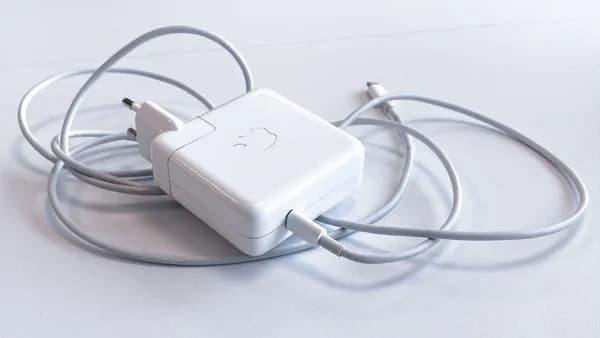
The announced charger is based on the Anker Nano Charger (70W, 3 Ports). The key validated idea is straightforward: this is a compact three-port charger with a 70W headline rating.
The top-line number is the useful anchor. A three-port charger sounds like a one-brick replacement for multiple adapters, but buyers should still check official listings for how power is shared when more than one device is connected.
| Known point | Practical takeaway |
|---|---|
| Product family | Anker Nano Charger |
| Headline rating | 70W |
| Port count | 3 Ports |
| Multi-device use | Check final listing for output sharing |
That power-sharing detail matters. A single charger can be convenient for a phone, earbuds, tablet, handheld, or laptop-adjacent setup, but the experience depends on how much power each port receives in real use.
The travel pitch also depends on final retail details. The supplied source material confirms the compact Nano positioning, but it does not validate exact dimensions, weight, port layout, or per-port wattage figures.
One caveat: the supplied source material confirms the compact Nano design, but does not specify the internal charging technology. Buyers should stick to the published 70W and three-port positioning rather than assuming more.
The buyer math is no longer just watts per dollar
Pricing for the Pokémon edition has not been confirmed in the supplied material. The same is true for validated US retail pricing or store availability for the standard model in the context provided here.
That creates the central tension. If the special edition costs more than the standard model, buyers will be deciding how much Pikachu branding and any confirmed themed extras are worth. The core hardware may do the same job, but the product experience is different.
MLXIO analysis: the most rational comparison is not simply “70W versus 70W.” It is:
- Utility: Does the three-port setup replace the adapters a buyer already carries?
- Design: Does the Pikachu finish make the charger more appealing or too conspicuous?
- Bundle value: Do any confirmed included accessories matter?
- Availability: Which markets receive the themed model?
- Price gap: How far above a comparable standard charger can the themed version go before it becomes mainly a collectible purchase?
That last question cannot be answered yet. The source material does not give pricing for the Pikachu model.
Pokémon’s anniversary gives Anker a cleaner story than charger specs alone
The charger is tied to Pokémon’s 30th anniversary, and that gives Anker a cleaner marketing hook than wattage alone. A Pikachu-branded charger needs less explanation than a generic 70W adapter with three ports.
Pikachu is also the obvious model for this category. The character is instantly recognizable and associated with electricity. For a charging product, that match is unusually direct.
The anniversary timing also matters because the charger is not arriving alone. Notebookcheck says it will be released alongside other themed products. That makes the Nano Charger part of a collection rather than a standalone novelty.
MLXIO analysis: collections change buyer behavior. A single themed charger competes with every other charger. A coordinated anniversary line competes for shelf space, gift attention, and completionist interest.
Collectors and everyday users will grade the same charger differently
Collectors will focus on the parts Anker has not fully detailed in the supplied material: packaging, regional availability, and whether the charger sits inside a broader Anker x Pokémon set. The themed positioning already pushes it in that direction.
Everyday tech users will care more about the basics. The known strengths are compact Nano positioning, three ports, and a 70W headline rating. The open question is how the charger behaves across different multi-device setups.
Gamers and commuters may find the form factor useful if they want one plug for a main device and smaller accessories. Parents buying for younger Pokémon fans may see the appeal too, though price sensitivity could rise if the themed edition lands above comparable standard hardware.
None of those groups has the full answer yet. The biggest gap is distribution. Notebookcheck leaves broader market availability unclear.
The real test is whether Anker keeps the specs as visible as the branding
The risk with themed hardware is simple: the character can overpower the spec sheet. Anker has avoided some of that by attaching the Pikachu design to a known 70W three-port model, but buyers still need final listings that spell out port behavior, bundle contents, size, and weight.
The next signals to watch are concrete:
- Launch details: final price, launch date, and whether the retail package includes any themed extras.
- Regional expansion: any confirmation for the US or other markets.
- Collection depth: how many Pokémon-themed charging accessories Anker releases alongside this model.
- Spec transparency: whether all listings clearly show the 70W rating and multi-port output behavior.
If the Pikachu Nano Charger sells through quickly after launch, it would strengthen the case that small consumer tech accessories can carry collector logic without abandoning practical specs. If buyers hesitate because pricing or availability is unclear, the lesson will be narrower: fandom can make a charger more desirable, but it cannot replace a clean buying decision.
Key Takeaways
- Anker is turning a functional charger into a fandom-driven product tied to Pokémon’s 30th anniversary.
- The 70W three-port design keeps the charger useful beyond its collectible appeal.
- Buyers should verify final retail listings for exact design, accessories, and packaging before purchasing.