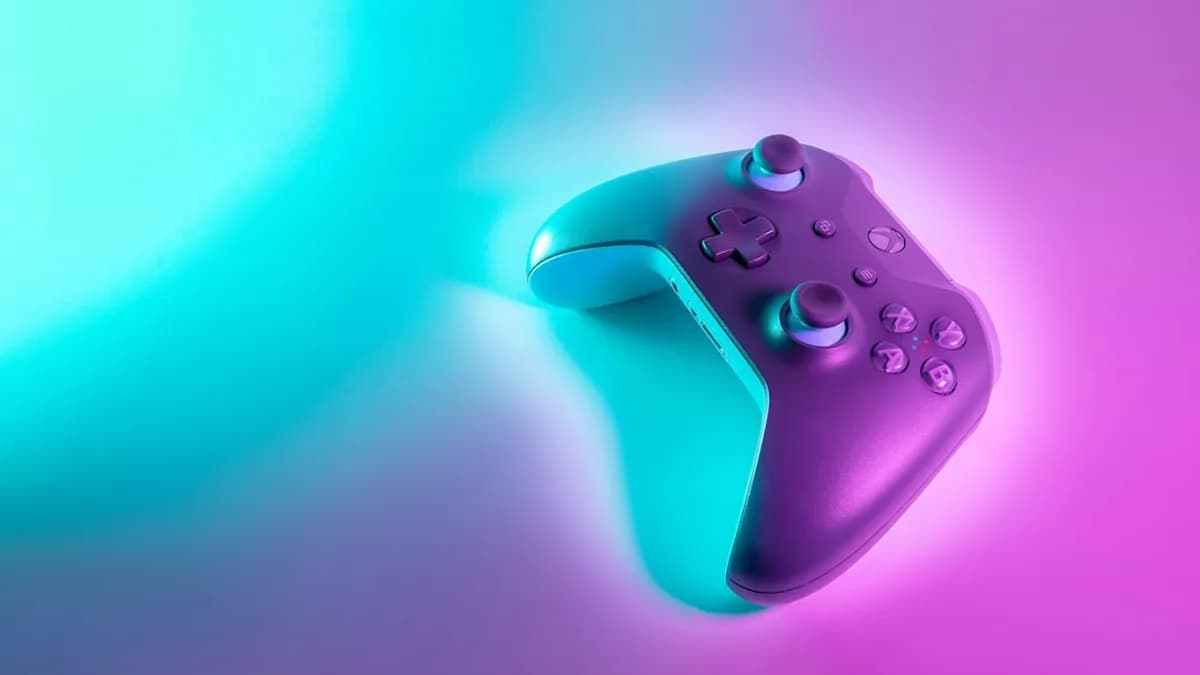
Shuhei Yoshida’s warning lands because Microsoft is already acting less like a console maker and more like a Windows gaming platform holder. The former PlayStation Studios President wrote on X that “Xbox will dissolve into Windows,” a line that captures the tension around Microsoft’s next hardware move, according to Notebookcheck.
“Xbox will dissolve into Windows, and it’s MS’s strength…”
That does not prove Xbox consoles are dead. Yoshida is a rival veteran, not a Microsoft executive. But his comment matters because it points to a visible pattern: Microsoft is putting more energy into Windows gaming, handheld PC-style hardware, and hybrid device concepts than into defending the old idea that Xbox must mean a Microsoft-made box under the TV.
Xbox May Be Becoming a Windows Gaming Brand Before Microsoft Admits It
The symptom is simple: Xbox’s identity is stretching beyond a dedicated console. Notebookcheck points to Microsoft’s promotion in 2025 of the ROG Xbox Ally, an Asus-manufactured Windows handheld, as one sign of that shift. It also cites Project Helix, described in reports as an AMD Magnus-based hybrid machine that could boot both Xbox games and PC titles.
The underlying condition is more important. Microsoft’s strength is not only hardware. It owns Windows, the operating system that already sits at the center of PC gaming. If Xbox becomes a gaming layer across Windows devices, Microsoft can keep the account, software, store, and services relationship even when another company builds the machine.
That changes the question. The issue is not whether Microsoft will stop using the Xbox name. It is whether the next “Xbox” needs to look like a traditional console at all.
For related context on how Xbox’s software strategy is already being watched closely, see MLXIO’s coverage of 17 day-one games turning Xbox Game Pass into a $70 threat and the platform questions raised by Gears of War: E-Day PS5 build chatter.
Microsoft’s Windows-First Gaming Push Makes the Xbox Console Less Essential
Microsoft has already made Windows 11 more console-like in narrow but meaningful ways. Notebookcheck notes that the Xbox PC app can now run in full-screen mode with Xbox controller support. That matters because couch gaming is not only about frame rates. It is about booting into a clean interface, navigating with a controller, and avoiding the friction that makes a PC feel like a desk machine.
Critics cited by Notebookcheck still argue that Windows does not fully replicate the living-room experience. That is the core weakness in a Windows-first Xbox strategy. A console is constrained, but that constraint is part of its appeal. It hides drivers, launchers, desktop prompts, and hardware variance.
MLXIO analysis: Microsoft’s incentive is still clear. If Windows can get close enough to the console experience, partners can carry more hardware risk while Microsoft keeps control over the software layer. The ROG Xbox Ally is an early expression of that model: Xbox branding and Windows gaming in a device Microsoft did not manufacture itself.
| Strategic path | What it preserves | What it risks |
|---|---|---|
| Traditional Xbox console | Simplicity, fixed specs, living-room identity | Hardware cost, smaller strategic flexibility |
| Windows handhelds and hybrids | PC library access, partner hardware, Windows control | Interface friction, device fragmentation |
| Project Helix-style hybrid | Xbox continuity plus PC flexibility | Component pressure and unclear positioning |
That table shows why Yoshida’s line stings. Microsoft may not need to “kill” Xbox hardware for the center of gravity to move away from it.
The Console Math Now Includes Memory Shortages, Not Just Market Position
Notebookcheck says PlayStation has a “massive advantage with its user base.” It does not provide unit sales or a market-share table, so the hard math remains outside the supplied record. The supported point is narrower: Xbox is trying to close a gap from a weaker console position, and the hardware environment may be turning against it.
The report flags the memory shortage as a direct complication for Microsoft’s next device plans. It says there are “rumblings” that Microsoft was ill-prepared for the crisis and that the shortage threatens Project Helix.
MLXIO analysis: that is where the hybrid strategy becomes harder. A device that promises both Xbox compatibility and PC-game flexibility cannot be priced or specced casually. If memory costs or supply constraints make the machine too expensive, Microsoft risks building a product that is neither a mass-market console nor a convincing PC alternative.
The strategic danger is not one bad bill of materials. It is a muddled value proposition. A hybrid Xbox has to explain why it exists beside gaming PCs, Windows handhelds, and any remaining console line. If it cannot, Windows becomes the safer bet.
Project Helix Is the Bridge, but Also the Stress Test
Asha Sharma’s recommitment to hardware, cited by Notebookcheck, shows Microsoft has not publicly walked away from devices. Project Helix appears to be the strongest counterargument to “Xbox consoles are doomed.” If it boots Xbox games and PC titles, it suggests Microsoft still wants branded hardware — just not necessarily a conventional console.
That distinction matters. A conventional console asks developers and players to accept a fixed hardware target for a cycle. A hybrid asks them to accept a more fluid identity: part Xbox, part PC, part Windows showcase.
MLXIO analysis: Project Helix could work as a transitional product. It would let Microsoft keep faith with console buyers while testing whether Windows can move closer to the TV. But if the memory shortage bites hard, the bridge could become too expensive before it reaches mainstream users.
Players May Gain Choice and Lose Clarity
For players, a Windows-based Xbox future cuts both ways.
- More device choice: Xbox could live on handhelds, compact PCs, and hybrid machines rather than one Microsoft-built console.
- Broader PC access: A Windows foundation could make PC titles easier to position beside Xbox-native games.
- More friction: Windows still carries interface baggage that dedicated consoles avoid.
- More confusion: If many devices claim some version of Xbox support, buyers may struggle to know which one delivers the intended experience.
That last risk is not cosmetic. A console brand depends on confidence. If “Xbox” becomes a label across unlike devices, Microsoft must make compatibility, performance, and interface expectations painfully clear.
Sony would likely read a weaker Xbox console push as less direct pressure in the living room. Nintendo is a different case because Notebookcheck’s supplied material does not establish a comparison there, so the safer conclusion is limited: Microsoft’s strategic debate is mainly about whether Xbox remains hardware-led or becomes Windows-led.
The Next Xbox Decision Microsoft Cannot Delay
Microsoft is unlikely to announce that Xbox consoles are dead. The more plausible path, based on the supplied evidence, is softer language: more devices, more ways to play, and deeper Windows integration.
The evidence that would confirm Yoshida’s thesis is specific. Watch whether Project Helix ships as a true console successor or as a Windows-heavy hybrid. Watch whether Microsoft keeps improving controller-first Windows experiences. Watch whether partner devices like the ROG Xbox Ally become a side experiment or the template.
The evidence that would weaken the thesis is just as clear: a conventional Xbox console with clear positioning, mass-market hardware economics, and a living-room interface that does not feel like Windows wearing a console mask.
For now, Yoshida’s comment is best read as a diagnosis, not an obituary. Xbox may survive as a brand. The box is the part under pressure.
The Bottom Line
- Microsoft may be redefining Xbox from a console brand into a Windows-based gaming platform.
- Devices like the ROG Xbox Ally suggest Microsoft can grow Xbox without building every piece of hardware itself.
- The shift could change how players buy, access, and think about future Xbox games and devices.