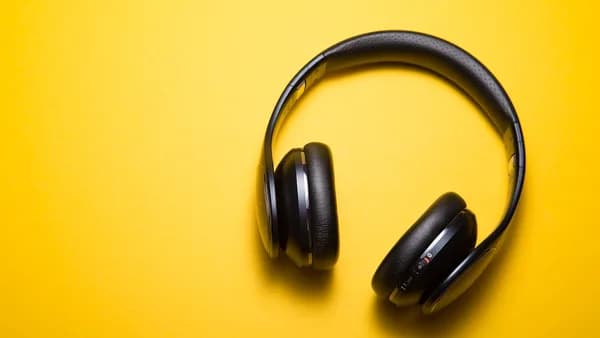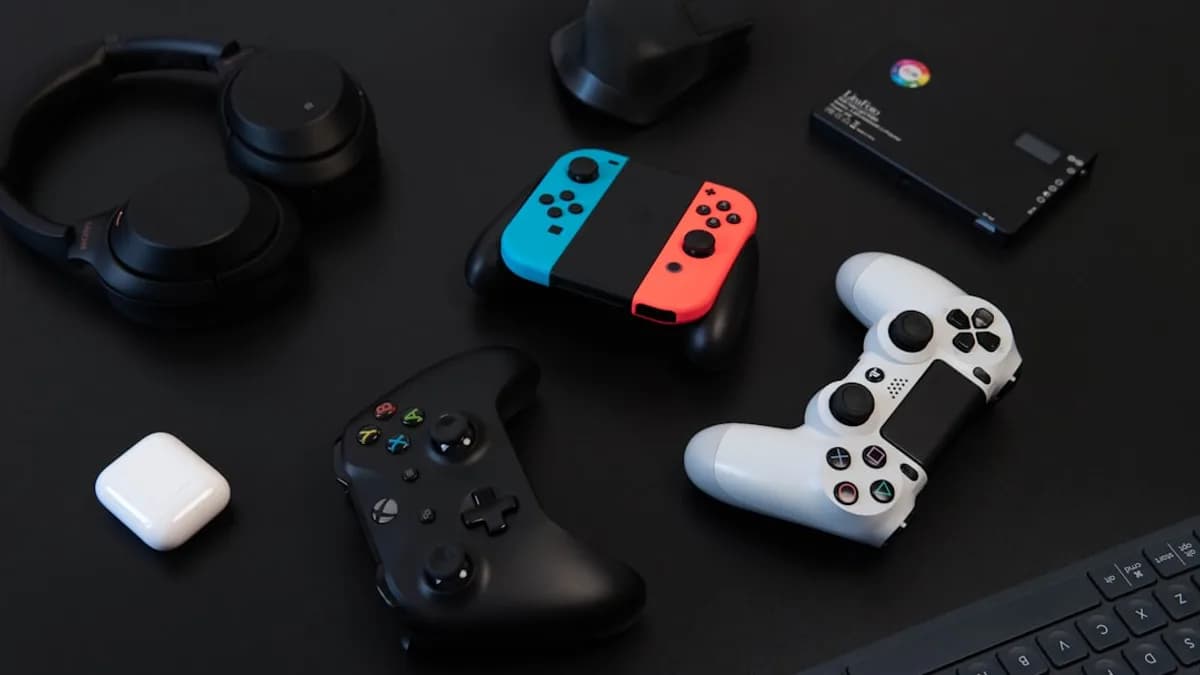
Can Sony turn premium noise-canceling headphones into credible gaming hardware with a firmware update, without asking buyers to buy a dedicated gaming headset?
That is the real question behind Sony’s latest firmware update. The company has brought a gaming mode to the Sony WH-1000XM6 and WH-1000X The ColleXion, according to Notebookcheck.
This is not just another sound preset. It is Sony trying to make its flagship ANC headphones behave more like low-latency play hardware while keeping their identity as travel, work, and music headphones.
Can Sony’s flagship ANC headphones now handle gaming without new hardware?
The update adds one main feature: gaming mode. Notebookcheck reports the feature for both Sony models, though the available source material does not spell out every implementation detail.
| Headphone | Newly reported gaming feature |
|---|---|
| Sony WH-1000XM6 | Gaming mode via firmware update |
| WH-1000X The ColleXion | Gaming mode via firmware update |
The appeal is obvious. The WH-1000XM6 and 1000X The ColleXion are expensive multipurpose headphones. Buyers use products like these for flights, work calls, music, movies, and mobile gaming. A lower-latency mode makes that “one headset for everything” pitch stronger.
But it also creates a sharper test. Gaming audio is less forgiving than music playback. If a bass note arrives late, most listeners will not care. If a footstep, shot, rhythm cue, or dialogue line trails the action on screen, players notice.
That is why this update matters. Sony is not changing the drivers or adding a dongle. It is betting that a software-delivered gaming mode can close enough of the latency gap for mainstream gaming use.
How does GMAP attack Bluetooth delay without becoming a proprietary gaming mode?
The available reporting does not provide enough confirmed detail to treat this as a fully documented, user-facing GMAP implementation with specific latency figures attached. That distinction matters, because gaming audio claims can sound simple while depending heavily on the source device, Bluetooth stack, codec behavior, and how the headphones handle processing.
Many gaming headsets rely on proprietary low-latency modes, USB transmitters, or platform-specific wireless systems. A more open Bluetooth-based approach would have a different promise: if both ends support the right pieces, headphones and source devices from different manufacturers could, in theory, deliver a more consistent gaming-focused audio path.
For now, the safer reading is narrower. Sony has added a gaming mode to two premium ANC models, and the practical value will depend on how that mode behaves with real devices. The available report does not establish exact latency targets, channel-sync figures, selectable signal profiles, or whether users can adjust the mode beyond turning the feature on through normal headphone controls.
That is the trade-off in one sentence: faster audio is useful only if it remains stable, compatible, and easy to use.
Notebookcheck’s report also does not detail whether gaming mode changes battery life, processing, ANC behavior, EQ, or microphone routing. Those are the practical questions that will decide whether this is a real gaming upgrade or a spec-sheet win.
Which latency numbers actually matter for players?
The useful number here is not “Bluetooth is faster now.” It is measured end-to-end delay between what happens on screen and what reaches the player’s ears.
That condition is crucial. Sony can update the headphones, but users only benefit if the audio source also supports a compatible low-latency path. A phone, tablet, PC, handheld, or console that does not play well with the mode may not deliver the improvement buyers expect just because the headphones received new software.
This is where the update becomes less simple than the headline. A gamer may own the newly updated WH-1000XM6, but still see little benefit if their source device falls back to another Bluetooth mode. A laptop’s Bluetooth stack, a dongle, a game client, or OS-level audio handling can all affect the end result.
Video streaming can often hide latency with compensation. Real-time gaming cannot rely on that in the same way, because the audio is tied to player input. The sound of a shot, collision, spell cast, reload, or enemy movement has to feel locked to the action.
MLXIO analysis: Sony’s strongest case is casual and hybrid gaming, not a sudden replacement for dedicated competitive headsets. If the gaming mode performs well in real use, it could make the WH-1000XM6 more convincing for mobile games, cloud gaming, handheld play, and general PC gaming. But serious players will still ask about wired options, mic quality, platform reliability, and measured latency.
Where could the compromise show up first?
The first pressure point is compatibility. Gaming mode only matters when the source and headphones work together in the right audio path. That is not a minor footnote. It is the difference between a feature buyers can use and a feature they only technically own.
The second pressure point is the microphone.
A Reddit user in r/SonyHeadphones tested the WH-1000XM6 over LC3 with a FlooGoo FMA120 dongle and reported that, when not using the mic, audio ran at 48 kHz. With the mic active, the user reported 32 kHz audio with 32 kHz mic in high-quality mode and 32 kHz audio with 16 kHz mic in gaming mode. The same post said the lower audio mode sounded processed for voice and was “definitely not usable for gaming.”
That is not a Sony specification, and it should be treated as user testing rather than official confirmation. But it points to the exact issue Sony needs to avoid: a gaming mode that fixes delay while weakening the rest of the gaming experience.
A lower-latency headphone mode is only half the job if players also need voice chat. Gaming headsets are not judged only by playback delay. They are judged by mic behavior, stability, switching friction, and whether the whole setup works without fiddling.
For readers tracking firmware-driven headphone changes more broadly, this follows the same post-launch support logic we covered in iOS 27 Apps Grab Spotlight as Beats Firmware Fix Lands. Software updates increasingly shape the product after purchase, not just on launch day.
Does this make the WH-1000XM6 a better buy than dedicated gaming gear?
For the everyday buyer, yes — but with limits.
The update adds value to hardware people may already own. It makes the WH-1000XM6 and 1000X The ColleXion more flexible without a new purchase. That matters when the supplied review context puts the WH-1000XM6 around $449.99 MSRP and the 1000X The ColleXion around $649.99 MSRP. At those prices, buyers expect more than great ANC.
The WH-1000XM6 also has practical advantages in the supplied review material: 254g weight and long battery life in testing from SoundGuys, while The ColleXion leans into premium materials and a heavier design. A firmware feature that reaches both models gives Sony a way to keep the software experience closer even when the hardware positioning differs.
Still, a gaming label should not be mistaken for a full gaming headset replacement. Dedicated gaming gear often wins on wired fallback, USB audio, boom microphones, and platform-specific consistency. Sony’s update narrows one gap: Bluetooth responsiveness.
If price is the bigger question than latency, our coverage of Sub-$200 OneOdio Headphones Squeeze Premium Rivals sits on the other side of the buying decision: how much premium headphone buyers should pay for features they may or may not use.
Which tests will decide whether Sony’s gaming mode is more than a spec upgrade?
The next evidence will come from measurement, not marketing language.
The claims to verify are straightforward:
- Latency: Does gaming mode deliver a clear reduction in delay across real phones, PCs, tablets, and handhelds?
- Compatibility: Which source devices actually support the right audio path well enough to matter?
- Microphone behavior: Does voice chat preserve usable game audio, or does quality drop when the mic is active?
- Stability: How often does the lowest-delay experience struggle with interference or device switching?
- Battery and processing: Does gaming mode change endurance, ANC, EQ, or sound character?
MLXIO analysis: this firmware release signals where premium headphones are heading. Static sound profiles are becoming less important than software modes that reshape the same hardware for calls, cinema, spatial audio, travel, and now gaming.
Sony’s update will look more meaningful if independent testing shows repeatable low latency without ugly compromises. It will look thinner if the mode remains dependent on narrow device compatibility or if mic use undercuts the gaming experience. The watch item is simple: measured latency with voice chat enabled. That is where the feature either becomes useful or stays a checkbox.
Key Takeaways
- Sony is expanding the role of premium ANC headphones into gaming without requiring new hardware.
- The update strengthens the appeal of using one headset for travel, work, music, movies, and mobile gaming.
- Gaming mode will be judged by whether it can reduce perceived Bluetooth latency enough for mainstream players.