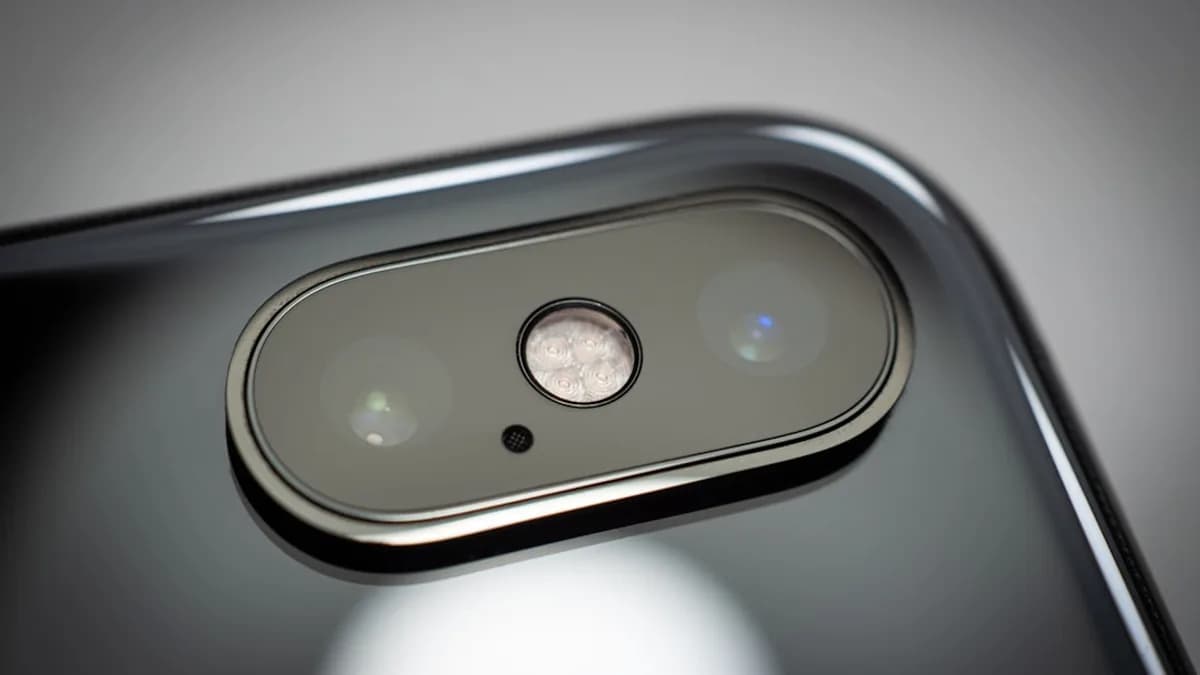
Nine days before Google’s August 12, 2026 Made by Google event, the Pixel 11 Pro leak shifted from design gossip to a measurable camera claim: 120x zoom on Google’s next flagship.
Leaker Evan Blass published official-looking Pixel 11 Pro marketing renders that show the device in a coral finish with a gold camera bar and matching “G” logo, plus an all-black colorway, according to Notebookcheck. The sharper signal is not the color. It is the way the leaked slides put telephoto reach, G6 silicon branding, and Gemini Intelligence features into the same pre-launch frame.
That does not prove Gemini powers the zoom system. The source does not say that. But it does suggest Google wants the Pixel 11 Pro story to land as more than a routine annual camera bump.
August 3 leak moves Pixel 11 Pro from colors to a 120x camera claim
The leaked batch reportedly gives the clearest look yet at Google’s next flagship before the August 12 event. One render shows the coral-and-gold version. Another shows an all-black model. That matters because these images appear designed for consumer marketing, not component-level speculation.
The standout slide, though, is the 120x zoom claim. Notebookcheck says the render illustrates the feature with a telephoto shot of an orange moon rising over the treetops. The prior generation is cited at 100x zoom, so the leak points to a higher maximum zoom ceiling.
| Pixel camera claim | Source-supported detail |
|---|---|
| Previous generation zoom | 100x zoom |
| Leaked Pixel 11 Pro zoom | 120x zoom |
| Marketing image example | Orange moon rising over treetops |
| Status | Leaked marketing render, not confirmed by Google |
MLXIO analysis: the number itself is only part of the story. Extreme zoom figures are easy to market because they are simple. They fit on a slide. They also create a visible upgrade path for buyers who may not care about small processor gains or subtle industrial design changes.
But 120x will only matter if the phone produces usable images below the headline limit. Long-range shots are where stabilization, lens quality, sensor crop, and processing choices collide. The leak confirms the claim. It does not confirm the underlying optical setup.
The immediate signal: Google is making telephoto visible
The Pixel line has often been discussed through software and AI features, but this leak puts a hardware-adjacent camera number front and center. That is a different kind of sell.
A 120x zoom slide tells buyers something they can imagine using: the moon, a skyline, a stage, a sign across a street. Whether those shots look natural is another question. The leaked material does not disclose optical zoom range, sensor size, aperture, stabilization hardware, or how much of the 120x result comes from crop and processing.
That is the central tension. Google appears to be advertising reach, but the real product test will be quality at the ranges people actually use. A flagship can claim an extreme ceiling and still disappoint if images fall apart at mid-to-long zoom distances.
For readers tracking the wider pre-launch rumor cycle, this follows other Pixel 11 material we have covered, including Google Pixel 11 Leak Spills Every Color Before Launch and Pixel 11 Pro Fold Leak Reveals Google’s Glow Gamble. Taken together, the leak stream suggests Google’s launch is already being shaped before the company takes the stage.
G6 and Gemini appear beside the camera story, but the link is not proven
One leaked image reportedly confirms the chip branding as “G6,” corresponding to the rumored Tensor G6 processor. Another set of renders highlights Gemini Intelligence software features.
The Gemini example is specific: an agentic messaging demo in which Gemini drafts a reply to a chat with a rescue shelter on the user’s behalf. That is a productivity and context feature, not a camera feature in the source material.
That distinction matters.
MLXIO analysis: Google may use the Pixel 11 Pro launch to present a broader AI-first phone narrative, with Tensor G6, Gemini features, and camera upgrades all sharing the same keynote arc. But the leak does not establish that Gemini controls zoom, reconstructs telephoto images, or changes the camera pipeline. Any claim that the 120x zoom is “Gemini-powered” would go beyond the verified material.
The safer read is narrower: the leaked marketing package shows Google preparing to promote three pillars at once.
- Camera reach: A claimed move from 100x to 120x zoom.
- Silicon branding: A chip labeled G6.
- AI software: Gemini Intelligence handling a messaging task.
That combination is still meaningful. It tells us what Google likely wants buyers to associate with the Pixel 11 Pro: zoom, AI, and custom silicon.
The spec sheet Google still has to fill on August 12
The August 12 event now carries a clearer burden. Google has to explain what 120x zoom actually means.
The launch should answer the questions the leak cannot:
- Optics: What is the native telephoto range?
- Sensor: What resolution and sensor size sit behind the telephoto system?
- Stabilization: How does the phone handle hand shake at high zoom?
- Processing: How much enhancement happens after capture?
- Performance: Does image quality hold up before the extreme 120x limit?
- Availability: When can buyers actually get the device?
- Pricing: What does the Pro-tier camera package cost?
Notebookcheck says pricing and availability have not been disclosed in this batch. That leaves a major commercial gap. A camera upgrade can strengthen the case for a premium phone, but without pricing, the value argument is incomplete.
The unknowns are especially important because a marketing render is not a review unit. It can show the shot Google wants to show. It cannot show missed focus, moving subjects, low light, heat, processing delay, or whether long-range images look convincing outside ideal conditions.
Buyers should separate the useful leak from the launch-day theater
The useful part of this leak is clear: Pixel 11 Pro marketing material appears to point to a more aggressive telephoto pitch than the previous generation.
The theatrical part is also clear: an orange moon over treetops is a perfect zoom demo. It is visually dramatic, easy to understand, and hard to judge without the original file, lighting conditions, and comparison shots.
For potential buyers, the practical takeaway is simple. If zoom photography is a priority, the Pixel 11 Pro is now worth waiting to evaluate after August 12. Not because the leak proves Google has solved long-range phone photography, but because the company appears ready to make zoom a headline feature.
For photographers, the key issue will be authenticity. Does the image preserve real detail, or does processing create a pleasing but synthetic result? The source does not answer that. Reviewers will have to.
For privacy-focused users, the Gemini demo raises a separate question: how much of the new AI behavior happens on-device versus elsewhere? The leak only shows Gemini drafting a rescue-shelter chat reply. It does not disclose processing location or data handling.
August 12 becomes the proof point for Pixel 11 Pro’s camera pitch
The next decision moment is August 12, 2026. That is when Google can either turn the leak into a coherent flagship story or leave buyers with a big zoom number and too many blanks.
Evidence that would strengthen the thesis: Google confirms 120x zoom, explains the telephoto hardware behind it, shows credible real-world samples, and connects G6 performance to camera or AI features without vague claims.
Evidence that would weaken it: the 120x figure proves mostly promotional, Google avoids detailed camera specs, or pricing and availability make the upgrade harder to justify.
For now, the leak suggests Google wants the Pixel 11 Pro to be read as an AI-era camera phone. The launch will determine whether that is a serious product shift or just a sharper marketing slide.
The Bottom Line
- The leak points to a measurable telephoto upgrade ahead of Google’s August 12 event.
- Google appears to be framing the Pixel 11 Pro around camera reach, G6 silicon, and Gemini Intelligence.
- The 120x claim is still unconfirmed, so buyers should wait for official details before judging real-world camera performance.