Why Samsung’s Foldable Strategy Faces a Crucial Test with Galaxy Z Fold8
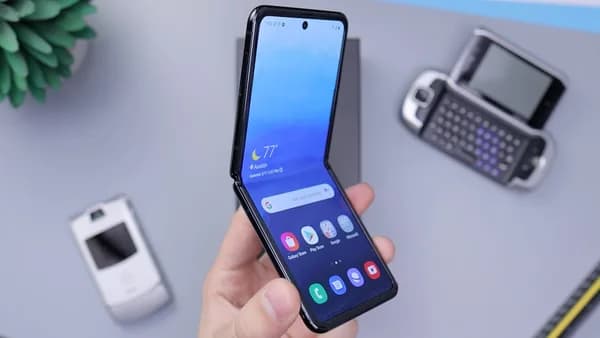
Samsung is betting on thinness and raw power to keep its foldables in front of a market that’s losing patience with half-steps. The leaked specs for the Galaxy Z Fold8 and the new Galaxy Z Fold Wide point to a hardware leap—on July 22, Samsung is expected to show off a foldable just 4.1mm thick when open and running Qualcomm’s Snapdragon 8 Elite Gen 5, according to Gsmarena. That’s thinner than most tablets and lighter than many rival flagships at 210g.
This is more than a spec bump: it signals Samsung’s attempt to silence critics who see foldables as fragile, heavy, or awkward. With competition circling and doubts about foldable adoption still lingering, Samsung can’t afford a misfire. If the Z Fold8 delivers on these leaks, it could redraw the line between premium “phone” and hybrid productivity device. But Samsung is also taking a risk—if these refinements don’t address real user pain points, the Fold8 could become another expensive curiosity.
Decoding the Galaxy Z Fold8 and Fold Wide Leaks: What the Specs Reveal About Samsung’s Priorities
The Snapdragon 8 Elite Gen 5 powering the Z Fold8 isn’t just a chip refresh. This SoC is expected to anchor Samsung’s push for better multitasking, AI performance, and battery management. While the leak doesn’t detail clock speeds or benchmarks, “Elite” branding from Qualcomm typically means top-tier cores and improved neural processing—essentials for a device that’s pitching itself as both a phone and a tablet. The new chip also marks a milestone similar to the RedMagic 11S Pro series arrive with overclocked SD 8 Elite G, showcasing how flagship processors are evolving for performance.
Weight and thickness make headlines for a reason. At 210g and just 4.1mm when unfolded, the Z Fold8 would undercut most other foldables in bulk. This is a direct response to complaints about foldables being too heavy and unwieldy for daily use. Samsung is telegraphing a strategy: make the form factor less intrusive, and maybe skeptics will actually live with it.
On the camera front, the Fold8 is rumored to keep the 200MP primary sensor from its predecessor, but the ultrawide sensor gets an upgrade. That’s a subtle but telling choice. Instead of chasing megapixel counts across the board, Samsung is signaling that it sees the main camera as already mature, and is now shoring up secondary sensors to close the gap with slab flagships. The company seems content to iterate where it matters, rather than overhaul for its own sake, much like the approach seen in the Samsung Galaxy Z Fold 8 Cuts Weight, Packs 200MP Camera report.
Samsung Foldables in Numbers: Benchmarking the Z Fold8 Against Its Predecessors and Rivals
The leaked numbers matter because they set the Fold8 apart. At 4.1mm thickness when open, this device is thinner than last year’s Fold7, which was itself a step down in size. The weight, 210g, keeps it well within the range of “carryable” for most users, even as the device doubles as a tablet. These are not minor changes—every gram and millimeter counts at this price tier and in this form factor.
On the silicon side, the Snapdragon 8 Elite Gen 5 will outpace last year’s Snapdragon 8 Gen 3 in both raw speed and AI capabilities—if the leaks hold true. The 200MP main camera is unchanged, but the improved ultrawide lens hints at better low-light and landscape shots.
What’s missing from the leaks are details about battery capacity, display specs, and price—key figures that will determine how the Z Fold8 stacks up not just against its predecessor, but the small field of premium foldables. Without that data, the Fold8’s place in the pecking order remains up for debate.
Diverse Stakeholder Reactions to Samsung’s Foldable Innovations: Consumers, Analysts, and Competitors Weigh In
The Fold8 leaks will stoke anticipation among brand loyalists and early adopters, but the underlying skepticism remains: are these changes enough to justify the upgrade, or is Samsung just shaving off millimeters to buy time? Consumers who have lived with earlier Folds know the pain points—weight, hinge durability, and camera compromises.
Analysts tracking Samsung’s foldable roadmap will see the Z Fold8 as a doubling down on engineering polish rather than radical new features. The lack of a camera overhaul or a new form factor (beyond the Wide variant) will invite questions about whether Samsung is running out of ideas or simply waiting for flexible display tech to mature.
Competitors, for now, have little to respond to until the devices are official. But Samsung’s push for thinness and performance sets a new bar that rivals will have to match, especially if the Fold8 wins over skeptics who’ve held back from foldables so far.
Tracing the Evolution of Samsung’s Foldable Lineup: From Galaxy Z Fold1 to Fold8 and Beyond
Samsung’s foldable journey began with fragile, thick prototypes that barely survived a year of real use. The Fold8’s rumored dimensions and weight are a culmination of years of incremental improvements—a steady march toward making foldables as pocketable and reliable as slab phones.
Each generation, Samsung has addressed pain points: hinge quality, screen durability, battery life, and camera parity. The Fold8’s focus on thinness and sensor upgrades fits this pattern. The addition of the Wide variant, with a different aspect ratio and potentially fewer cameras, suggests Samsung is finally willing to experiment with form factor, not just internals.
But the big question remains: are these refinements enough to spark mainstream adoption, or is Samsung still stuck selling to tech enthusiasts? The recent Samsung Dumps Galaxy Z Flip Foldable Phone After Cost Surge news highlights the challenges Samsung faces with foldable form factors and cost management.
What the Galaxy Z Fold8 Launch Means for Smartphone Users and the Foldable Industry
If the leaks hold, the Z Fold8 could finally make foldables less of a compromise. Thinner, lighter hardware means fewer tradeoffs for users who want both a big screen and a pocketable device. The upgraded ultrawide lens nudges the Fold8 closer to single-device status—no more carrying a slab phone for photos and a foldable for productivity.
For the industry, the Fold8’s launch is a test case. If Samsung can sell a thinner, lighter, high-performance foldable at scale, it will raise expectations for what premium foldables should deliver. Developers and accessory makers will have to adapt, especially if the Wide variant carves out a niche with its unique dimensions.
But all of this hinges on execution. If the Fold8 stumbles on battery life, durability, or price, the form factor’s mainstream moment could slip further away.
Predicting the Future of Foldables: How Samsung’s Next Moves Could Shape the Smartphone Landscape
The Fold8 and Fold Wide leaks suggest Samsung is not done refining the foldable concept—it’s just getting started. The next frontier may be even thinner devices, more radical aspect ratios, or new hinge technologies. If the Wide variant succeeds, expect rivals to follow with their own width-first designs.
The main risk: user fatigue. If each new Fold only brings marginal improvements, Samsung could lose the narrative to upstarts willing to gamble on more dramatic ideas—like tri-folds or rollables. But if the Z Fold8 delivers a genuinely better experience, it could finally tip the balance from niche to mainstream.
What to watch: Will battery life and durability keep pace with thinness? Will Samsung push the Wide model globally, or keep it niche? The answer will shape not just its own future, but the trajectory of the entire foldable market.
Why It Matters
- Samsung is pushing hardware boundaries to address major criticisms of foldable phones—bulk and fragility.
- The Z Fold8’s thinness and new processor could set a new standard for foldable devices and influence industry direction.
- If the improvements fall short of user needs, Samsung risks losing ground in a competitive and skeptical market.