Galaxy Z Fold 8 Wide’s Lighter Build Signals a Shift in Foldable Design
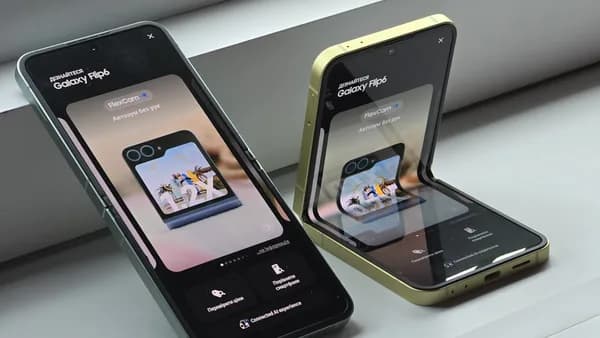
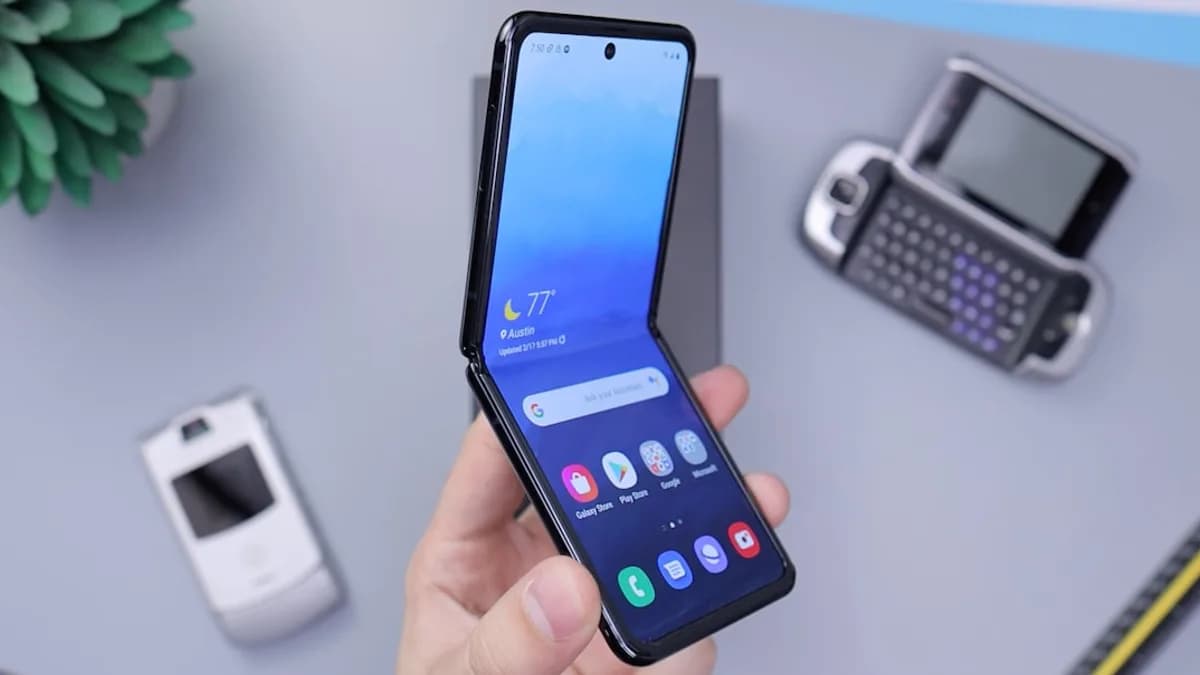
Samsung’s next foldable flagship, the Galaxy Z Fold 8 Wide, is set to drop weight—a move that could finally make foldables feel as portable as their slab-phone rivals. That’s the most concrete takeaway from the recent spec leak, which suggests a sharp pivot in Samsung’s foldable design philosophy. Shedding grams isn’t just an aesthetic choice; it tackles the main complaint users level at large foldables: pocket fatigue. For years, Samsung’s Fold series has asked buyers to trade portability for screen real estate. This time, the company seems to be narrowing that gap, according to Notebookcheck.
The leak doesn’t spell out what materials or engineering choices enable this cut. Still, a lighter Fold 8 Wide could lower the barrier for users still wary of foldables’ bulk. If Samsung pulls this off without sacrificing durability or battery performance, it could tip the scales for mainstream adoption.
200 MP Camera: The Fold’s Sharpest Lens Yet
The Galaxy Z Fold 8 will reportedly pack a 200 MP main camera—the highest-resolution sensor yet on Samsung’s foldables. This leap puts the Fold 8 in direct conversation with Samsung’s top-tier camera phones, at least on paper. For context, earlier Fold models lagged their S-series siblings on pure camera hardware, making them a tough sell for photography obsessives. A 200 MP sensor signals Samsung’s intent to close that gap.
For content creators and mobile photographers, this could be the first Fold that doesn’t ask for a tradeoff in image quality. If Samsung pairs this hardware with robust image processing, expect sharper detail, better cropping flexibility, and improved low-light performance—provided the rest of the camera stack keeps up.
Key Specs: What’s Actually Confirmed
The leak is thin on numbers beyond the 200 MP camera and lighter Fold 8 Wide. There’s no mention of processor, display specs, battery size, or other hardware. The main takeaways: the Fold 8 gets a massive camera upgrade, and the Fold 8 Wide gets lighter. Any broader claims about performance, battery life, or display breakthroughs remain unverified by this source.
This means most of the usual upgrade wishlist—faster chipsets, brighter or less-creased displays, all-day batteries—is still in the realm of speculation. The only confirmed innovation is in imaging and weight reduction. For now, Samsung appears to be pushing on two fronts: camera hardware at the high end and usability (via weight) for the new Wide variant.
Stakeholder Implications: What’s Clear, What’s Hazy
Consumers finally get a Fold that addresses two persistent pain points: camera quality and heft. If the Fold 8 Wide delivers a noticeably lighter build without new compromises, it could become the go-to for buyers who found earlier Folds unwieldy. The 200 MP camera, if executed well, could also position the Fold 8 as a true flagship for creators.
Industry analysts will see these specs as a sign that Samsung isn’t just iterating—it’s targeting the two features holding back mass adoption. But there’s no word from the source on how this affects developers or accessory makers. Without details on aspect ratio changes, hinge redesigns, or new software features, it’s too early to gauge ripple effects beyond hardware headlines.
Looking Back: Samsung’s Foldable Evolution
Samsung’s Fold series has evolved from proof-of-concept to premium flagship, but each generation has wrestled with weight, thickness, and camera parity. The original Fold felt like a prototype. Every year since, Samsung has chipped away at those rough edges. The jump to a 200 MP camera and a lighter Fold 8 Wide marks the first time Samsung’s foldable could plausibly challenge the S-series on both portability and photography. This isn’t a revolution, but it’s a sign of maturity.
What This Means for Foldables—and What’s Still Unknown
A lighter Wide model and a 200 MP sensor suggest Samsung is listening to critics and closing the gap between foldables and traditional flagships. If these are the headline features, the Fold 8 series could reset expectations for what a foldable can do—especially if Samsung keeps durability and battery life intact. But the leak leaves nearly every other question unanswered: what’s the processor? How big are the batteries? Will the display crease finally fade away?
For now, the Fold 8 story is one of targeted improvement, not wholesale reinvention.
What to Watch: Evidence That Will Matter
Watch for official confirmation—likely in two months—on whether the Fold 8 Wide’s lighter build comes with trade-offs in battery or robustness. Pay close attention to early camera samples: does the 200 MP sensor translate to real photographic gains, or is it just a marketing number? If Samsung can deliver on these two fronts, the Fold 8 series could mark the point where foldables stop being “futuristic” and start being practical for more users. If not, the wait for a true mainstream foldable continues.
Key Takeaways
- A lighter Galaxy Z Fold 8 Wide could address portability concerns and attract more mainstream users.
- The 200 MP camera marks a significant upgrade, aiming to compete with Samsung's best camera phones.
- Design and camera improvements signal Samsung's commitment to making foldables more appealing and competitive.