Why Samsung Might Be Abandoning the Galaxy Z Flip Line Amid Foldable Market Shifts
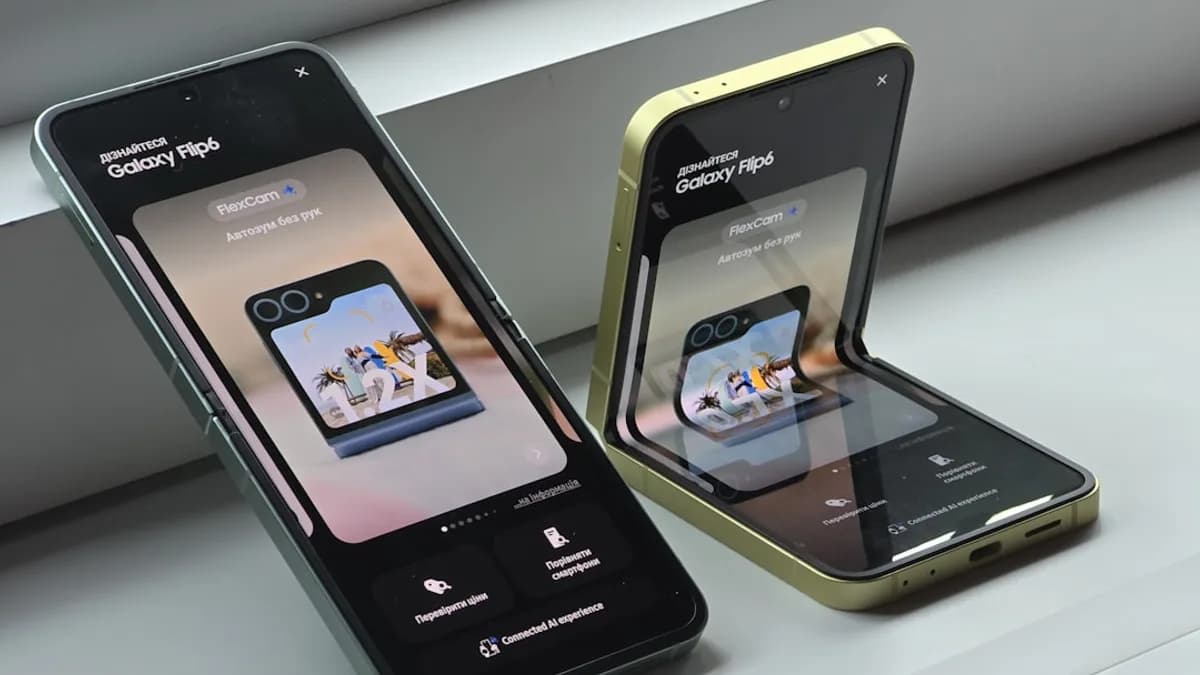
Samsung may be ready to kill its most popular foldable—the Galaxy Z Flip—after the upcoming Z Flip 8, if a new Weibo supply chain leak proves accurate. The claim: Samsung’s clamshell series is reaching the end of its road, with no sign of a Z Flip 9 in internal component discussions. If true, this signals a strategic retreat from the format that put foldables in pockets, not just bags. The rationale, according to Notebookcheck: design stagnation, ballooning component costs, and waning interest as book-style foldables steal the spotlight.
Design is a sticking point. The Z Flip’s compact charm relies on a small outer screen and tight hinge engineering. Both are approaching their physical limits without making the device bulkier or less practical. Add in the rising cost of flexible OLED panels and complex hinges—already a pain point for foldable makers—and it’s clear why Samsung might rethink its lineup. But the real motivator? The market’s apparent appetite for larger, productivity-driven foldables, where the Z Fold series offers a more premium, tablet-like experience.
Crunching the Numbers: Cost Pressures and Sales Trends Behind Samsung’s Foldable Strategy
Component costs aren’t static, and for foldables, they’re moving in the wrong direction. While the source doesn’t supply exact figures, it singles out flexible displays and compact hinge systems as key cost drivers. These parts are pricier than those in standard smartphones, and as inflation and supply chain turbulence continue, Samsung’s margins on the Z Flip—its “affordable” foldable—get squeezed.
The Z Flip line has seen steady sales, but it’s also been positioned as the more accessible entry to Samsung’s foldable portfolio. That means less room to absorb cost increases without eroding profitability. The Z Fold, in contrast, can command a higher price and margin, especially as consumers equate book-style foldables with flagship status.
Supply chain rumors matter. The Weibo leak points to a lack of activity around the Z Flip 9—no early component orders, no planning chatter. For a company that typically works more than a year ahead on major hardware, that silence is loud. If true, it hints at either a pause for a major redesign—which seems unlikely given the “design stagnation” narrative—or an outright cancellation.
Diverse Stakeholder Views: What Samsung, Consumers, and Competitors Think About Foldable Phone Evolution
Samsung hasn’t commented on the Z Flip’s fate. Publicly, the company continues to tout its foldable leadership and hint at a broader portfolio, including possible new Z Fold variants. But the strategic silence around the Flip line leaves room for speculation. Consumers who embraced the clamshell for its style and portability may feel left behind, especially if Samsung shifts focus to the larger, productivity-heavy Fold series.
Industry chatter, as reflected by leaks and analyst commentary, frames this as a fork in the road. Clamshells brought mainstream attention to foldables, but have plateaued in both form and function. Book-style devices are now pulling ahead, promising more screen real estate and “power user” features. Competitor reactions remain outside the scope of the leak, but it’s reasonable to infer that rivals are watching Samsung’s next move closely.
Tracing the Rise and Plateau of Clamshell Foldables: Lessons from Samsung’s Galaxy Z Flip Journey
The Z Flip launched as a statement: foldable phones could be fashionable, pocketable, and not just niche gadgets for early adopters. Samsung iterated quickly—bigger cover screens, stronger glass, thinner bodies. But after several generations, the pace of meaningful upgrades slowed. Consumers saw incremental changes, not breakthroughs.
The problem: there’s only so much you can do with a vertical fold. Make the outer screen too large, and you lose the pocketable appeal. Push for thinner builds, and durability risks increase. Meanwhile, the Z Fold series kept evolving, offering a clear upgrade path for those wanting more than nostalgia and compactness.
What Samsung’s Potential Exit from Flip Phones Means for Consumers and the Foldable Industry
If Samsung cuts the Z Flip, it narrows consumer choice and signals a shift toward function over form in the foldable space. Fans of the compact clamshell may find themselves with few options, unless competitors step in. Innovation could stall: without a flagship clamshell, accessory makers and app developers may deprioritize support for the format.
For the industry, Samsung’s move would validate what the supply chain is already whispering—foldables are maturing, and the future looks more like a mini-tablet than a retro flip phone. This could prompt rivals to double down on book-style designs, or gamble on new form factors entirely.
Predicting the Future: How Samsung’s Foldable Strategy Could Shape Smartphone Design in the Next Five Years
If the Z Flip line ends, expect Samsung to channel its resources into larger, more versatile foldables. Future breakthroughs may focus on reducing thickness, improving hinge durability, and lowering production costs—making book-style devices more mainstream and less fragile.
New form factors are possible, but unless they deliver both utility and mass-market appeal, Samsung is unlikely to chase nostalgia for its own sake. The next five years could see foldables blur the line between phone and tablet, with Samsung pushing the envelope on multitasking, stylus support, and even laptop replacement features.
What would confirm this shift? Evidence of canceled or delayed Z Flip component orders, an expanded Z Fold lineup, and a public pivot in Samsung’s messaging. If the rumors are wrong and a Z Flip 9 surfaces, the clamshell still has life—but for now, the supply chain static suggests a major transition is already underway.
Impact Analysis
- Samsung's potential cancellation of the Z Flip signals a shift in foldable phone strategy and market priorities.
- Rising component costs and design limitations are challenging the viability of compact foldables.
- The move could push innovation and consumer interest toward larger, productivity-focused foldables like the Z Fold.