Samsung’s 990 Pro Price Drop: Signal or One-Off?
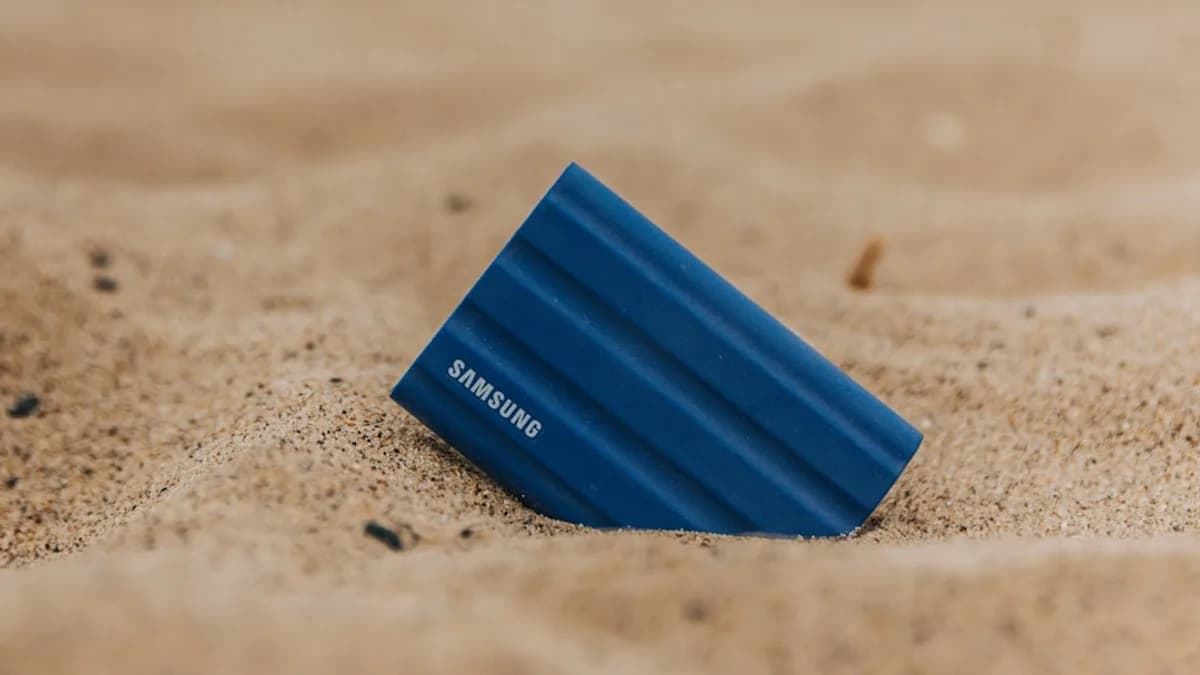
Samsung has slashed the 1TB 990 Pro NVMe SSD to $249.99 at major US outlets—a rare move for a flagship drive that has typically held its price position. Across Amazon and Best Buy, the discount stands out in a segment where premium PCIe 4.0 SSDs often resist steep cuts. While the Notebookcheck report frames this as a notable deal, the deeper question is whether it signals more aggressive pricing on high-end solid-state drives, or just a tactical adjustment to clear inventory.
The price drop lands at a time when speed, endurance, and efficiency still define the top of the SSD market. For PC builders and tech enthusiasts, the move resets the value equation on what it means to buy “best-in-class” storage—at least for this model, for now.
What We Know: Performance and Value at $249.99
The 990 Pro is Samsung’s PCIe 4.0 flagship, known for its strong sequential read/write speeds, durability, and energy efficiency. While the Notebookcheck source doesn’t offer specific performance figures, the 990 Pro’s reputation is built on topping the charts in its generation. Its controller and NAND combination have made it a staple in high-performance desktops and laptops.
At $249.99, the 990 Pro sits in a price tier that often reserved for “prosumer” drives, not absolute flagships. For buyers who need reliable, fast storage—gamers, content creators, engineers—this cut brings high-spec SSDs within easier reach. MLXIO analysis: The price-to-performance ratio widens the appeal of the 990 Pro, especially for those who previously saw it as out of budget. For professionals, this means less compromise between cost and top-tier specs.
Why It Matters: Shifting Value Propositions in SSDs
A sharp discount on a leading NVMe drive disrupts the typical SSD value ladder. Samsung’s move could spark a shift in how consumers and even competitors view pricing thresholds for high-performance storage. The Notebookcheck report highlights that this is not just a coupon or a bundle deal—it’s a direct cut at the register, visible to any buyer shopping major US retailers.
MLXIO inference: If this price holds, it could set new expectations for what “premium” SSD hardware should cost. This forces buyers to rethink whether the incremental speed or endurance of pricier models is still worth the gap.
What Is Still Unclear: Motives and Market Dynamics
The source does not specify whether this price drop is a time-limited promotion, an overstock move, or part of a larger strategic shift by Samsung. There’s no data on prior pricing, competitor reactions, or underlying supply chain factors. The lack of commentary from Samsung or its US retail partners leaves open whether this is a preview of broader SSD deflation—or simply a blip.
Another unknown: Will this push other high-end SSD makers to react, or is Samsung acting alone? Without more context from the retailers or Samsung itself, the long-term implications remain murky.
What To Watch: Implications for Buyers and the Industry
If the $249.99 price sticks, it could anchor expectations for high-performance SSDs in 2024 and beyond. Watch for:
- Whether competing PCIe 4.0 and upcoming PCIe 5.0 drives adjust their pricing in response.
- How long the discount remains in place—temporary flash sales versus a new permanent MSRP signal very different things.
- Announcements from Samsung or other manufacturers about inventory, new product launches, or further cuts.
For now, the 990 Pro’s discount is a clear win for anyone building or upgrading a performance PC. But the lack of detail on duration and motives means buyers should move quickly if they want to lock in the deal. MLXIO’s take: If this is a sign of wider SSD price compression, it will likely ripple through both consumer and enthusiast segments. If not, it may be a brief window that closes as quietly as it opened.
The Bottom Line
- A major price cut on Samsung’s top-tier SSD signals possible changes in high-end storage pricing.
- The $249.99 price point puts flagship performance within reach for more consumers and professionals.
- This move could pressure competitors and shift value expectations across the SSD market.