Why a Reverse-Engineered PlayStation 2 Handheld Challenges Portable Gaming Norms
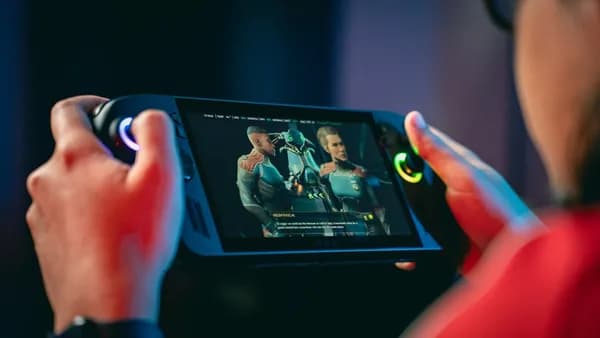
A solo hardware modder has pulled off a technical feat few would dare attempt: building a portable PlayStation 2 handheld not by gutting Sony hardware, but by reverse-engineering the console’s core functions onto a custom motherboard. Unlike the usual mod scene approach—trimming down original PS2 boards to fit new shells—this project recreates the heart of Sony’s early-2000s icon from scratch. It’s an audacious move that signals a shift in what’s possible for hobbyist console engineering, and raises the bar for DIY retro gaming hardware. The design borrows heavily from the Asus ROG Xbox Ally’s sleek, modern aesthetic, showing that even retro hardware can adopt the ergonomics and polish of top-tier contemporary handhelds according to Notebookcheck.
Why does this matter? Reverse-engineering a PS2 isn’t just about style points—it’s about autonomy. Modders have long been at the mercy of aging, often scarce Sony motherboards. By rebuilding the PS2’s guts, this project sidesteps supply constraints and breathes new life into legacy gaming. It’s a direct challenge to the notion that true hardware innovation is the exclusive domain of major manufacturers.
Technical Mastery Behind the Custom PS2 Handheld’s Motherboard and Video Processing
The defining achievement here is the creation of a custom, reverse-engineered PS2 mainboard. Unlike typical handheld mods that rely on cannibalizing official Sony boards, this device uses new circuitry designed from the ground up. Only a handful of integrated circuits are reused from original PS2 hardware, making this one of the most faithful and technically ambitious PS2 recreations to date.
Video output is handled by an FPGA—a programmable chip that processes and cleans up the PS2’s native signal for a sharper, handheld-friendly display. This isn’t a simple pass-through: the FPGA enables video enhancements that would be impossible on unmodified hardware, addressing one of the PS2’s biggest shortcomings when scaled down to portable form factors.
The modder also integrated USB-C charging, a nod to modern expectations for portable devices. This feature isn’t just about convenience; it demonstrates that legacy gaming can coexist with current tech standards, potentially making vintage hardware more viable for daily use.
Quantifying Innovation: Battery Life, Performance, and Build Complexity of the PS2 Handheld
On a technical level, the handheld achieves around 4.5 hours of battery life—impressive for a device running actual PS2 hardware rather than emulation. Most portable retro devices struggle to break the three-hour mark, especially when using power-hungry original components and high-quality displays.
Performance specifics are limited by the available source, but the device is described as delivering a “real PlayStation 2 experience.” That suggests compatibility and responsiveness in line with the original console, rather than the compromises often seen in emulation-based portables.
What’s the catch? This is not a weekend project. The build requires advanced soldering, diagnostic skills, and custom troubleshooting. The modder has released open-source files, but warns that the complexity puts it out of reach for most hobbyists. In other words: this is a showcase of what’s possible, not a blueprint for the average tinkerer.
Diverse Stakeholder Perspectives on the Reverse-Engineered PS2 Portable Project
For solo modders and retro hardware enthusiasts, this project is a holy grail—a proof that it’s possible to resurrect a classic console with modern amenities and open-source transparency. The release of design files is a gift to the modding community, but it’s also a gauntlet thrown down: who will take this approach further, or adapt it for other legacy systems?
Mainstream gamers, though, may see the project as an impressive but impractical curiosity. The skill barrier is high, and there’s no indication of plug-and-play kits or commercial availability in the source material.
As for Sony and hardware manufacturers, the project highlights the limits of copyright and hardware control in the age of open-source hardware. While there’s no sign of legal or industry pushback so far, the ability to recreate a console’s mainboard outside official channels is a development that could rattle traditional IP assumptions if the approach spreads.
How This Custom PS2 Handheld Fits into the Evolution of Portable Gaming Devices
Retro handhelds have long relied on emulation or scavenged parts. This project breaks that mold by fusing modern design (inspired by the ROG Ally) with a painstakingly reverse-engineered mainboard. It stands apart from prior portable PS2 builds, which typically involved trimming down and repackaging official hardware.
The availability of open-source files—PCB layouts, firmware, and hardware schematics—pushes the scene toward transparency and community-driven innovation. It’s an inflection point: proof that hobbyists can match, and even exceed, the technical ambition of small-scale commercial retro portables.
What the Reverse-Engineered PS2 Handheld Means for Retro Gamers and Hardware Modding Communities
For retro gamers, this device signals a future where beloved consoles needn’t be limited by supply of original parts or stuck in the past when it comes to ergonomics and usability. The project could inspire a new wave of hardware preservation efforts, where consoles are rebuilt, not just emulated.
On the other hand, the complexity of the build may deter all but the most technically skilled modders. The gap between what’s theoretically possible and what’s practically achievable remains wide. Still, the open-source release plants a seed: with enough collective effort, future iterations could become more accessible.
For the gaming industry, the project shows that hardware customization isn’t just a fringe pursuit—it’s a proving ground for ideas that could eventually shape mainstream devices.
What We Don’t Know and What to Watch Next
The source material doesn’t specify detailed performance metrics, such as frame rates, thermal benchmarks, or compatibility quirks. There’s also no data on user feedback from those who’ve attempted their own builds. The legal status of reverse-engineering console mainboards—especially with a handful of original chips reused—remains a gray area.
What’s next? Watch for signs of community uptake: forks of the open-source project, simplification of the build process, or alternative projects targeting other consoles. If commercial hardware makers take notice, either by collaborating with the modder or adopting similar approaches, the impact could be significant.
FPGA technology is advancing rapidly, and as it becomes cheaper and more capable, the line between DIY and commercial-grade retro portables could blur. If this project sparks new tools or kits that lower the skill barrier, the era of true open hardware for legacy systems might finally arrive.
Why It Matters
- Reverse-engineering the PS2 removes dependence on scarce, aging Sony motherboards for handheld mods.
- This project demonstrates that advanced console hardware innovation is possible outside major manufacturers.
- It sets a new standard for both technical ambition and design in the retro gaming and DIY modding community.