Why Nintendo’s Expansion of Virtual Boy Games Challenges Perceptions of the Console’s Legacy
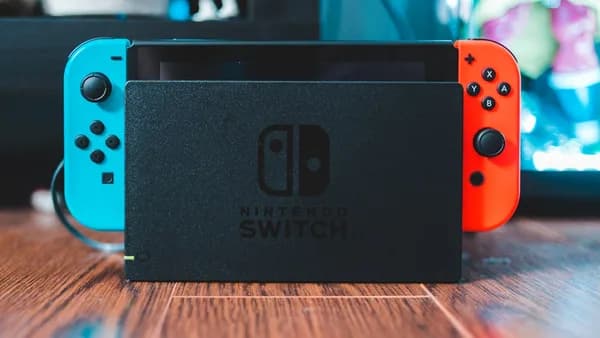
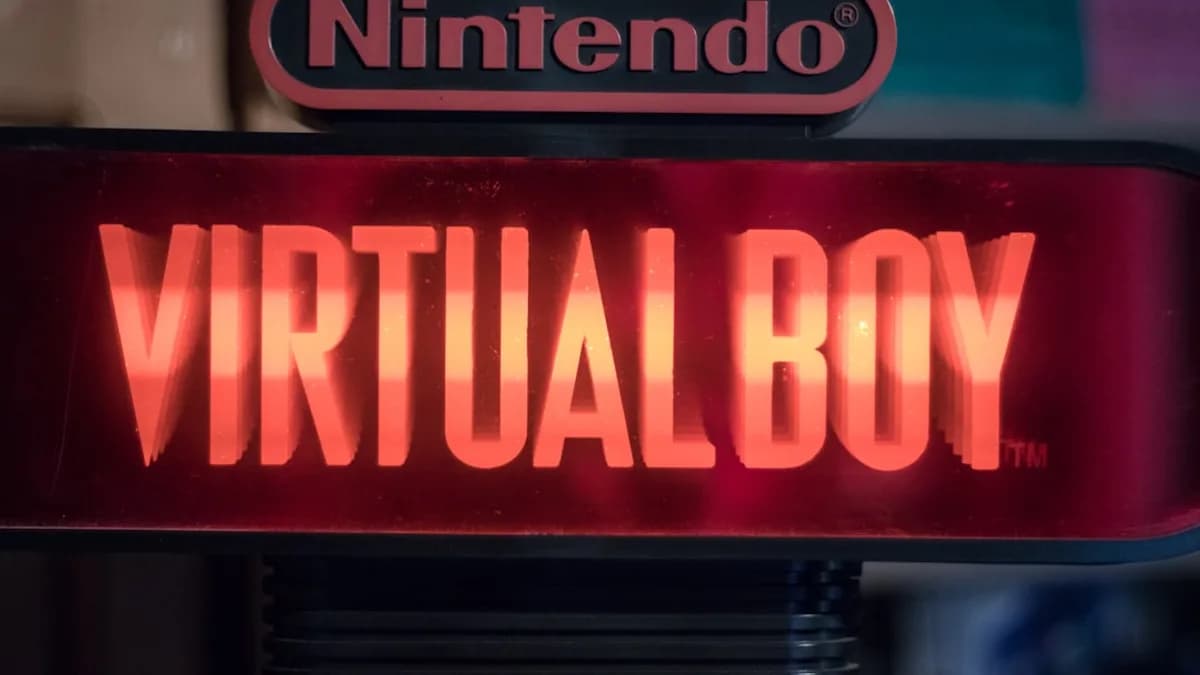
Nintendo just brought five more Virtual Boy games to its Switch Online + Expansion Pack, and suddenly, a console long dismissed as a punchline is getting a second look. The Virtual Boy’s reputation has always been radioactive: remembered for headaches, red-and-black graphics, and one of Nintendo’s worst commercial flops. But by adding titles like Space Invaders and V-Tetris to an accessible subscription service, Nintendo is quietly rewriting the system’s story—from failed experiment to cult curiosity.
This move signals a willingness to re-examine even the company’s least celebrated chapters, offering the Virtual Boy a rare shot at redemption. Instead of burying the hardware deeper, Nintendo is betting that nostalgia and novelty can spark new interest. The practical effect? A console once seen as a dead end now sits alongside other “classics,” reframed as part of the company’s broader creative legacy. There’s strategy here: Nintendo knows retro sells, but revisiting the Virtual Boy is more than just mining the past—it’s a test of whether even its outcasts can find an audience on modern hardware, according to Notebookcheck.
Breaking Down the New Virtual Boy Titles: What These Games Reveal About Retro Gaming Trends
Nintendo hasn’t just trickled out obscure titles—Space Invaders and V-Tetris headline the new batch, both heavyweights in their own right. Space Invaders is one of gaming’s primordial franchises, and V-Tetris taps legacy puzzle-game loyalty. Three other titles round out the update, but only these two are named in the primary source. That signals intent: Nintendo is leading with recognizable IP to entice both retro diehards and the curious Switch generation.
The selection process appears calculated. By surfacing familiar names first, Nintendo lowers the barrier for newcomers and collectors alike. The company also hints at two more Virtual Boy titles coming soon, but with no specifics. Their slow-drip release strategy mirrors the broader retro market—keep players coming back, preserve some mystery, and stretch the nostalgia cycle.
Analysis: Nintendo’s curation reflects a careful balance. While the Virtual Boy’s catalog is tiny, the titles they choose to revive could shape how future generations view the platform. Prioritizing well-known games over deep cuts suggests a focus on easy wins, but also a measured commitment to testing the waters before going further.
Virtual Boy’s Market Performance Data: Understanding the Impact of Nintendo Switch Online’s Expansion Pack
Here’s the catch: actual download numbers, engagement rates, or subscription bumps tied directly to these Virtual Boy games aren’t available in the provided sources. No data means no easy verdict on the content’s immediate impact.
What can be inferred is that Nintendo continues to build out its paid subscription offerings with retro content, making the Expansion Pack more attractive. The choice to add Virtual Boy games—despite their cult status—suggests enough engagement or curiosity to justify the effort. But the absence of hard metrics leaves the real market effect in the dark.
This is a test case. If player activity and buzz around Virtual Boy games surge, Nintendo’s experiment pays off. If not, the company can quietly sunset the initiative without much risk.
Diverse Stakeholder Perspectives on Reviving Virtual Boy Games on Modern Platforms
From the player’s perspective, these additions offer a rare chance to try games that were previously locked behind expensive hardware and limited releases. For collectors, the digital versions undercut the exclusivity of owning original cartridges but expand the audience that can appreciate these oddities.
Nintendo’s stance is clear: nostalgia is valuable, but only if deployed carefully. By reviving the Virtual Boy’s most recognizable titles, they’re not just cashing in—they’re exploring how much goodwill and curiosity still exist for their most maligned system. Game preservation advocates likely see this as a win; putting rare titles on accessible platforms keeps history alive, even if it’s filtered through Nintendo’s curated lens.
How Virtual Boy’s Revival Compares to Other Retro Console Comebacks in Gaming History
Most classic console revivals rely on nostalgia and a robust catalog—think NES and SNES Classics, or the steady drip of Game Boy titles onto Switch. The Virtual Boy’s library is minuscule by comparison, and its hardware was famously uncomfortable. That raises the stakes: success here isn’t about breadth, but about transforming a failure into a curiosity worth revisiting.
Nintendo’s method—selective releases, slow rollout, subscription-based access—mirrors its approach with other retro content, but the Virtual Boy is a tougher sell. The challenge is unique: few players have nostalgia for the system itself, so the pitch leans heavily on novelty and the cult status of certain games.
What Nintendo’s Virtual Boy Game Expansion Means for Retro Gaming Enthusiasts and the Industry
For collectors, this move could depress the value of the rarest Virtual Boy cartridges, but it also means the games themselves are less likely to disappear. For new gamers, it’s a chance to experience titles they’ve only seen in YouTube retrospectives or museum showcases. Nintendo’s brand benefits by looking both self-aware and willing to embrace its own history—warts and all.
Industry-wide, this experiment tests whether nostalgia’s power extends beyond beloved hits to outright oddities. If enough players engage with the Virtual Boy library, it could encourage riskier preservation efforts for other forgotten platforms.
Predicting the Future: The Long-Term Impact of Virtual Boy’s Digital Revival on Nintendo and Gaming Culture
The next steps are clear: watch what happens when Nintendo adds the two remaining promised games. If the company sees meaningful engagement, expect the Virtual Boy experiment to continue—possibly with more obscure titles or expanded features. If not, the project could stall, quietly setting boundaries on just how far retro curation can stretch.
The revival’s real legacy will depend on whether it sparks curiosity or fades into the background. For now, it’s a rare case of a company giving its most-maligned hardware a second chance. The evidence to confirm success? User engagement numbers and further expansions—if those materialize, the Virtual Boy’s story may finally shift from cautionary tale to comeback.
Why It Matters
- Nintendo is reviving interest in its least successful console by adding Virtual Boy games to the Switch Online library.
- This move reframes the Virtual Boy’s legacy, turning it from a commercial failure into a cult curiosity for new and nostalgic players.
- Highlighting recognizable titles like Space Invaders and V-Tetris shows Nintendo’s strategy to blend nostalgia with discovery, expanding their retro appeal.