Gen Z’s Vintage Obsession Is Rewriting Casio’s Playbook
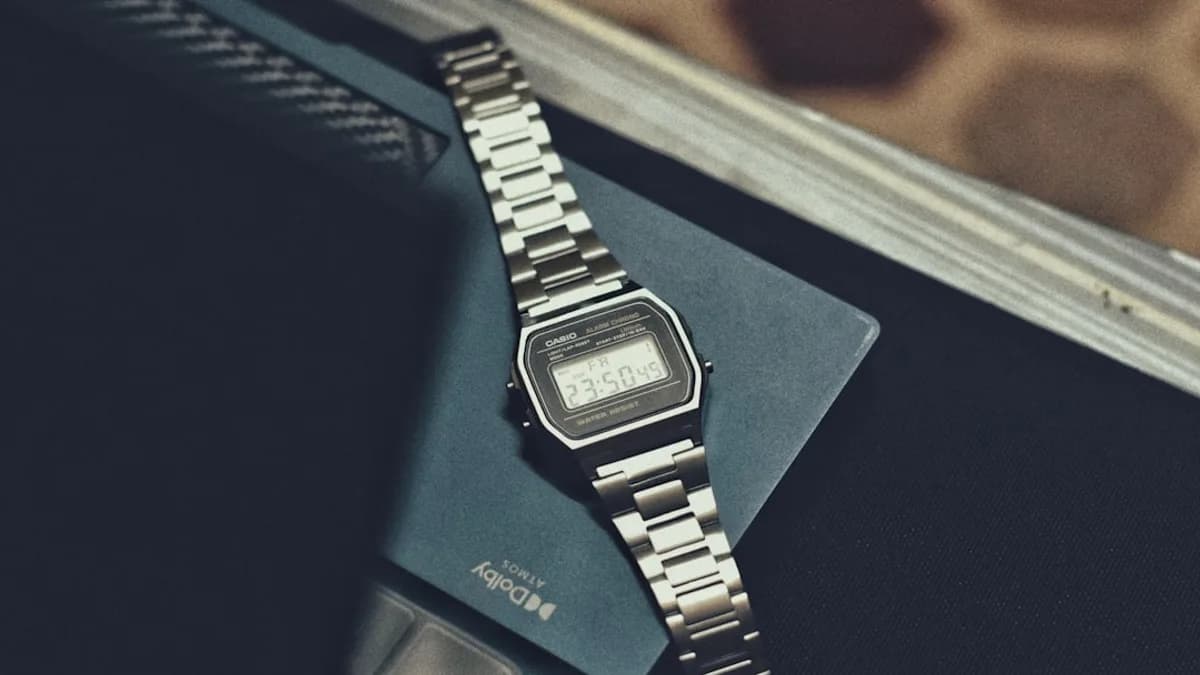
Casio’s cheapest retro watches, models that once faded into the background of the global watch market, just powered a profit surge that doubled the company’s net income last year. The unlikely engine? Gen Z’s appetite for ‘90s nostalgia and affordable, unfussy style. The A159 and MTP-1302—basic, decades-old designs—are leading the charge, according to Notebookcheck.
MLXIO analysis: This is more than a fashion blip. When a demographic that grew up on smartphones starts buying digital watches older than they are, it signals a cultural backlash against tech excess and a recalibration of what status means in consumer goods. Casio isn’t just surviving—it’s capitalizing on a generational vibe shift.
The Numbers: Casio’s Profits Double on Retro Demand
Casio’s net profit more than doubled in the last fiscal year, and the source explicitly credits its retro watch lineup—and Gen Z’s embrace of it—as the key driver. The A159 and MTP-1302, both simple, inexpensive watches with roots stretching back decades, are called out as the stars of this turnaround. That’s a rare case study: legacy products, not new tech or luxury lines, are carrying a global brand.
What’s missing is a breakdown of unit sales, regional splits, or margin details. The spike is clear, but the financials are topline only. Still, a profit doubling is a seismic event in a mature industry where incremental gains are more common. It suggests not just a trend but a wave big enough to reshape Casio’s bottom line.
Why Retro Casios Outperform Smartwatches and Status Brands
Gen Z’s embrace of Casio’s vintage digitals stands in stark contrast to the smartwatch arms race and the luxury watch world. Instead of chasing notifications or flexing status, buyers are opting for simplicity, durability, and a kind of anti-hype authenticity.
The A159 and MTP-1302 are not feature-rich—one is a basic digital with a steel bracelet, the other a no-nonsense analog—but their appeal is precisely in what they lack. For a generation saturated with tech and content, there’s value in objects that do one thing well and evoke an era before digital overload.
MLXIO analysis: This is closer to a normcore movement than a tech trend. Casio’s win is less about innovation and more about timing—offering a product that’s cheap, reliable, and loaded with retro cachet at the exact moment when those traits became aspirational.
Market Voices: Gen Z Drives the Hype, Retailers Ride the Wave
While direct quotes from consumers or retailers aren’t included in the source, it’s clear from the market response that Gen Z is driving this revival. The profit spike is attributed to young buyers rediscovering old models, not to any massive marketing blitz or celebrity endorsement.
Retailers are reaping the benefits as retro Casios move from niche accessories to must-have basics. The trend appears organic—fed by social media nostalgia and a collective yearning for objects that feel “real” in a digital world—rather than manufactured demand.
Industry experts, according to MLXIO inference, will likely be watching this case as a rare instance where the lowest-priced SKUs become the brand’s breadwinner. The sustainability of that dynamic remains a key question.
Casio’s Survival Blueprint: Adaptation Through Simplicity
Casio has a history of weathering industry storms by zigging where others zag. The brand survived the quartz crisis, thrived in the calculator watch era, and found new life with G-Shock. The current retro surge is different: it’s not about technological innovation, but about staying relevant by staying simple.
MLXIO analysis: Casio’s willingness to keep legacy products in circulation, rather than chasing every hardware fad, has positioned it perfectly for today’s nostalgia-fueled market. It’s a textbook case of optionality—sometimes, the best innovation is not killing your classics.
Implications for the Watch Industry and Gen Z’s Consumer Habits
For the watch industry, Casio’s profit boom is a warning shot. The low end is anything but dead, and there’s real money in catering to buyers who want authenticity over features or prestige. For Gen Z, this is a signal that consumption patterns are diverging: status is now about curation and self-expression, not price tags.
MLXIO analysis: If Casio can build on this momentum, the playbook may shift for competitors and upstarts. Expect more brands to dust off old designs, pitch nostalgia, or emphasize simplicity as a virtue.
What’s Still Unclear
Key gaps remain. The source doesn’t reveal how sustainable this demand is, whether it’s concentrated in specific markets, or how it affects Casio’s broader product mix. There’s no data on whether this retro boom is cannibalizing sales of Casio’s higher-end lines or expanding the overall market. And with fashion cycles notorious for their volatility, the staying power of this trend is an open question.
What to Watch Next
Casio’s next moves will test whether this is a one-off spike or the start of a longer renaissance. Watch for the company’s own signals: Will it double down on retro, launch new “vintage” SKUs, or try to nudge these buyers upmarket? Evidence that would strengthen the thesis: continued profit growth driven by retro models, new marketing aimed at Gen Z, or collaborations that keep the nostalgia fresh. Signs of weakness: a sharp drop in sales once the current wave crests, or a failed attempt to pivot the trend into higher-margin territory.
MLXIO’s take: Casio’s revival is the most interesting retail surprise of the year—a lesson in the power of timing, patience, and the enduring appeal of affordable classics. The only certainty is that the next hit may already be sitting in a warehouse, waiting for a new generation to rediscover it.
The Bottom Line
- Casio’s profit doubled thanks to Gen Z’s demand for affordable retro watches, bucking industry trends.
- Legacy designs are outpacing new tech and luxury products, signaling a major shift in consumer preferences.
- The story highlights how nostalgia and authenticity can reshape established brands and markets.