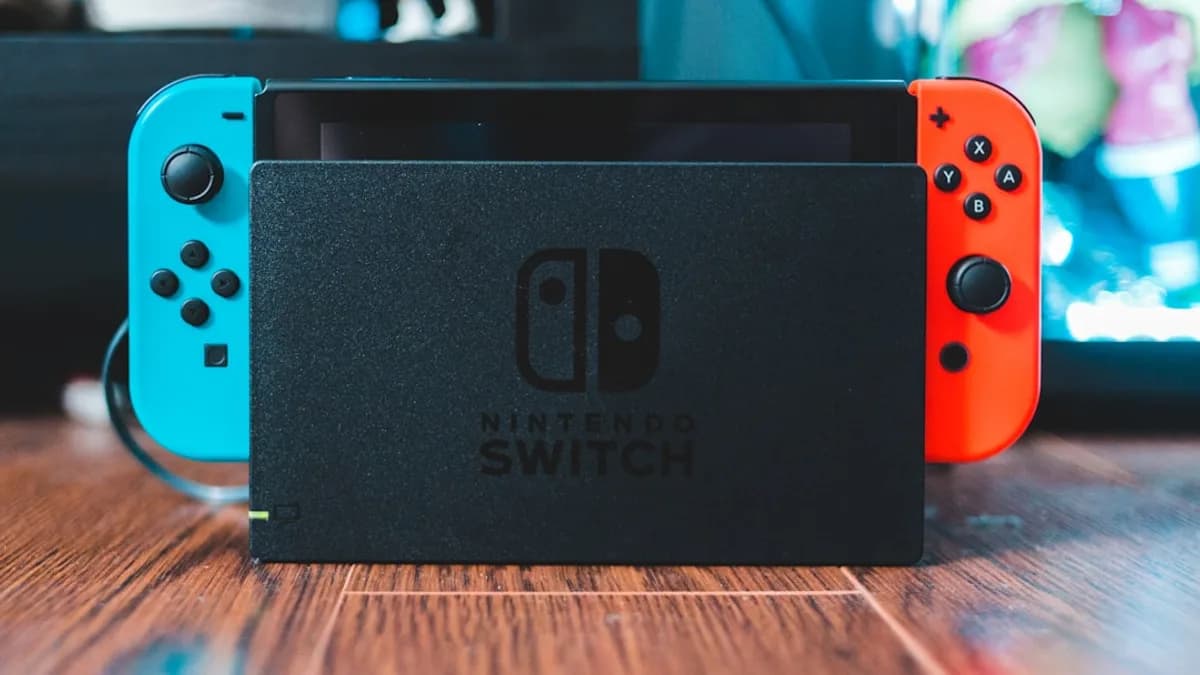
Nintendo is right to make would-be Switch 2 buyers in Japan prove they actually play Switch games before buying the multi-language model. That is not anti-consumer theater. It is targeted friction aimed at the exact version scalpers can flip across borders.
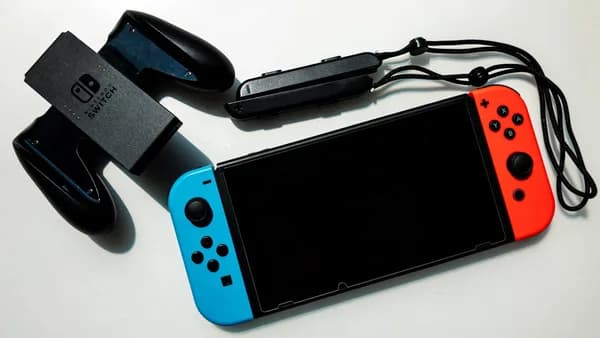
The new rule applies to the multi-language Nintendo Switch 2 sold through Nintendo’s Japanese online store, according to Notebookcheck. Buyers need a Nintendo Account with at least 50 hours of eligible playtime on the original Nintendo Switch by 11:59 PM on Sunday, May 31, 2026. Demos and free software do not count. Purchases are capped at one console per Nintendo Account.
That is a blunt test. It is also better than pretending scalpers are just another category of customer.
Nintendo’s Switch 2 playtime rule is the right kind of friction against scalpers
Nintendo’s policy attacks a specific abuse pattern: buy the Japanese multi-language model, exploit regional pricing, then resell the hardware where buyers face higher costs or tighter access.
The key detail is the model. The rule does not cover the Japan-exclusive Switch 2, which displays only Japanese text and characters. Notebookcheck reports that scalpers generally have not targeted that version for resale. They have focused on the multi-language console because it travels better.
That distinction matters. Nintendo is not walling off every Japanese buyer. It is tightening the lane most useful to arbitrage.
“Regarding the sale of the Nintendo Switch 2 (multi-language compatible) at the Nintendo Store, we identified multiple orders suspected of scalping and other such activities, so we temporarily suspended sales. Moving forward, in order to deliver the product to as many customers as possible, we will offer sales to customers who meet the following conditions. As of 11:59 PM on Sunday, May 31, 2026, the playtime on the Nintendo Switch must be 50 hours or more. * Excluding demo software and free software * The number of units that can be purchased is limited to one per Nintendo Account.”
That statement gives Nintendo’s case its strongest footing: this was not a speculative clampdown. The company says it found suspicious orders, suspended sales, and then imposed conditions.
The 50-hour Switch playtime requirement rewards real players over resale accounts
A 50-hour playtime requirement is not impossible to fake. But it is harder to fake at scale than a fresh account, a new payment method, or a shipping workaround.
That is the point. Scalping works when friction stays low. A resale operation can create accounts. It can route payments. It can recruit buyers. But forcing each purchasing account to show meaningful prior activity in paid or downloaded Switch games changes the math.
The one-console cap does the rest. A scalper who could place multiple orders through the official Nintendo Store now has to spread purchases across eligible accounts. Each account needs qualifying history. Each console requires more preparation.
This will not kill scalping. No single rule does. But it raises the cost of turning the Japanese store into a supply pipe for resale inventory.
For readers who track hardware scarcity and pricing pressure more broadly, MLXIO has covered separate buyer-pressure stories such as Fourth Thor Price Hike Puts AYN Buyers on the Clock. Nintendo’s case is different in the details, but the consumer problem rhymes: once buyers expect higher prices or limited availability, resellers gain oxygen.
Regional pricing turned the multi-language Switch 2 into a scalper target
The vulnerability here is baked into the product split.
| Switch 2 version in Japan | Language support | Scalper relevance from source material |
|---|---|---|
| Multi-language Nintendo Switch 2 | Multi-language compatible | Targeted because it is easier to resell outside Japan |
| Japan-exclusive Nintendo Switch 2 | Japanese text and characters only | Not covered by the new rule because scalpers generally do not target it |
Notebookcheck says opportunistic scalpers have been buying through the official Nintendo Store in Japan because the weaker yen makes importing the console cheaper than buying it in other regions. That is exactly where regional pricing breaks down.
Regional pricing can protect local affordability only if the discounted market is not harvested by resellers. Otherwise, the policy subsidizes arbitrage instead of players.
Nintendo’s canceled suspicious orders are the tell. The company is not merely worried that someone might exploit the price gap. It says it already identified orders suspected of scalping and related activity.
MLXIO has covered Japan-specific product decisions before, including Japan Keeps Casio’s $186 G-LIDE Surf Watch to Itself. That is a separate category of story. With Switch 2, the issue is not simply Japan getting a distinct product. It is that the export-friendly model became the obvious target.
A U.S. Switch 2 price increase makes anti-scalping enforcement even more urgent
Nintendo is making this move before a planned $50 U.S. price increase in September, which will bring the standard edition of the Nintendo Switch 2 to $499.99 in the United States.
That timing sharpens the incentive problem. When the official price rises in one market, gray-market sellers get a stronger pitch: buy now, buy imported, skip the line, avoid the higher sticker.
Nintendo cannot credibly raise prices while shrugging at resale chaos. If the company asks consumers to accept a higher official price, it has to protect primary-market access. Otherwise, the launch becomes a tax on patience.
The playtime rule is not generosity. It is inventory triage. But in a constrained launch, triage beats surrender.
The strongest criticism: Nintendo’s rule may punish new fans and returning players
The counterargument is serious. A 50-hour account history requirement can exclude legitimate customers.
A first-time Nintendo buyer will not qualify. A returning player who skipped the original Switch may not qualify. A family that played mostly on one shared account could have uneven eligibility. Someone who lost account access could be boxed out despite being a real customer.
There is also a deeper discomfort here. Account-based eligibility lets a platform holder decide who counts as a “real” buyer based on behavioral history. Even when the goal is defensible, the mechanism can feel arbitrary.
That is why Nintendo should not treat this as a complete solution. MLXIO’s view: if the company uses account history as a gate, it should publish clear eligibility definitions, explain the data being checked, and offer some path for legitimate edge cases. The source material does not say Nintendo has done that beyond the stated rules.
The rule is justified. It still needs guardrails.
Nintendo should make account-based console sales transparent before they become standard
If account history becomes a common launch-allocation tool, companies need to set rules before buyers are desperate.
Nintendo’s current standard is at least clear on the headline requirements:
- Playtime: At least 50 hours on the original Nintendo Switch.
- Eligibility cutoff: 11:59 PM on Sunday, May 31, 2026.
- Software limits: Demo software and free software do not count.
- Purchase cap: One unit per Nintendo Account.
- Scope: The rule applies to the multi-language model sold through Nintendo’s Japanese online store.
The next layer should be transparency. Nintendo should say how it handles disputed accounts, failed eligibility checks, and orders that look suspicious but may be legitimate. It should keep verification narrow. It should avoid turning a temporary anti-scalping filter into permanent customer ranking.
That prescription is editorial, not reported policy. But it follows from the risk Nintendo has created: once a company uses account behavior to ration hardware, buyers deserve to know the rules before they rearrange purchases around them.
Switch 2 buyers need protection from scalpers, not another resale lottery
The perfect anti-scalping system does not exist. The choice is between imperfect friction and a launch where resellers drain supply before ordinary buyers even reach checkout.
Nintendo chose friction. Good.
Now it has to execute cleanly. That means communicating the rules, enforcing the one-account limit, canceling suspicious orders consistently, and finding fairer access for legitimate buyers who do not fit the 50-hour profile.
The practical takeaway is simple: if you are trying to buy the multi-language Switch 2 through Nintendo’s Japanese store, account history now matters as much as money.
If Nintendo wants the Switch 2 launch to feel like a celebration, it must keep consoles in players’ hands, not scalpers’ warehouses.
Impact Analysis
- Nintendo is using account history to prioritize real players over resellers.
- The rule targets the model most useful for cross-border scalping without restricting all Japanese buyers.
- A one-console-per-account cap could help more customers access limited Switch 2 inventory.