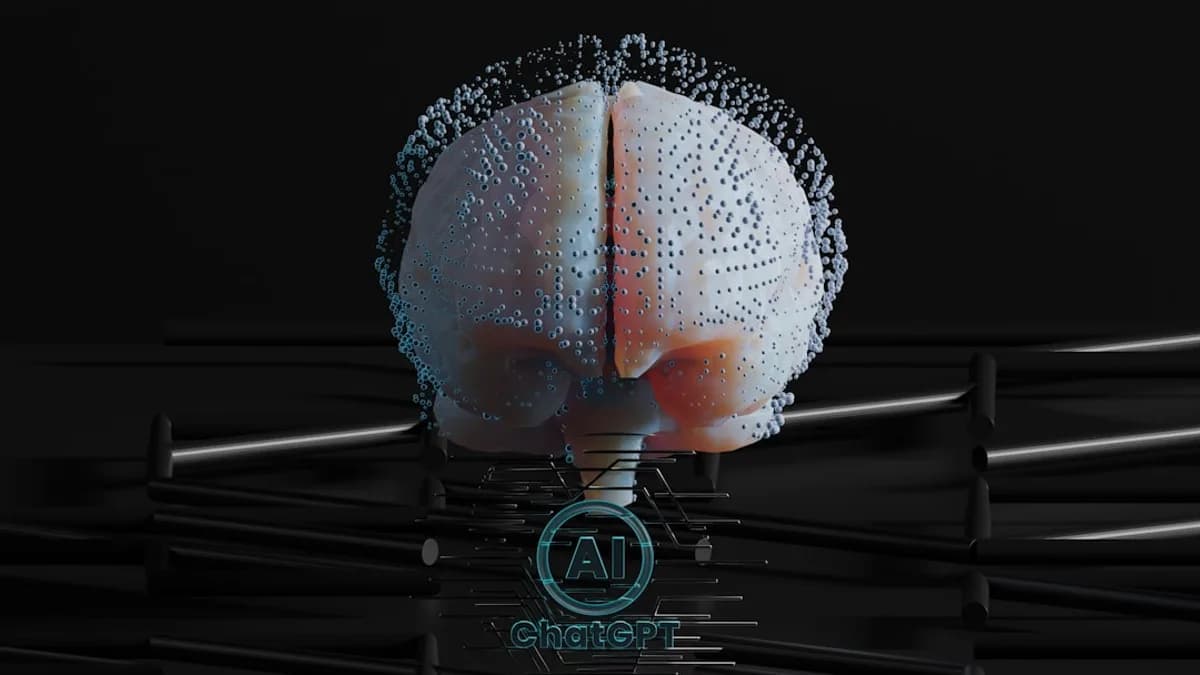
Introduction: The Promise and Hype of Neuralink
When Elon Musk first introduced Neuralink to the world, the vision was nothing short of science fiction: a future where humans could merge minds with artificial intelligence, attain superhuman abilities, and even communicate telepathically. Musk painted a picture of a technology that would not just restore lost neurological function but would ultimately enhance healthy brains, opening a new frontier for humanity. The public and media responded with a wave of excitement, fueled by Musk’s track record of disrupting industries and the allure of the brain-computer interface (BCI) revolution.
Neuralink’s early demonstrations—showing pigs and monkeys controlling cursors with their thoughts—caught the world’s attention. However, beneath the surface, the company has also faced ethical controversies over animal testing and a slow, incremental pace in human trials. Today, while Neuralink has achieved some successes with human subjects, it remains far from delivering on its most ambitious promises. The gap between hype and reality is widening, raising the question: Did Neuralink make the wrong bet by chasing a vision that current science cannot yet deliver? [Source: Source]
Understanding Neuralink’s Technology and Its Limitations
At its core, Neuralink’s technology is a brain-computer interface—a device that reads electrical signals from the brain and translates them into commands for a computer. The company’s flagship product, often showcased in public demonstrations, is essentially a “brain-to-cursor” interface. Tiny, flexible electrodes are surgically implanted into a subject’s brain, capturing neural activity and transmitting it wirelessly to an external computer. With training, users can learn to move a cursor on a screen simply by thinking about it.
While this is an impressive technical achievement, it falls far short of the “mind-meld with AI” that Neuralink’s marketing suggests. Translating the electrical chaos of the brain into meaningful, actionable commands is an enormous challenge. Current BCIs, including Neuralink’s, are limited to relatively simple tasks, such as moving a cursor or playing a basic video game. Decoding complex thoughts, emotions, or abstract ideas remains out of reach.
Moreover, Neuralink is not alone in the field. Academic and commercial labs have achieved similar or even more advanced results. For example, researchers at the University of Pittsburgh and Stanford have enabled paralyzed patients to control robotic arms with their thoughts, and companies like Synchron have developed less invasive BCI implants that thread through blood vessels rather than requiring open-brain surgery. These alternatives often prioritize safety and long-term viability over raw data bandwidth [Source: Source].
Neuralink’s focus on invasive, high-resolution brain implants offers potential advantages in signal clarity, but it also introduces greater risks and complications. The leap from “brain-to-cursor” to “mind-to-AI symbiosis” is vast and, for now, largely theoretical.
The Reality Behind Neuralink’s Animal Testing and Human Trials
Neuralink’s journey has been shadowed by controversy, particularly concerning its animal testing practices. Reports have surfaced describing a “grisly” record in monkeys, with some animals suffering severe complications, distress, or death following implant procedures. Critics—including animal rights groups and former employees—have accused the company of prioritizing speed and publicity over careful, ethical research [Source: Source].
While animal testing is a standard part of medical device development, Neuralink’s approach has drawn scrutiny due to the frequency and severity of adverse outcomes. The company has defended its practices as necessary for rapid innovation, but the fallout has contributed to a growing debate about the ethical boundaries of BCI research.
On the human front, Neuralink has reported some successes. In early 2024, the company announced that its first human subject was able to control a computer cursor using only his thoughts—a significant milestone for any BCI developer. However, progress has been slow and cautious, with only a handful of participants and limited published data. The technical and safety challenges of long-term brain implants remain unresolved, and setbacks such as device failures or infections could set the program back considerably.
These mixed results highlight the yawning gap between Neuralink’s public hype and the current scientific reality. The company’s timeline for revolutionary breakthroughs has repeatedly slipped, and the feasibility of its most ambitious goals—such as full AI integration or cognitive enhancement—remains highly uncertain. As Neuralink’s experience reveals, the path from laboratory demonstration to real-world application is often far longer and more complex than initial headlines suggest [Source: Source].
Why Neuralink’s Ambition Faces Scientific and Practical Barriers
The fundamental challenge for Neuralink is not just engineering, but neuroscience itself. Achieving seamless integration between the human brain and artificial intelligence requires far more than high-bandwidth data connections. It demands a deep understanding of how thoughts, memories, and intentions are encoded in neural circuits—an area where science is still in its infancy.
Hardware miniaturization is a major barrier. Neuralink’s implant is already among the smallest and most advanced, but it must become even less invasive, more durable, and biocompatible for long-term use. Signal accuracy is another issue: the brain’s electrical environment is noisy and ever-changing, making it difficult to reliably interpret the user’s intent. Over time, scar tissue can build up around electrodes, degrading performance and sometimes requiring surgical replacement [Source: Source].
Even if the hardware issues are solved, the software challenge is formidable. Current BCIs are essentially “one-way” devices—reading signals from a limited portion of the motor cortex and mapping them to simple commands. Decoding the full richness of human thought—language, emotion, creativity—would require recording from vast networks of neurons and interpreting patterns that are still poorly understood.
Musk’s promise of merging minds with AI glosses over these complexities. While it is tempting to imagine a future where humans and machines become one, the incremental nature of scientific progress means that such dreams remain speculative for the foreseeable future. Neuralink’s most advanced demonstrations, though impressive, are still many leaps away from the kind of cognitive enhancement or AI “symbiosis” that fuels its hype [Source: Source].
Broader Implications for the Future of Brain-Computer Interfaces
Neuralink’s experience offers valuable lessons for the entire BCI field. First, it demonstrates the slow, methodical pace required for genuine advances in neurotechnology. While bold visions can attract talent and capital, they also risk overselling what is scientifically or ethically possible in the near term.
The ethical and regulatory landscape for BCIs is only beginning to take shape. Questions about long-term safety, informed consent, data privacy, and the potential for misuse—either by corporations or governments—loom large. Neuralink’s animal testing controversies have already spurred calls for tighter oversight, and similar concerns are likely to arise as human trials expand [Source: Source].
Meanwhile, other players—both startups and academic labs—are pursuing a variety of approaches, from non-invasive EEG headsets to less intrusive implants. These efforts may ultimately yield safer and more broadly applicable technologies, even if they lack the headline-grabbing allure of Musk’s brain-AI fusion.
Above all, Neuralink’s story underscores the importance of managing public expectations. Revolutionary breakthroughs in neuroscience are possible, but they will require patience, rigor, and humility in the face of the brain’s staggering complexity.
Conclusion: Neuralink’s Journey—A Cautionary Tale of Ambition vs. Reality
Neuralink’s meteoric rise and turbulent journey serve as a cautionary tale about the dangers of letting ambition outpace reality. While the company has made real progress—advancing the state of BCI hardware and capturing the world’s imagination—it remains far from delivering on its most audacious promises. The gap between hype and achievement is a reminder that science is rarely as fast or straightforward as Silicon Valley optimism would suggest.
For Neuralink and the broader BCI field, the coming years will likely bring incremental improvements rather than revolutionary leaps. Success will require not only technological ingenuity but also ethical responsibility and a sober assessment of what is truly possible. As we watch this story unfold, it is crucial to balance visionary goals with the grounded realities of science and society [Source: Source].